



5 Things Every Conscious Woman Should Know Before Buying Sustainable Fashion
Not all sustainable fashion is slow fashion. And not all slow fashion is actually ethical. These distinctions matter, especially for the woman who has spent years buying from brands that used the right words without doing the right work. Here is what to actually look for before your next purchase, and why getting it right is cheaper, more beautiful, and more satisfying than buying well-intentioned fast fashion in organic cotton.
In this article
- What is the difference between sustainable and slow fashion?
- 5 things to know before you buy
- Is slow fashion actually worth the price?
- Where to start building a conscious wardrobe
- Frequently asked questions
What is the difference between sustainable fashion and slow fashion?
Sustainable fashion is a category. Slow fashion is a practice. Sustainable fashion can include any brand using recycled materials, organic fibres, or carbon-offset programmes, whether they are producing 5 garments a year or 5,000. Slow fashion means deliberately fewer pieces, made more carefully, designed to last and to age with the person wearing them.
A brand can be certified organic and still produce too much, too fast, with too little care for the artisans making the pieces. The conscious woman has learned to ask two questions: who made this, and how many did they make? The answers tell her more than any certification label.
What should every conscious woman know before buying slow fashion?
1. Provenance matters more than certification. Certifications are a floor, not a ceiling. A brand that shows you the studio, introduces you to the artisans, and explains the dye process is giving you more information than any label. Transparency is the signal.
2. Price-per-wear beats price-per-piece. A $270 linen set worn 200 times costs $1.35 per wear. A $45 fast-fashion dress worn 8 times costs $5.63 per wear. The slow fashion piece is almost always the more economical choice over three years. The challenge is the upfront number, which requires a different relationship with purchasing.
3. "Sustainable" has become a marketing term. Any brand can call itself sustainable. The question is whether the claim is specific. "Made in Bali by artisan families using OEKO-TEX certified linen and botanical dyes" is specific. "Committed to a sustainable future" is not.

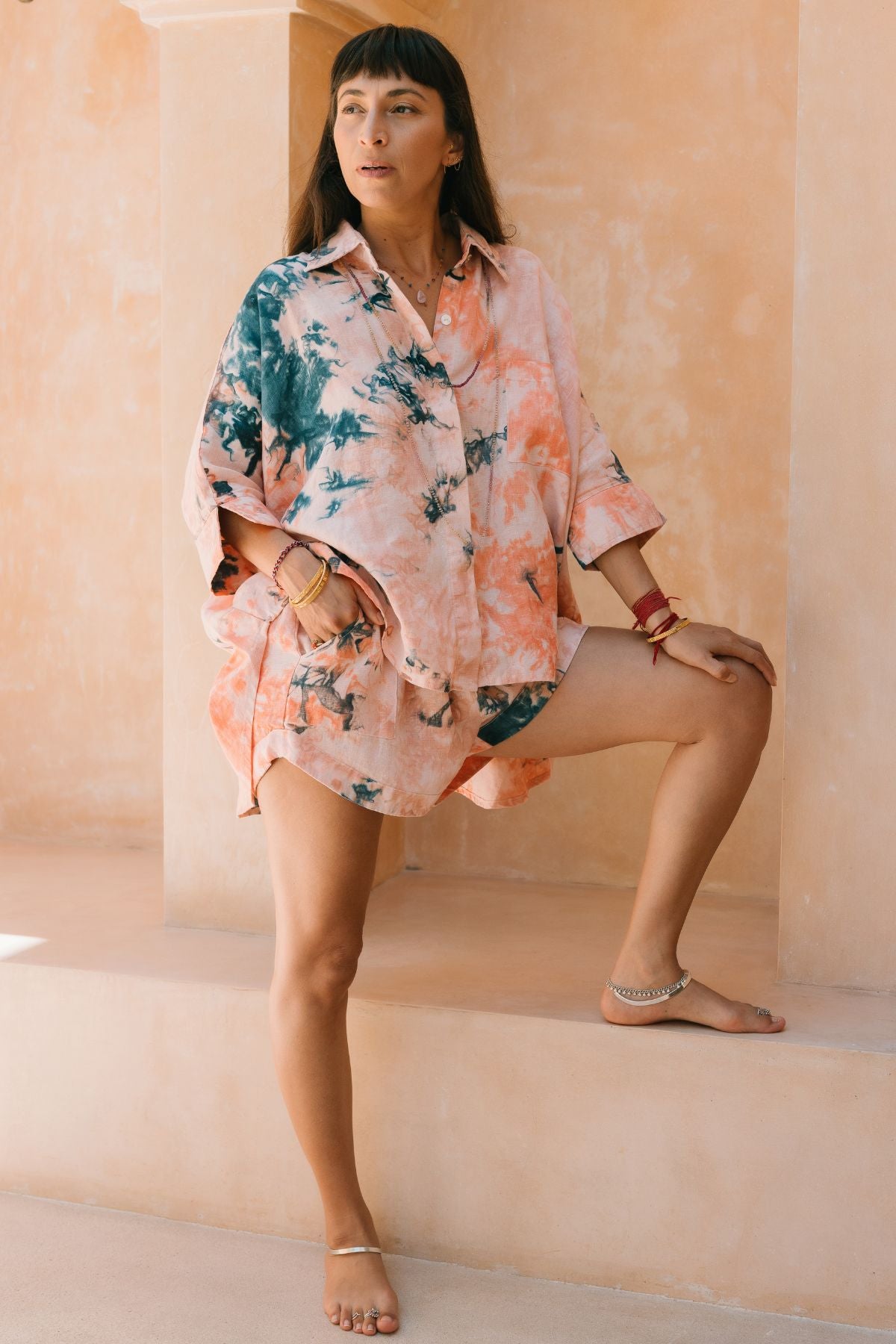
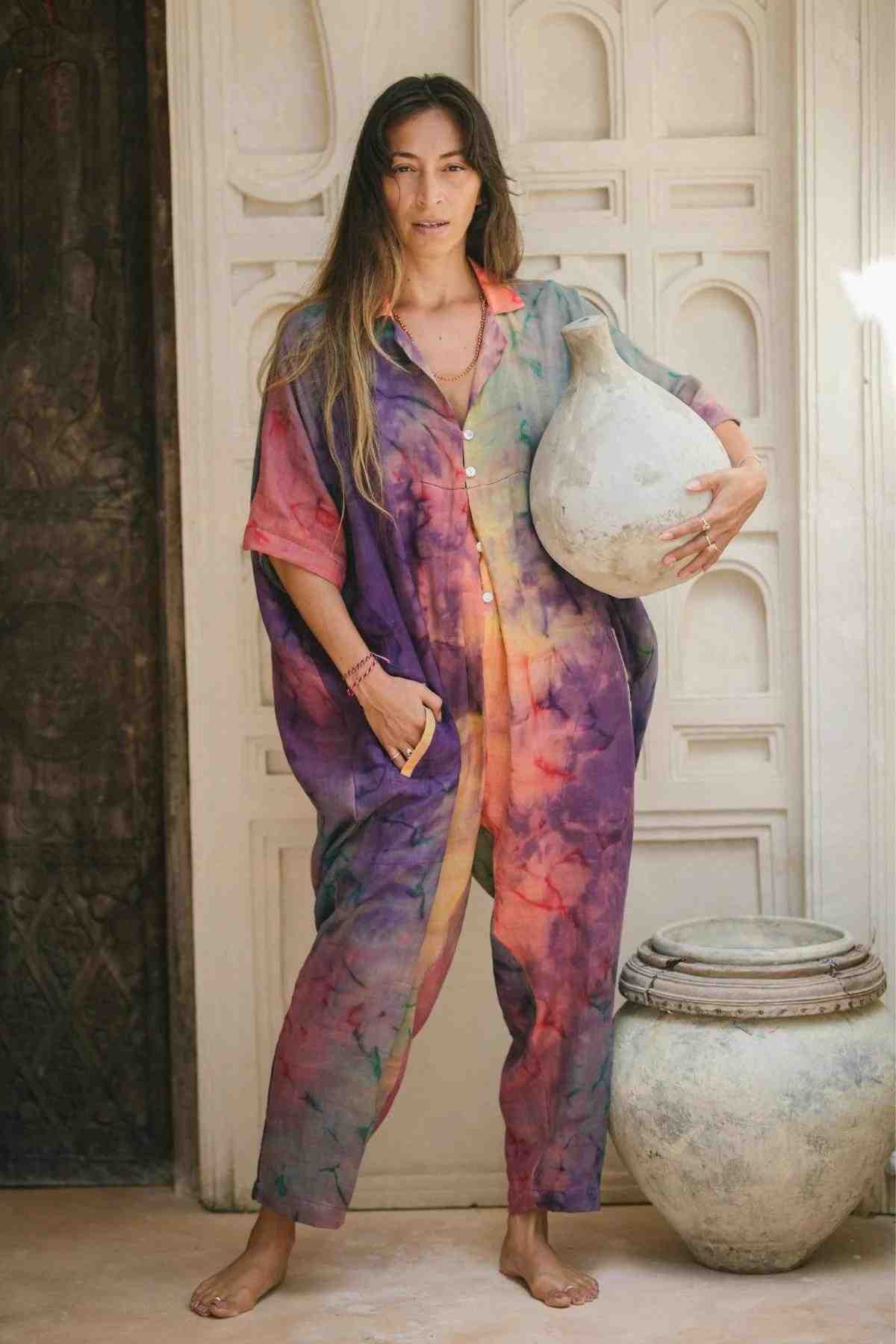
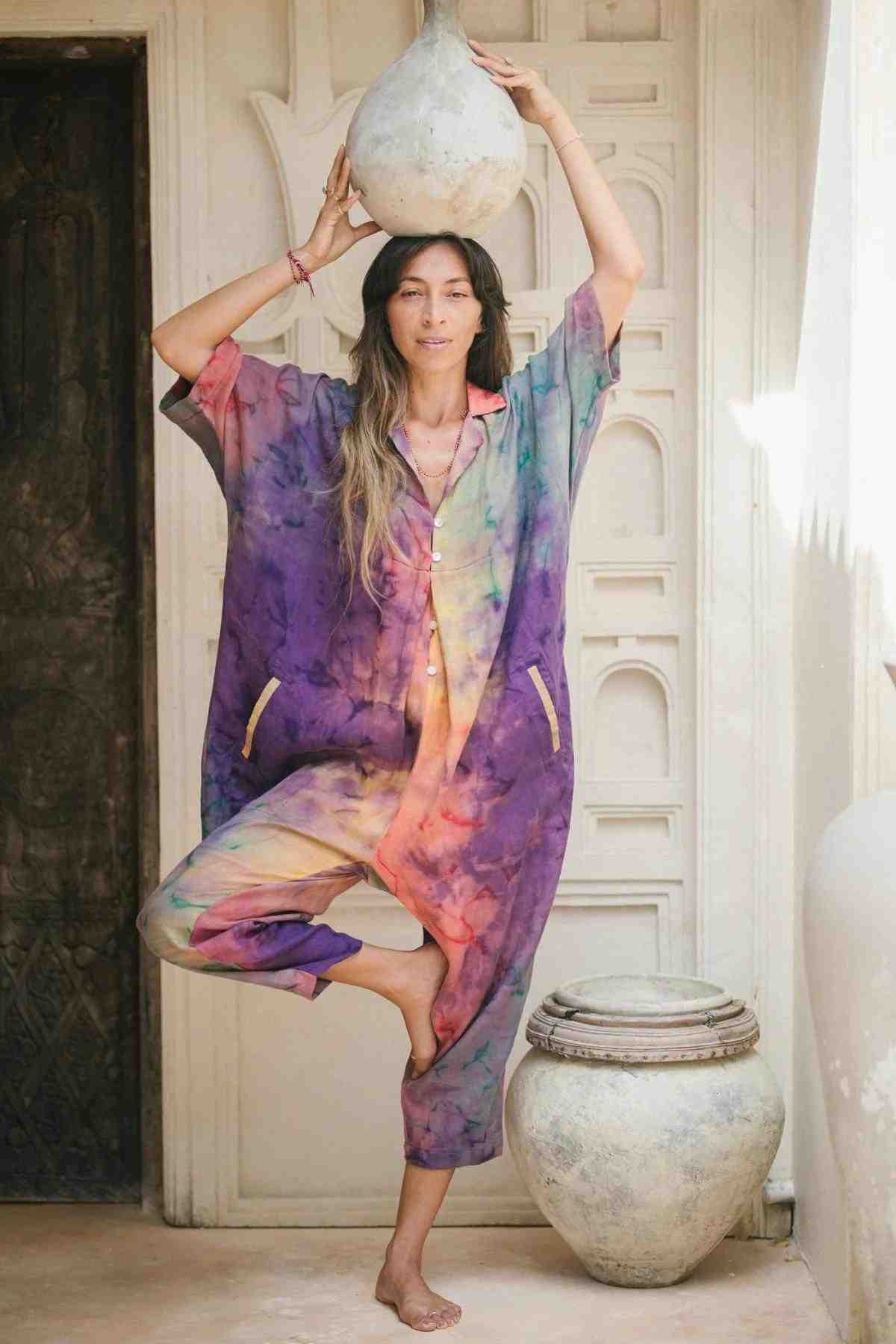
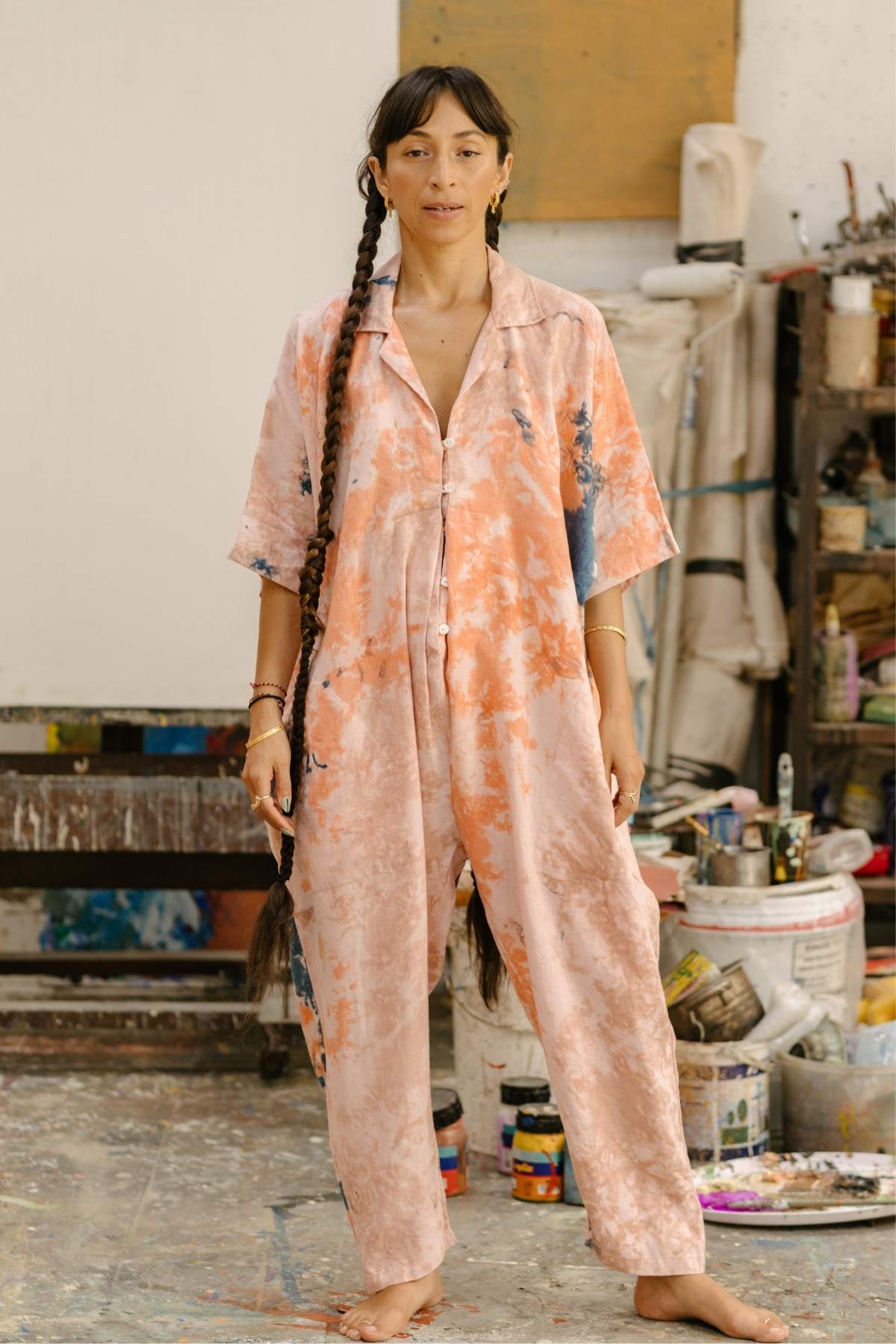
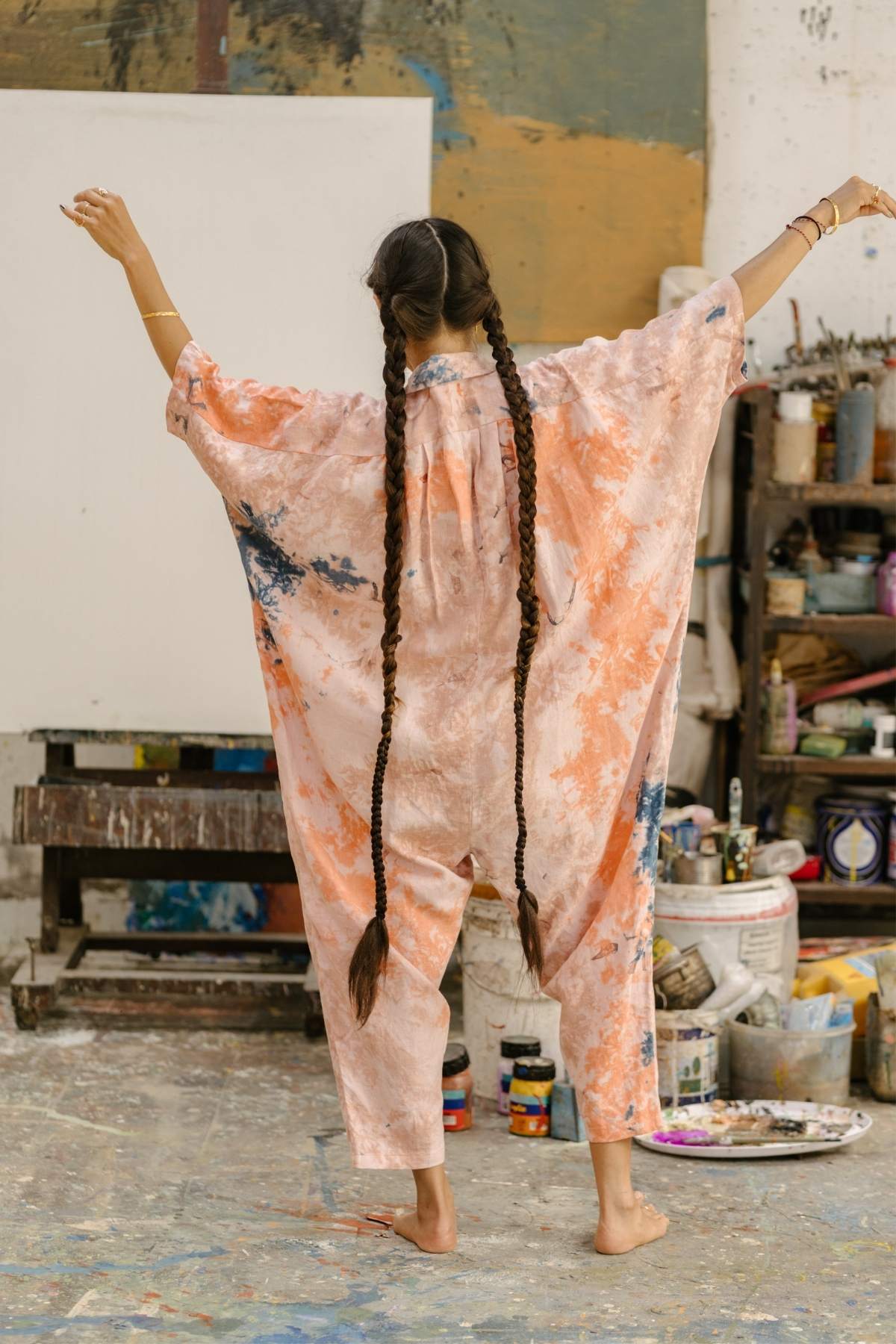
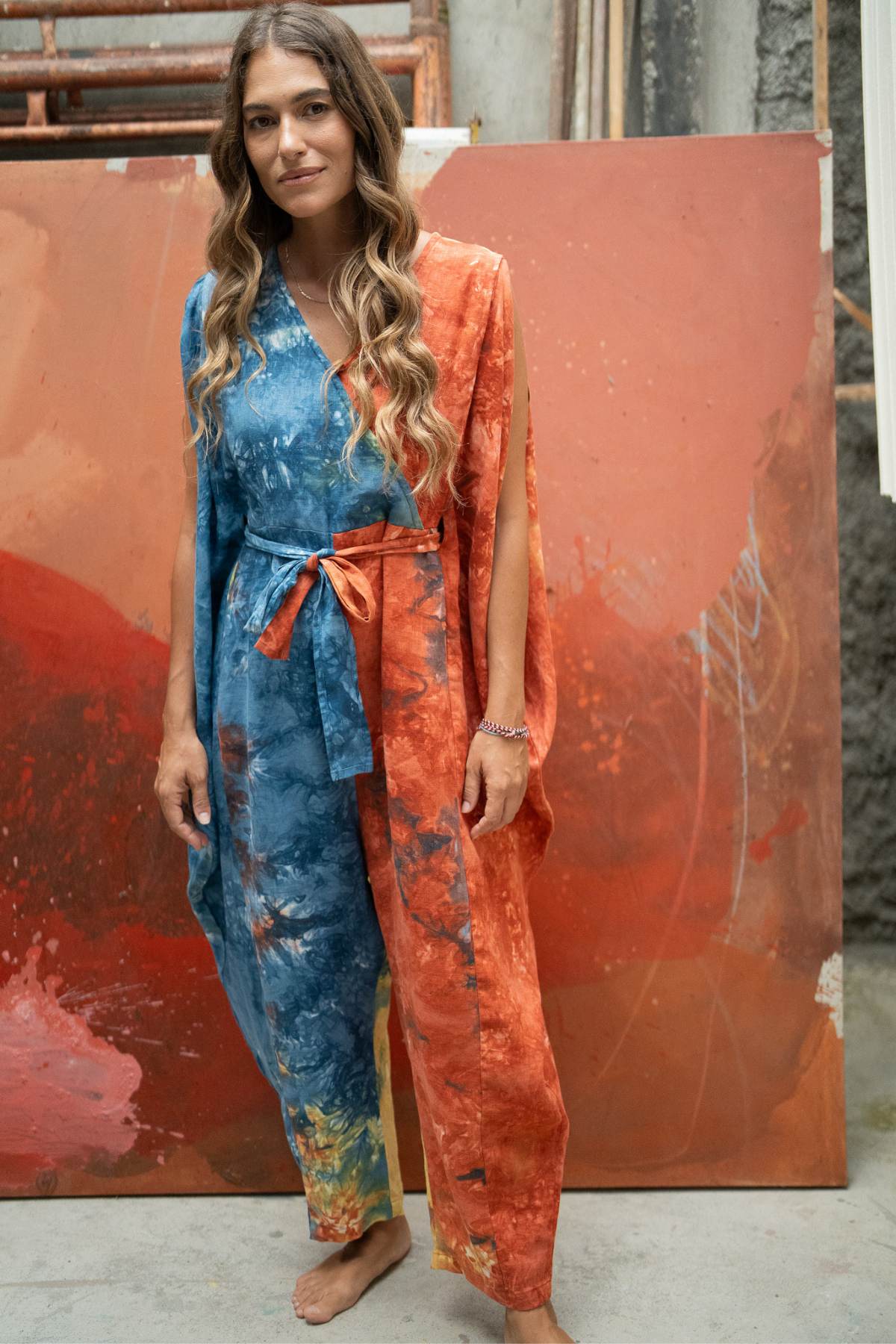
Botanically dyed over 5 to 7 days. The Nidra silhouette in Uluwatu Sunset and Golden Sunset, each colour built by hand, layer by layer.
4. The capsule wardrobe works better when you love every piece. A conscious wardrobe built from pieces you genuinely love gets worn. A conscious wardrobe built from dutiful purchases sits unworn with a clean conscience. The goal is not ethical ownership. It is wearing what you own, fully, until it ends its life naturally.
5. You cannot buy your way into a values-aligned wardrobe in one transaction. The shift from consuming to investing takes time. Begin with one extraordinary piece rather than six adequate ones. A single linen set worn twice a week for three years will do more for your relationship with clothing than a full capsule purchased on impulse.

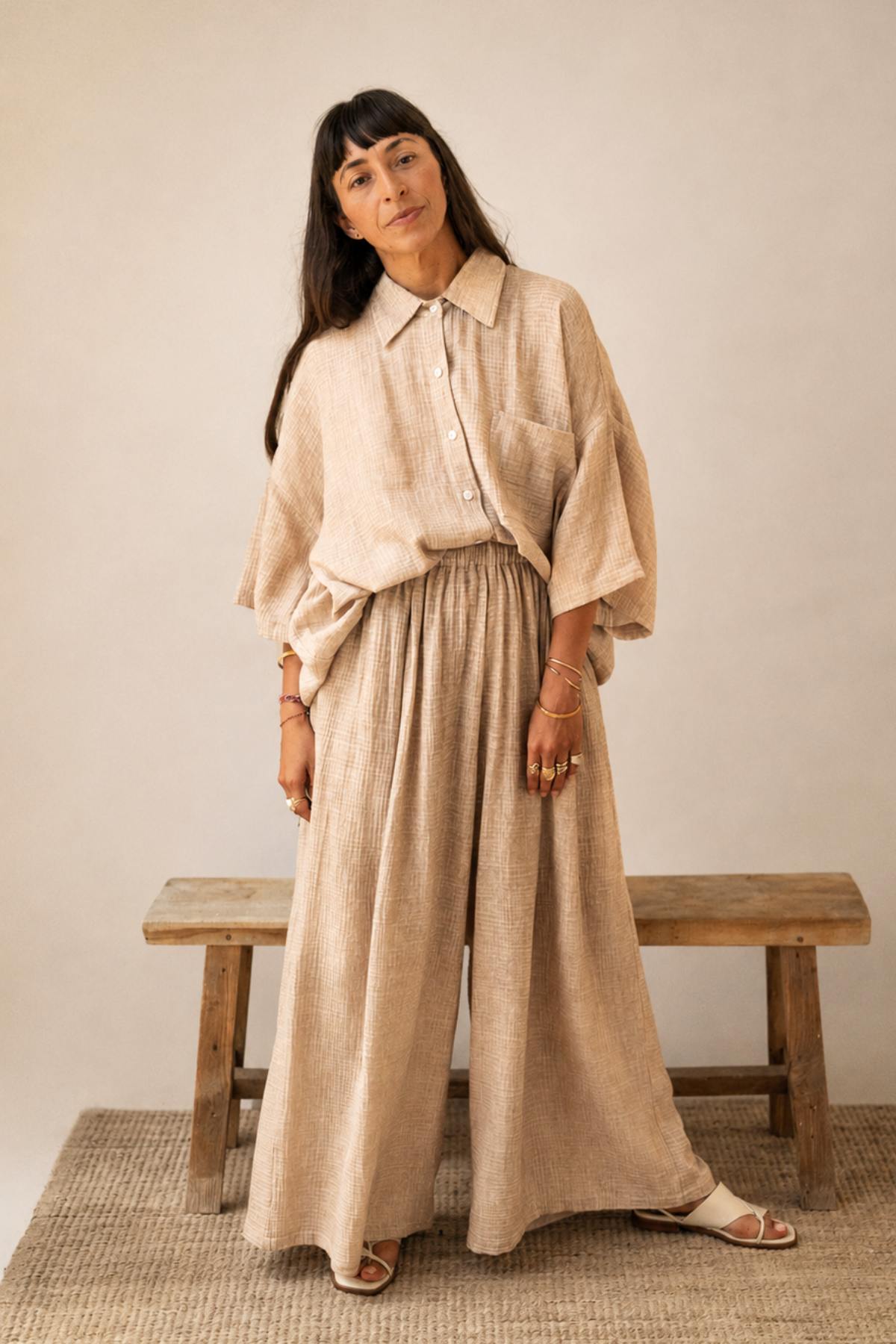
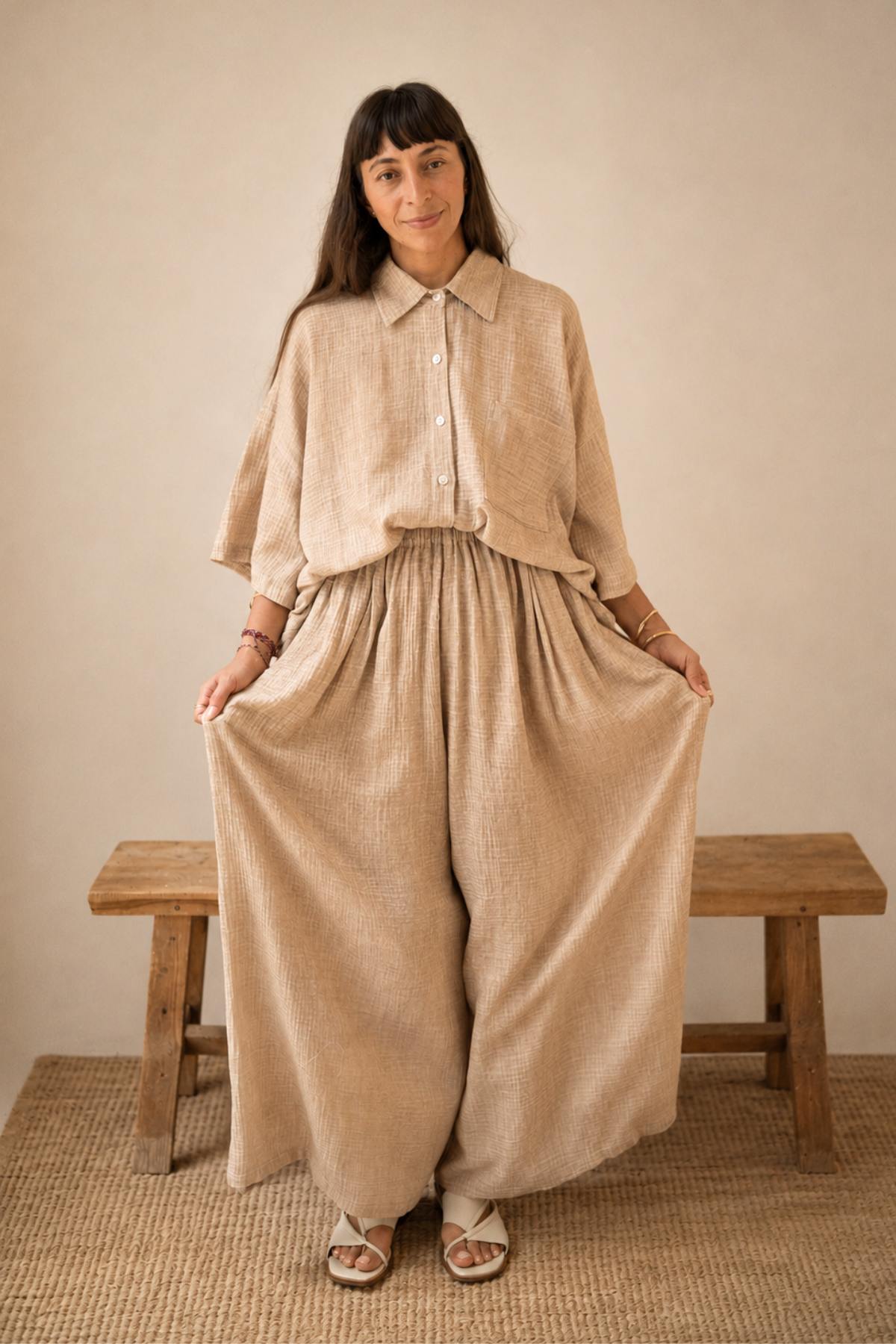
A warm gold linen set for the woman who moves between a meeting and a dinner without changing. Button-down top and matching shorts.
Is slow fashion actually worth the price?
Only if you wear it. The economics of slow fashion assume consistent use. A $298 linen gown worn 150 times over four years costs less per wearing than most fast fashion. It also ages well, which is not a guarantee with polyester blends masquerading as linen.
The pieces worth the investment are those that solve a real gap in how you dress: not aspirational pieces for occasions that do not exist in your life, but pieces that fit the actual texture of your days, the work-from-home morning, the weekend lunch, the dinner you would otherwise have nothing right to wear to.

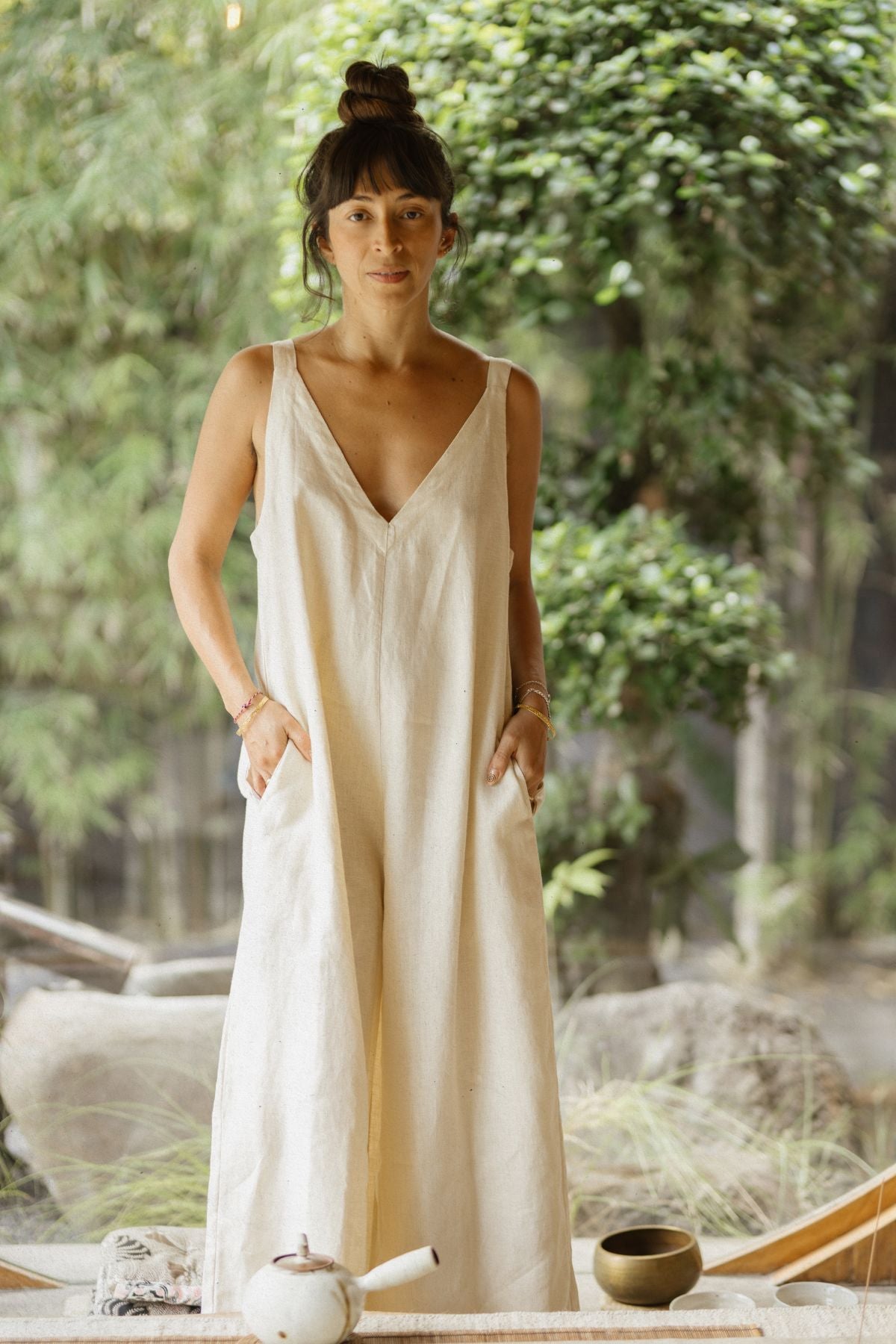
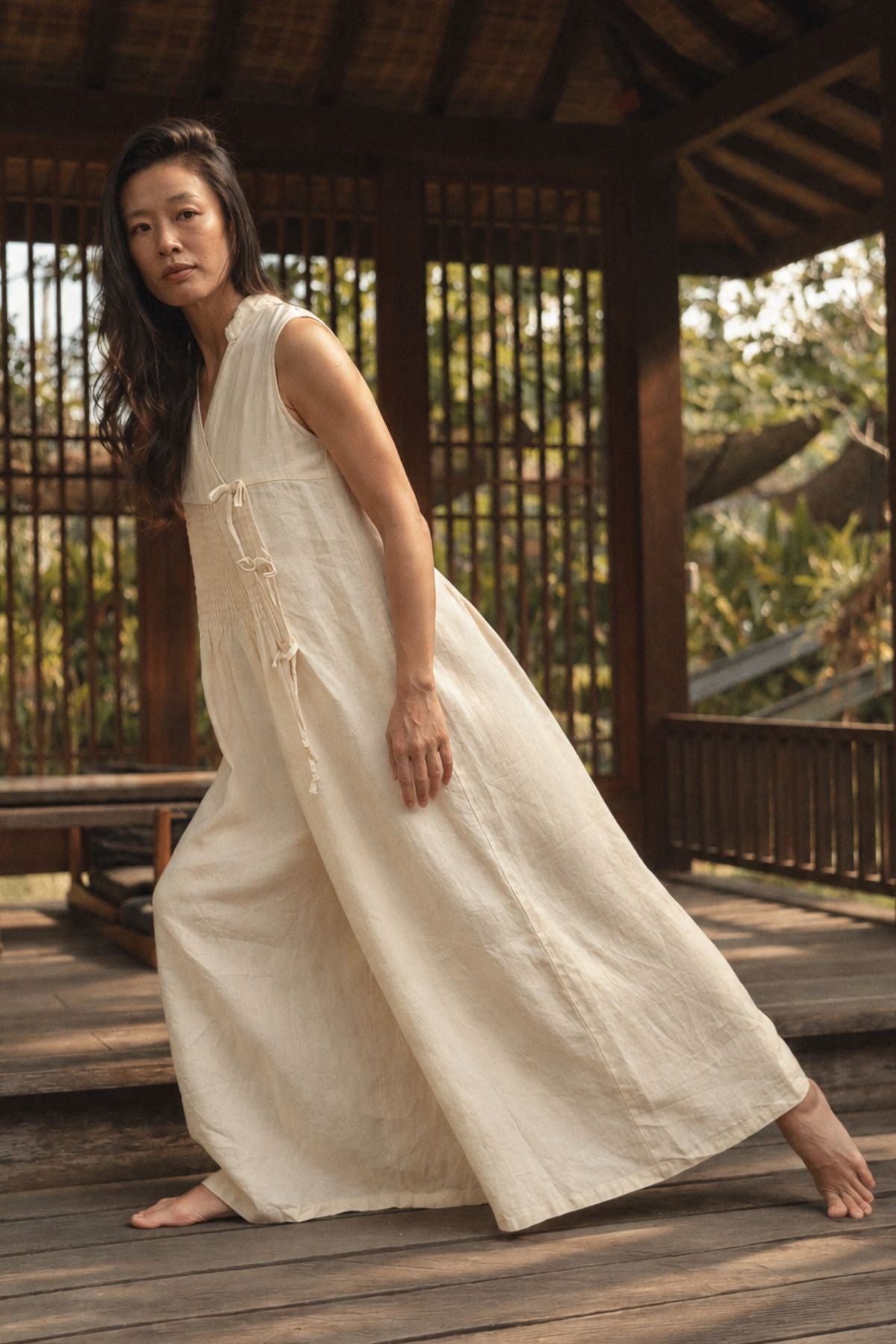
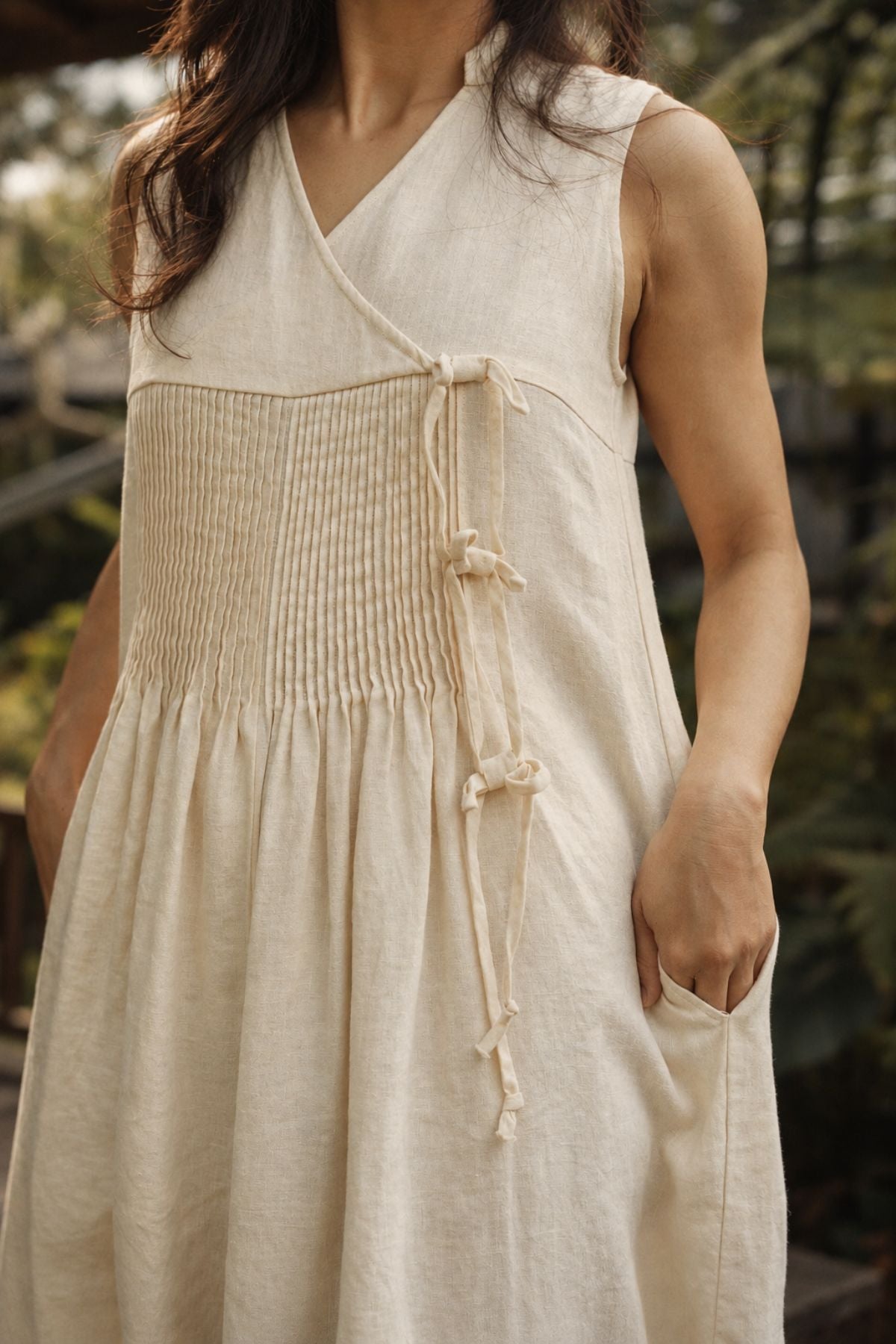
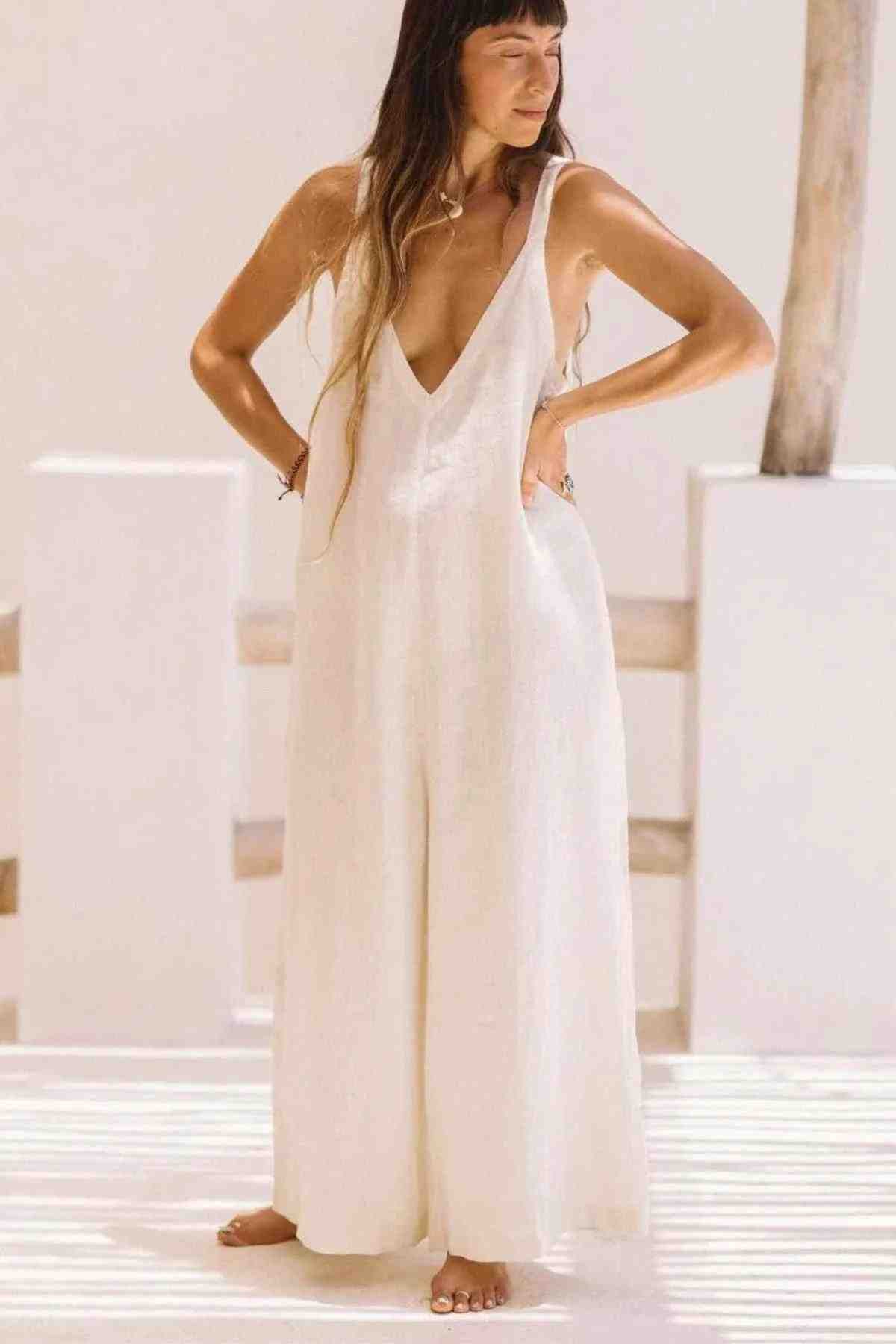
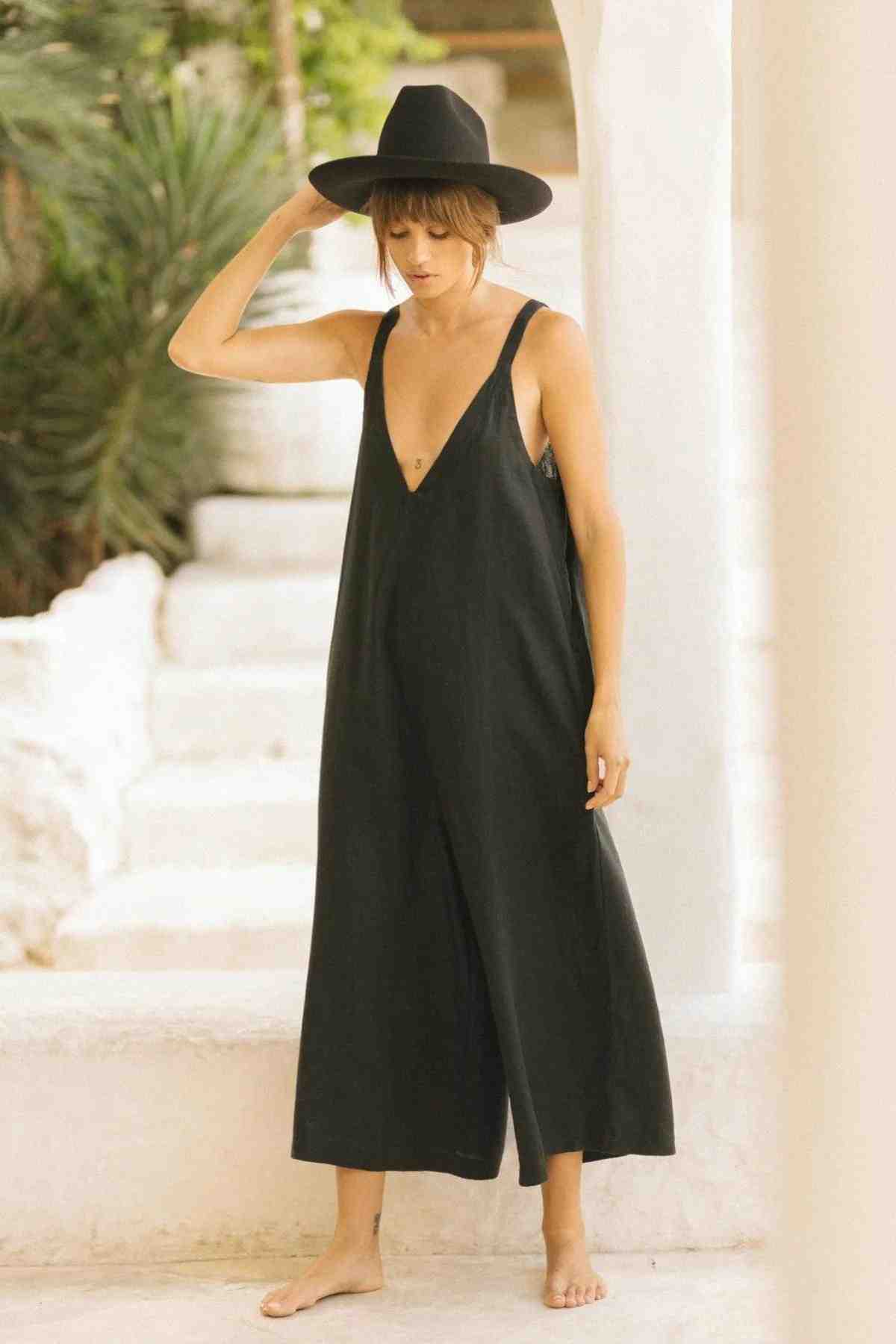
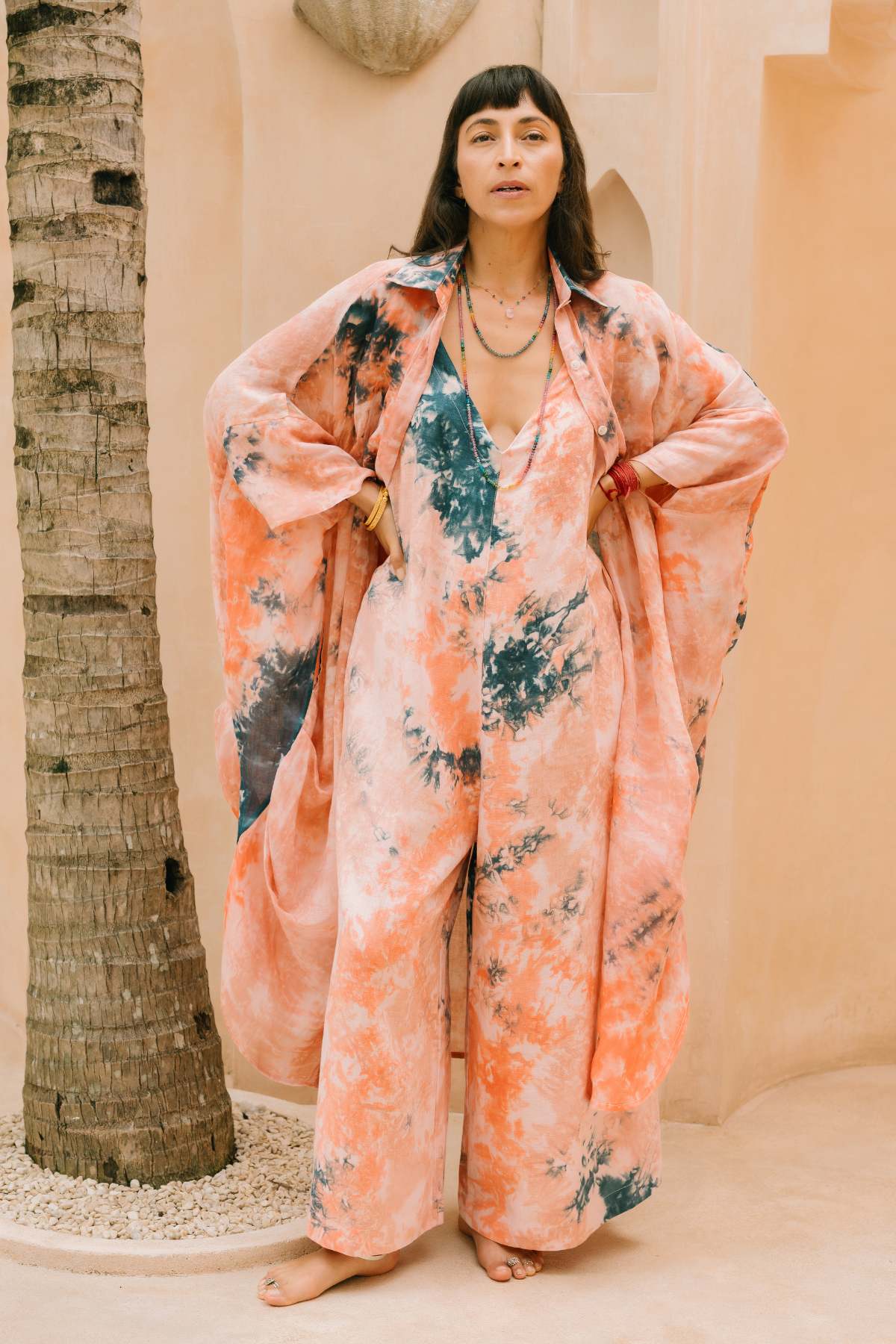
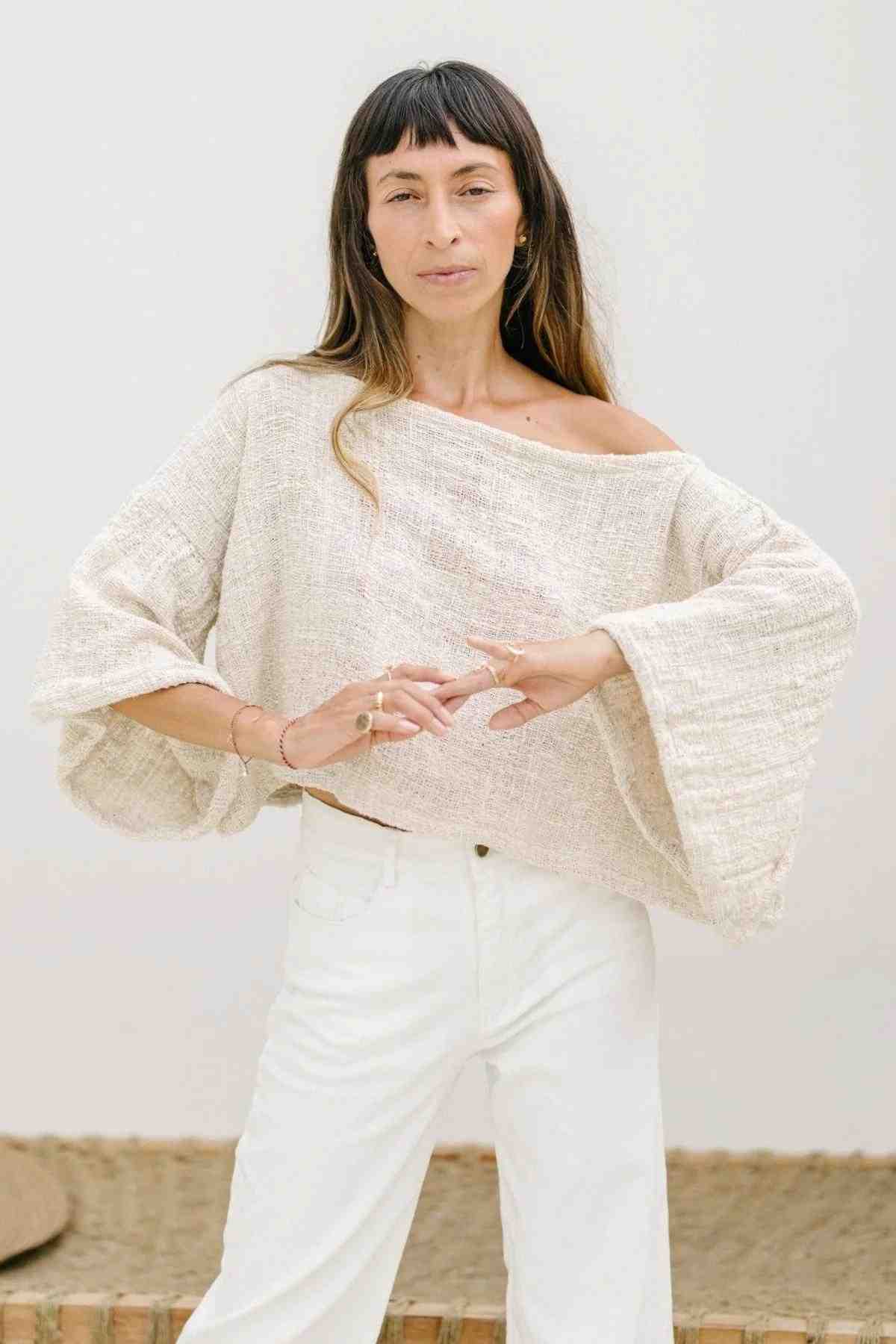
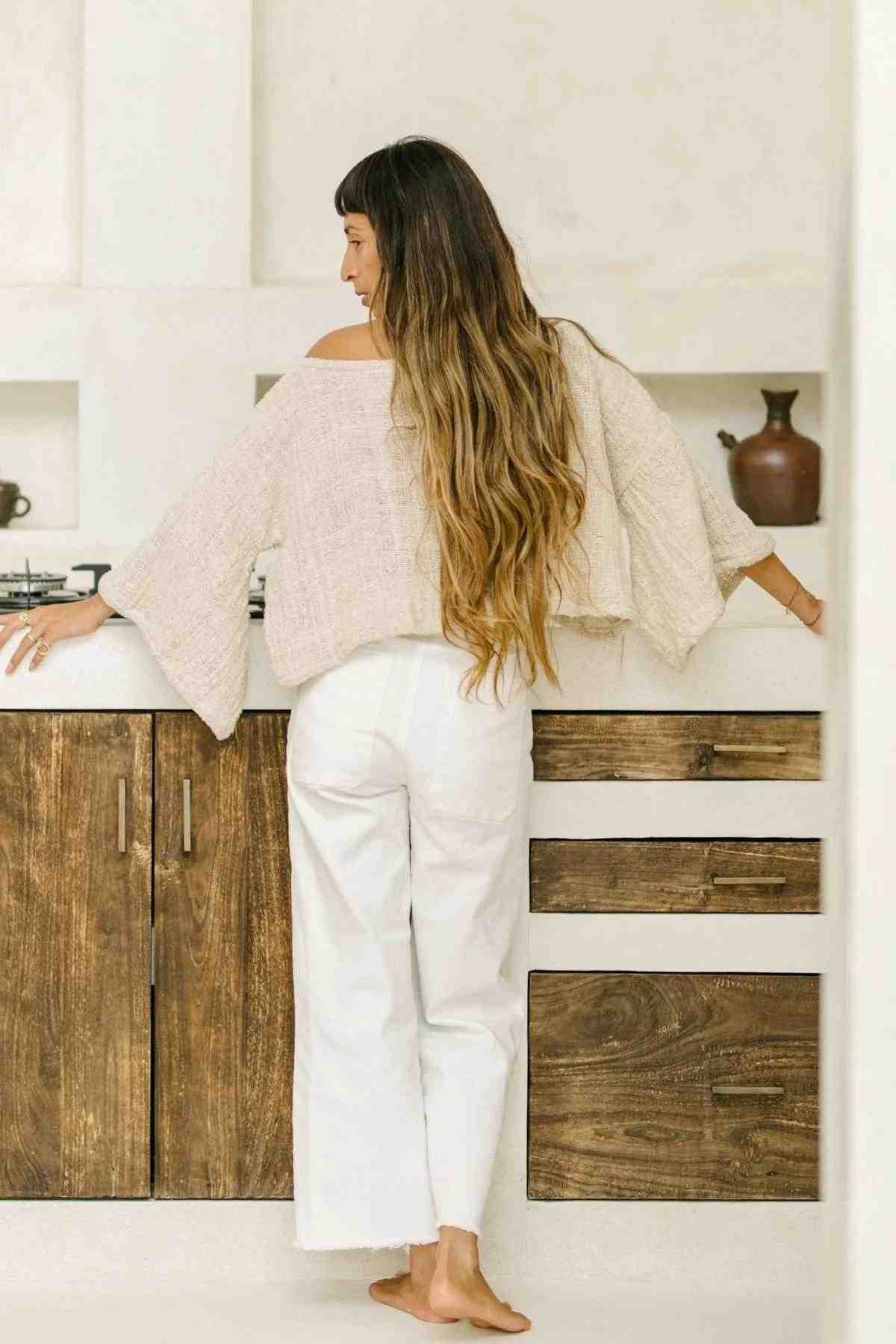
Full-length, open front, 100% stonewashed French linen, OEKO-TEX certified. In Beige, Forest Green, and Harvest Moon Red.
Where does a conscious woman start building a slow fashion wardrobe?
Start with the piece you would wear first. Not the piece that fills a gap, but the piece that makes you understand what this kind of clothing feels like. Once you have worn quality French linen for a week, the comparison with fast fashion is immediate and irreversible. The hand-feel, the drape, the way it behaves after washing: these are not abstract quality signals. They are things you feel every time you get dressed.
Frequently asked questions
How do I know if a slow fashion brand is actually ethical?
Look for specificity: named production location, named materials with certification, visible supply chain. If a brand cannot tell you where the garment was made and by whom, that is the answer.
What is OEKO-TEX certification?
OEKO-TEX Standard 100 certifies that every component of a textile, including threads, dyes, and accessories, has been tested for harmful substances. It does not certify labour conditions, but it does confirm the fabric itself is safe for skin contact and free of chemical residue.
Is linen better than organic cotton for the environment?
Linen uses significantly less water to grow than cotton, organic or otherwise. It is made from the flax plant, which can be grown without irrigation in most European climates. French linen is among the most sustainable natural fibres available.
Can slow fashion pieces work for professional environments?
Yes. The key is silhouette. A well-structured linen set in a neutral colourway reads as intentionally dressed in almost any professional context. The Nidra Button Down Set and the Suka Set are both worn regularly to meetings, dinners, and events by women who do not want to change between their professional and personal lives.
Begin your conscious wardrobe
One piece. Made by hand. Designed to last.
Explore the Collection →Handcrafted in Bali. OEKO-TEX certified French linen.




Leave a comment
This site is protected by hCaptcha and the hCaptcha Privacy Policy and Terms of Service apply.