Slow Fashion Brands: Who Is Actually Doing It, and How to Check
There is a moment that happens to almost every woman who starts caring about where her clothes come from. She finds a brand that says all the right things, reads the whole about page, feels something settle, and then goes looking for one specific number and cannot find it anywhere. Not the fabric. Not the factory. Not the wage. Just beautiful photographs and the word conscious.

That gap is the whole problem with slow fashion brands right now. The language is free. Anyone can use it. What costs something is the answer underneath it, and almost nobody publishes the answer because almost nobody has one they would want printed.
So this is not another list of fifteen brands ranked by how nice their website looks. It is a list of what specific companies actually prove, what a maker looks for, and a test you can run on any brand in about five minutes, including this one.
What Slow Fashion Clothing Actually Means
Slow fashion is not a material and it is not a colour palette. It is a set of decisions about time. How long a garment takes to make, how long the person making it is given, how long the piece is designed to last, and how long the brand intends to keep selling it.
Fast fashion compresses all four. It runs fifty-two micro seasons a year, gives a sewer ninety seconds to finish a seam, builds to survive ten washes, and drops a style the moment it stops trending. Every part of that is a choice about time, and each one has a person at the end of it.
Slow fashion clothing makes the opposite choice at every point. That is the entire definition. We have written the longer version in what slow fashion is, and how to tell if a brand is really doing it, so what follows here is the part that guide does not cover: who is actually doing it, and what each one proves.
The Large Brands Worth Watching, and What Each One Proves
These are not small labels and most of them are not what we would call slow in the strict sense. They matter because each one has proved a single thing is possible at scale, and every proof makes it harder for the rest of the industry to claim it cannot be done.
Patagonia, on repair
Patagonia runs one of the largest garment repair operations in the world and will fix a jacket you bought a decade ago. It also resells used pieces through its own store rather than letting the resale value go to someone else. The proof here is that a company can make more money keeping a garment alive than replacing it, which the rest of the industry has spent fifty years insisting is impossible.
Eileen Fisher, on what happens next
Eileen Fisher takes its own garments back, cleans them, resells what can be resold and remakes what cannot. The proof is circularity as an operating line rather than a pledge, and the fact that a brand can design a piece already knowing it will see it again.
Known Supply, on the person
Known Supply puts the name of the person who made the garment on the garment. You can look them up. The proof is that naming your makers is not a logistical impossibility, it is a decision, and any brand telling you it cannot be done has decided not to.
Kotn, on the top of the chain
Kotn works directly with cotton farmers in Egypt rather than buying finished fabric from a broker and hoping. The proof is that a brand can know its supply chain at the level of the field, which is where nearly all of fashion's worst practices actually live and where nearly no brand looks.
Pact, on price
Pact sells GOTS certified organic cotton basics at prices that do not require a decision. The proof is that organic and certified does not have to be a premium tier, at least in high-volume staples.
Everlane, on the limits of transparency
Everlane built its name on publishing factory information and cost breakdowns, and the proof there is real: customers will read that information if you give it to them. It is also the most useful cautionary case on this list, because transparency about a factory tells you the factory exists. It does not tell you what the hours are like inside it. Publishing a number is the beginning of accountability, not the end of it.
Notice what none of these companies can offer, whatever their scale. Not one of them can tell you the name of the family that made your specific garment, or what their week looked like while they made it. That is not a criticism. It is arithmetic. Past a certain size, that relationship is not available at any price.
The Five-Minute Test You Can Run on Anyone
Marketing language is designed to survive skimming. Specifics are not. Here is what to look for, in the order that filters fastest.
1. Look for a number, not an adjective. Search the site for a percentage, a wage, a count of makers, a certification with a name. If every claim is an adjective, that is the answer.
2. Read the composition tab, not the about page. The about page is written by marketing. The composition tab is written by whoever fills in the product data, and it is the most honest text on any fashion website.
3. Ask what happens when it wears out. Repair, take-back, resale, or silence. Silence means the business model needs you to buy another one.
4. Check whether the lead time is explained or apologised for. A brand that treats a three-week wait as a defect is a brand that would remove it if it could, which tells you what it would remove first.
5. Find out who made it. Not what country. Who. This is the question the fewest brands can answer and the one that correlates most strongly with everything else being true.
Running the Test on Ourselves
It would be dishonest to publish that list and not answer it, so here is our own homework, marked.
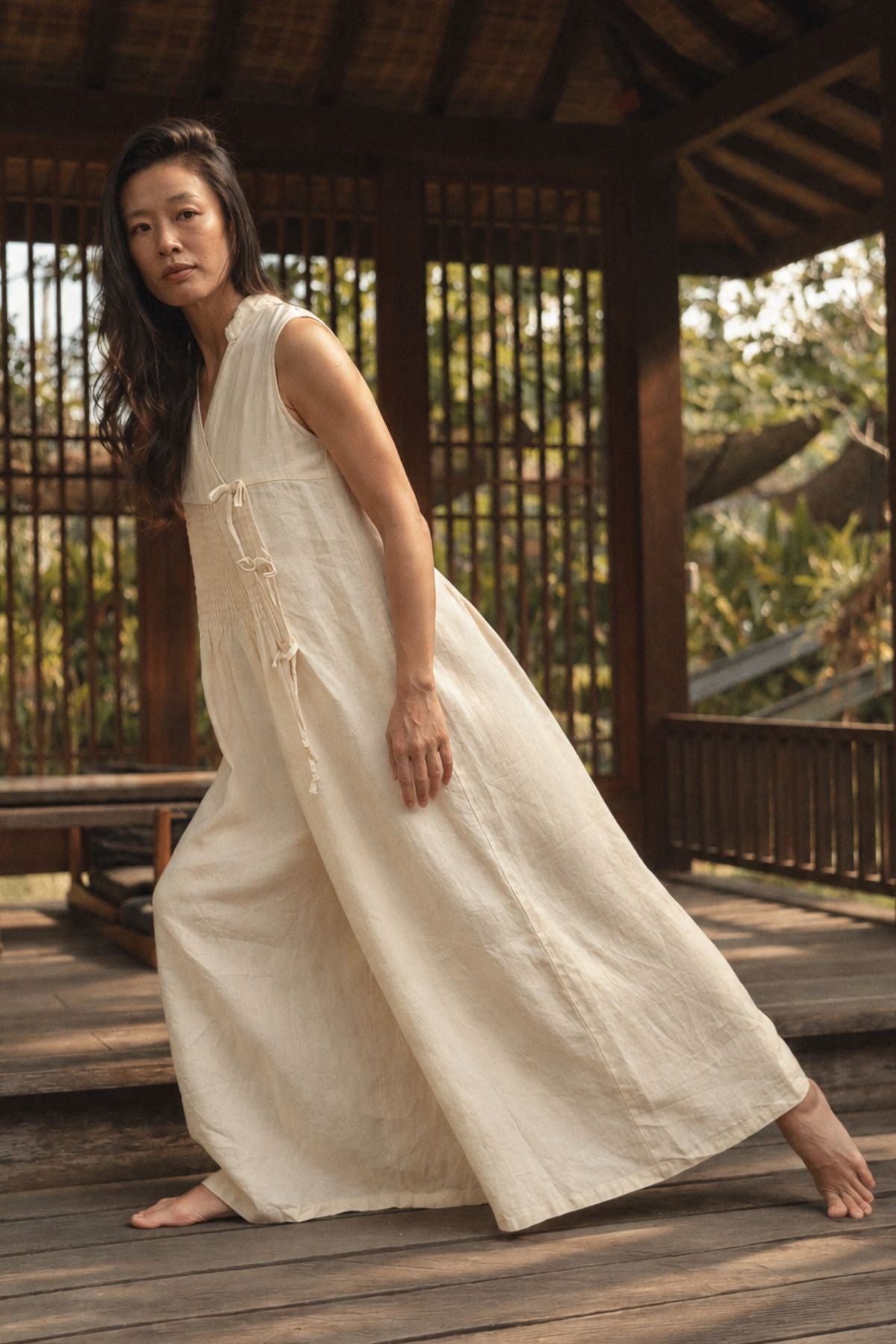
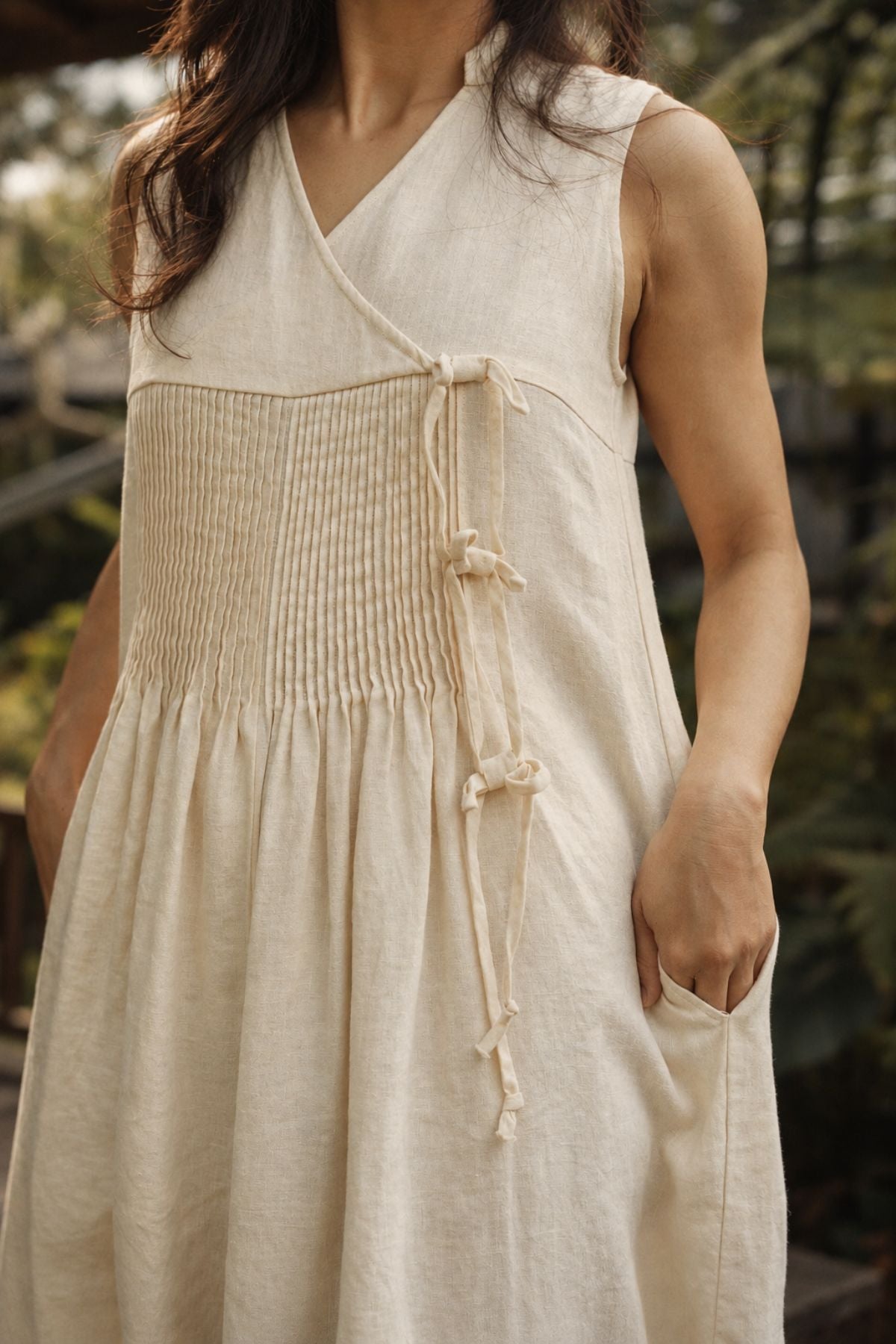
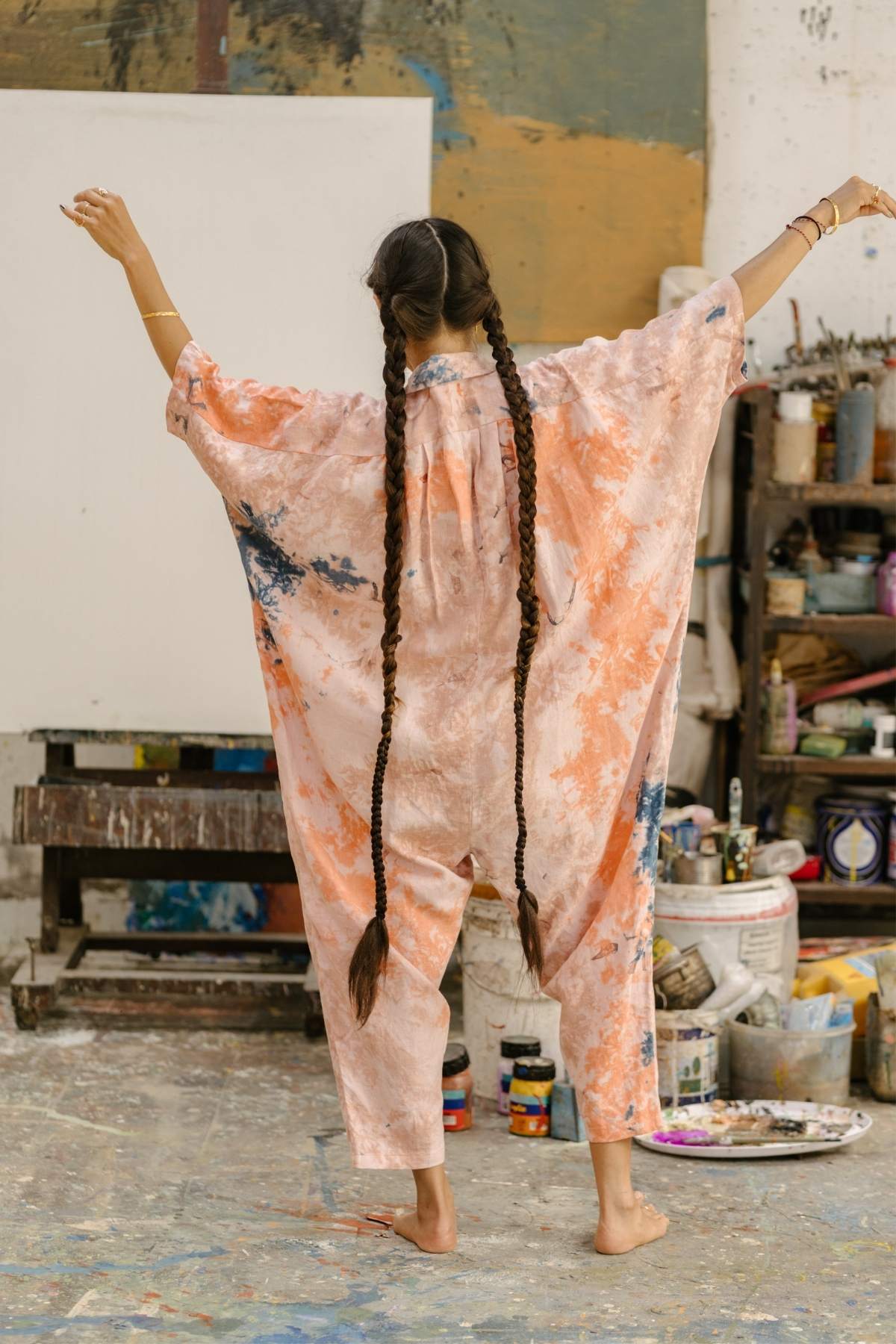
- Who makes it. Around thirty Balinese artisan families. About half work from their own homes, about half from small workshops the tailors own and run themselves. Not a factory, and not a supplier we found through an agent. You can meet several of them on the makers page.
- What they are paid. A living wage, not the local minimum, and paid directly rather than through a middleman who takes a cut on the way.
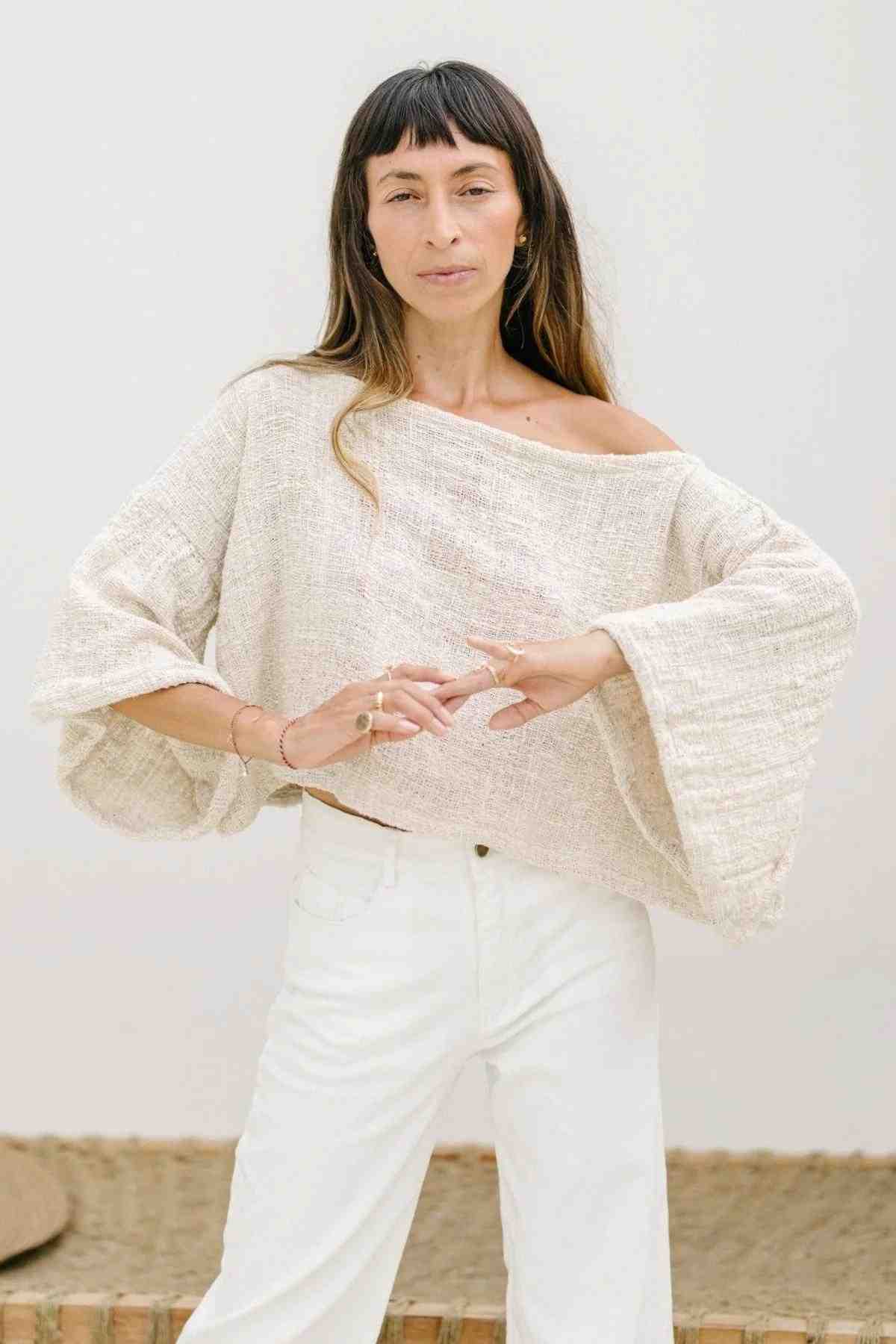
- What it is made of. Around 95% certified sustainably sourced linen and organic cotton. Our linen carries OEKO-TEX Standard 100, European Flax and Masters of Linen. Our silks are 100% silk, with viscose silk on rare occasion. A very small number of pieces use bamboo rayon, and our jeans are 95% organic cotton with 5% elastane so the waist holds its shape. We are moving to 100% natural and we are not there yet.
- What we do not hold. A full chain-of-custody certificate. That standard requires every sewing site to be certified individually as a facility, at a few thousand dollars each per year, and our sewing happens across thirty homes and small workshops. We could move it all into one certified factory and hold the mark within months. It would cost these families the way they work, so we have not.
- The lead time. A few weeks, because most pieces are made after you order them. We are not going to apologise for it.
The fourth point is the one we would rather not print. We publish it because a brand that only tells you the flattering half of its own audit has told you nothing you can use, and because the whole argument of this article is that the answer underneath the language is what counts.
What to Do With Any of This
You do not need to overhaul a wardrobe. The most useful version of this is much smaller: the next time you are about to buy something, run the five questions. It takes five minutes and you will not need to do it again on that brand.
What tends to happen is not that you buy better versions of the same volume. It is that you buy less, and the pieces you do buy stay. That is the actual mechanism behind slow fashion, and it has very little to do with any individual brand, ours included. It is a change in how you decide.
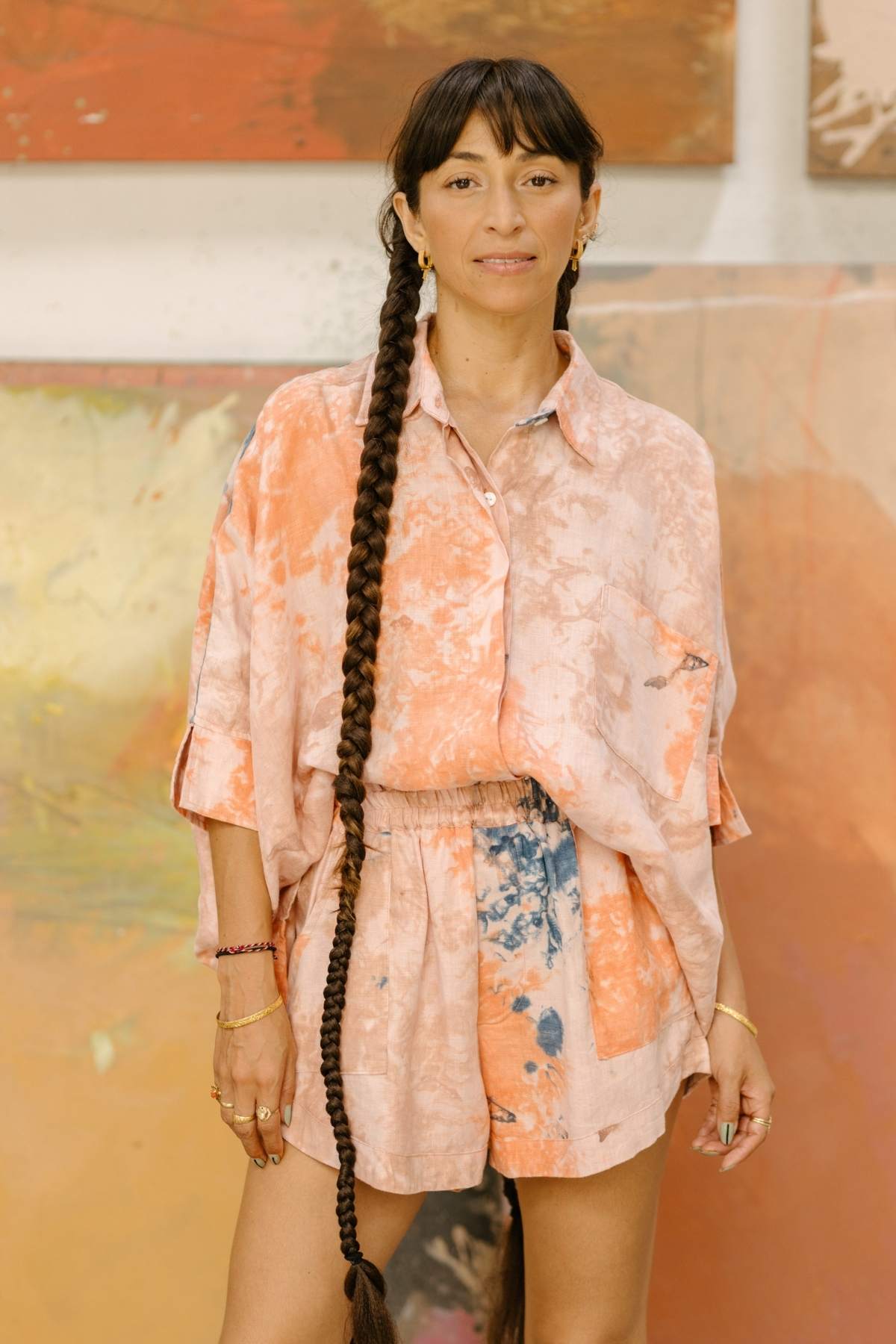
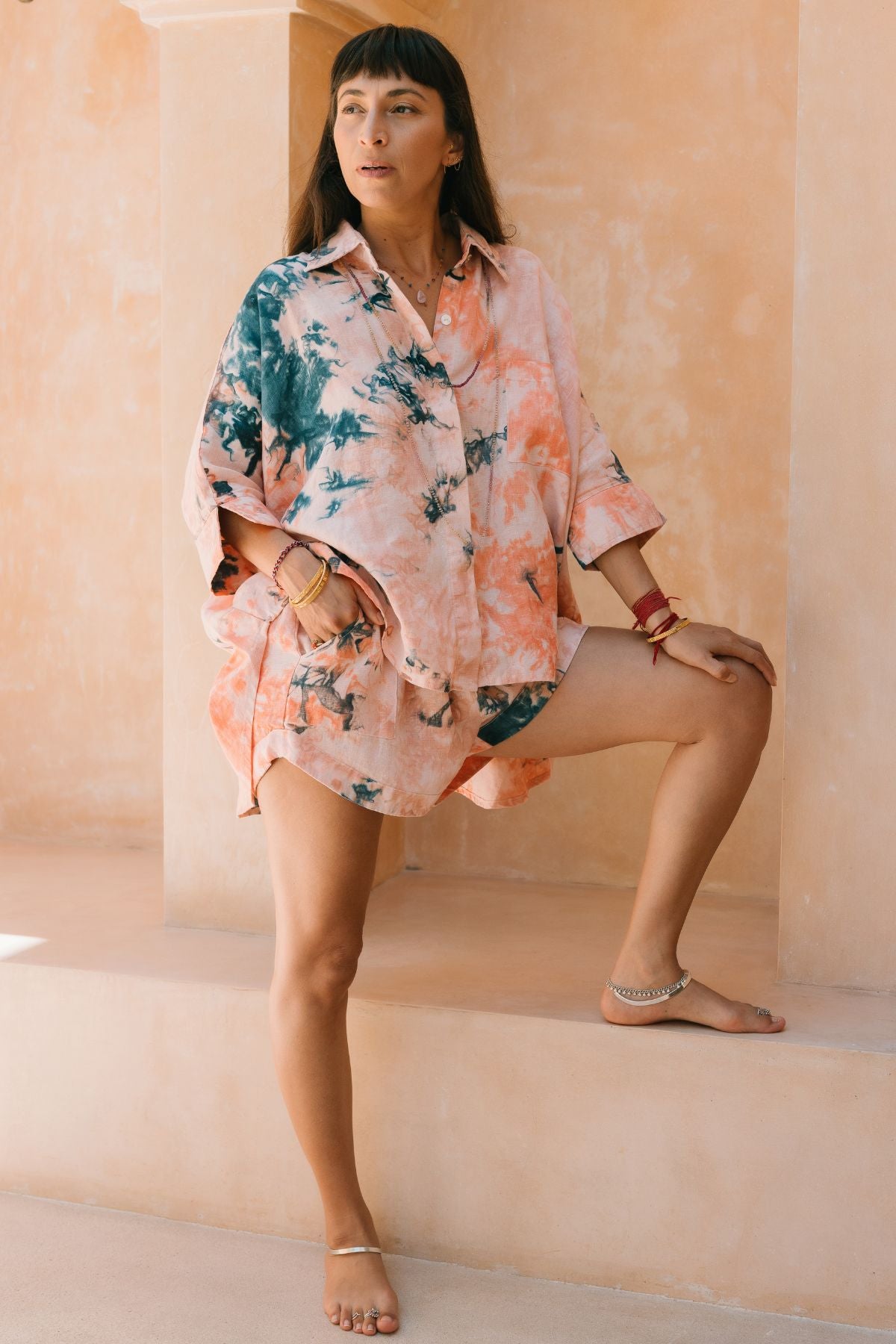
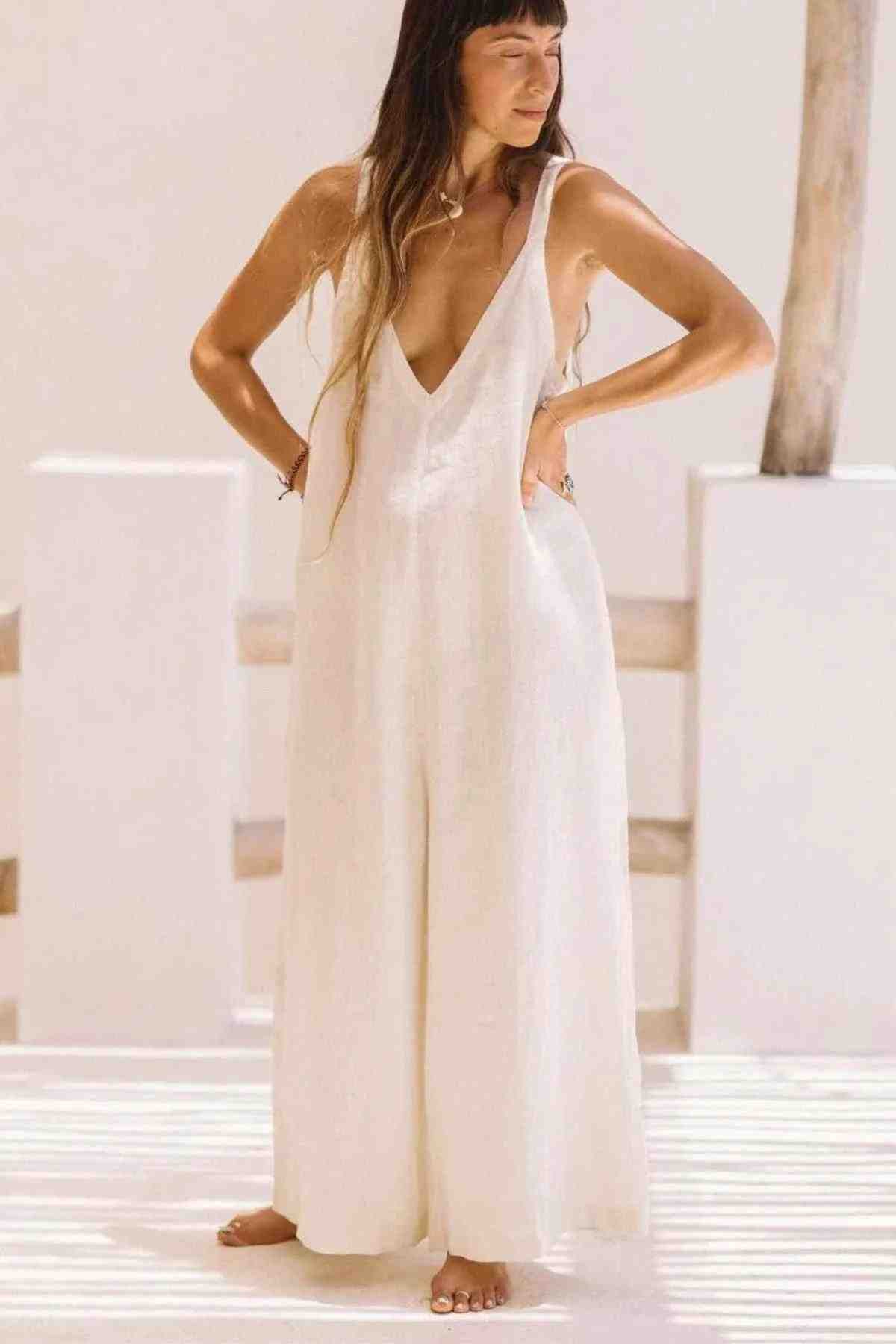
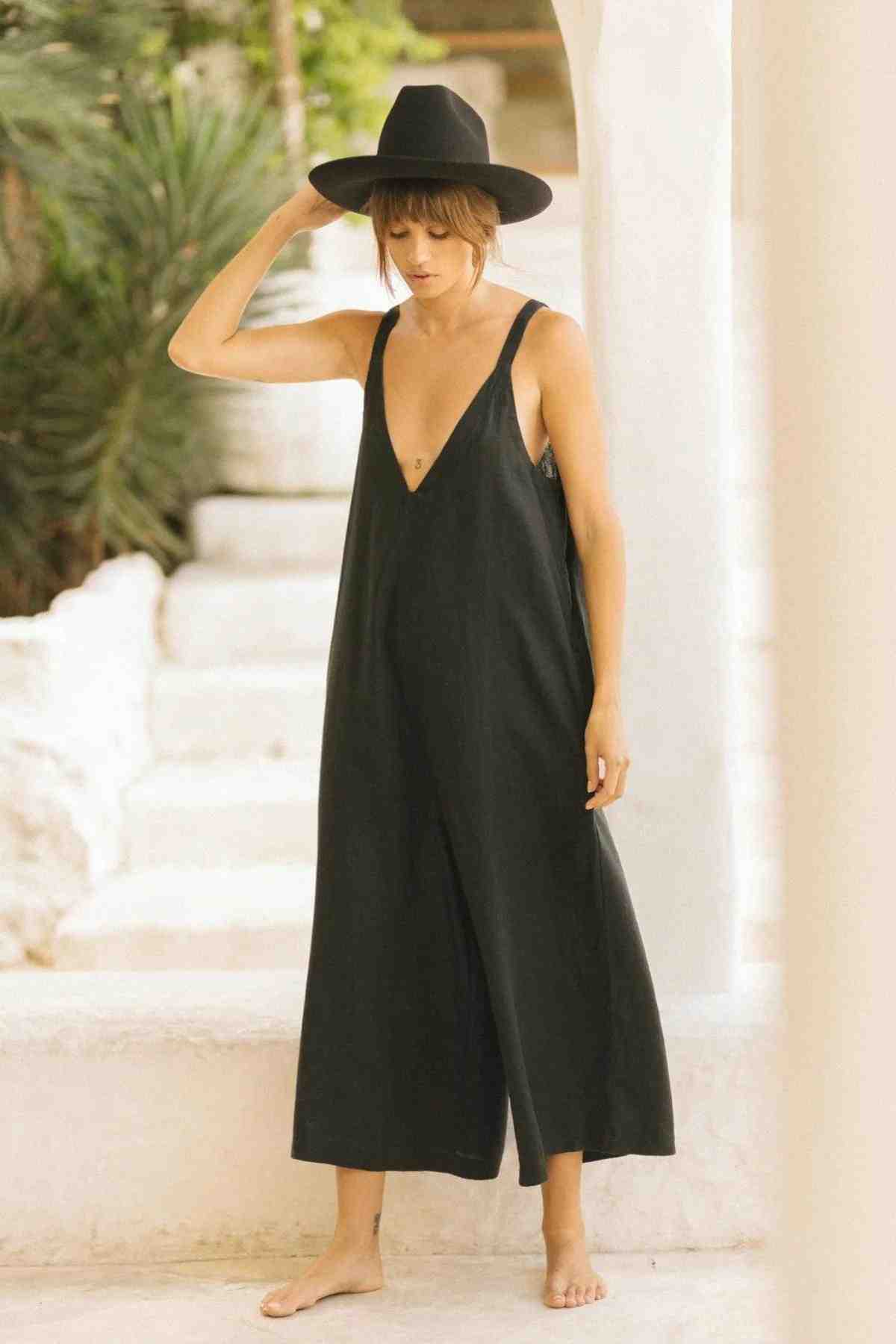
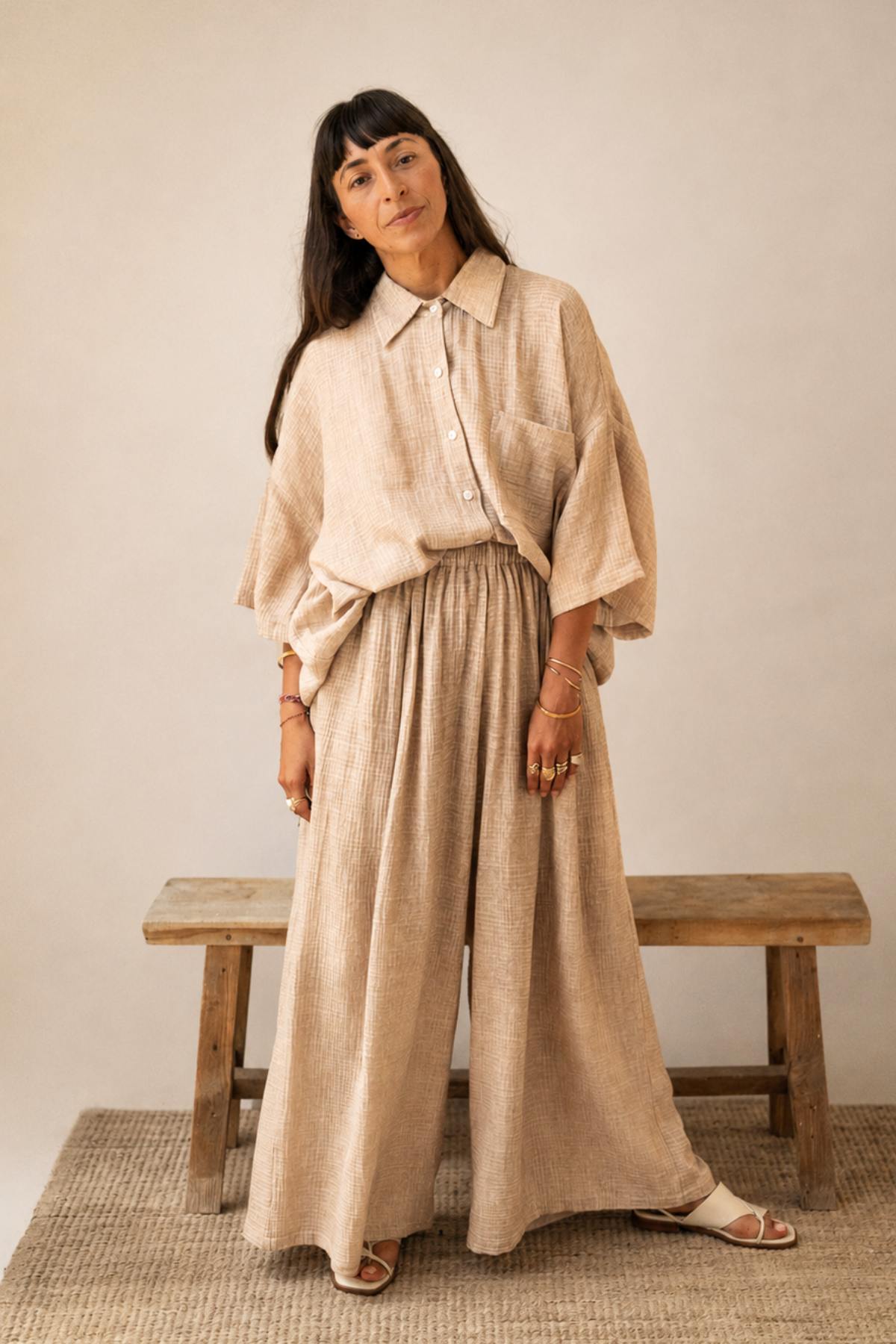
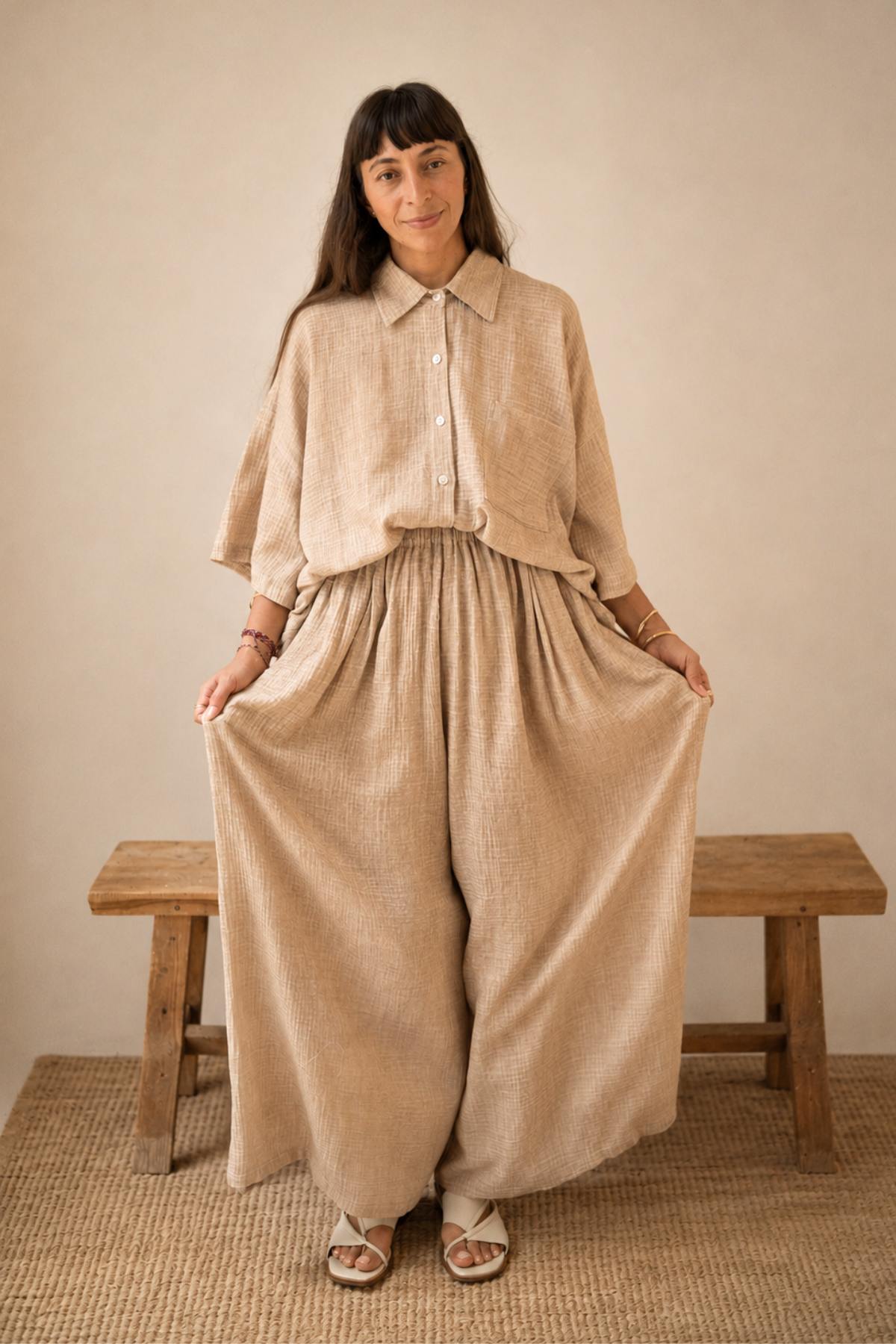
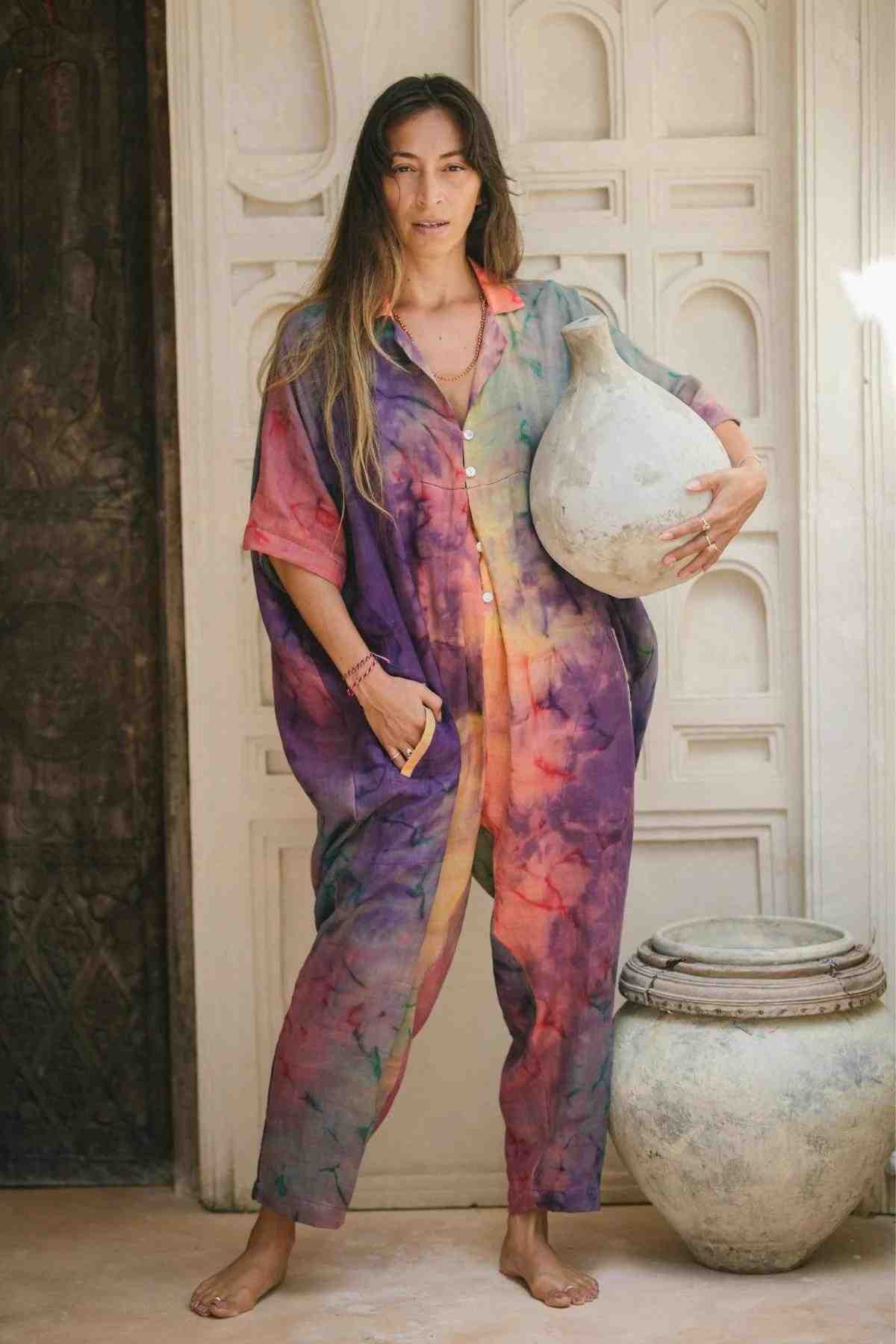
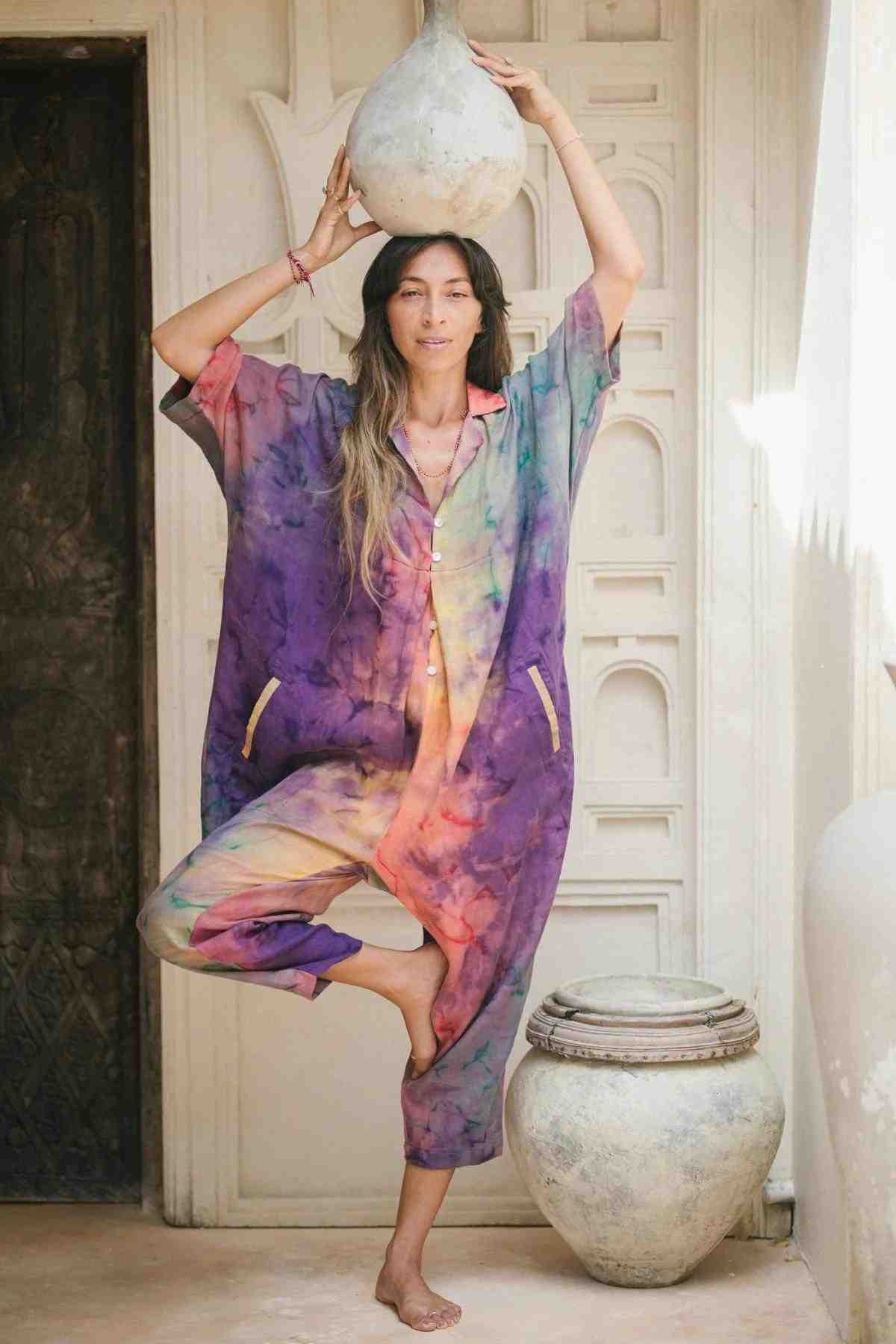
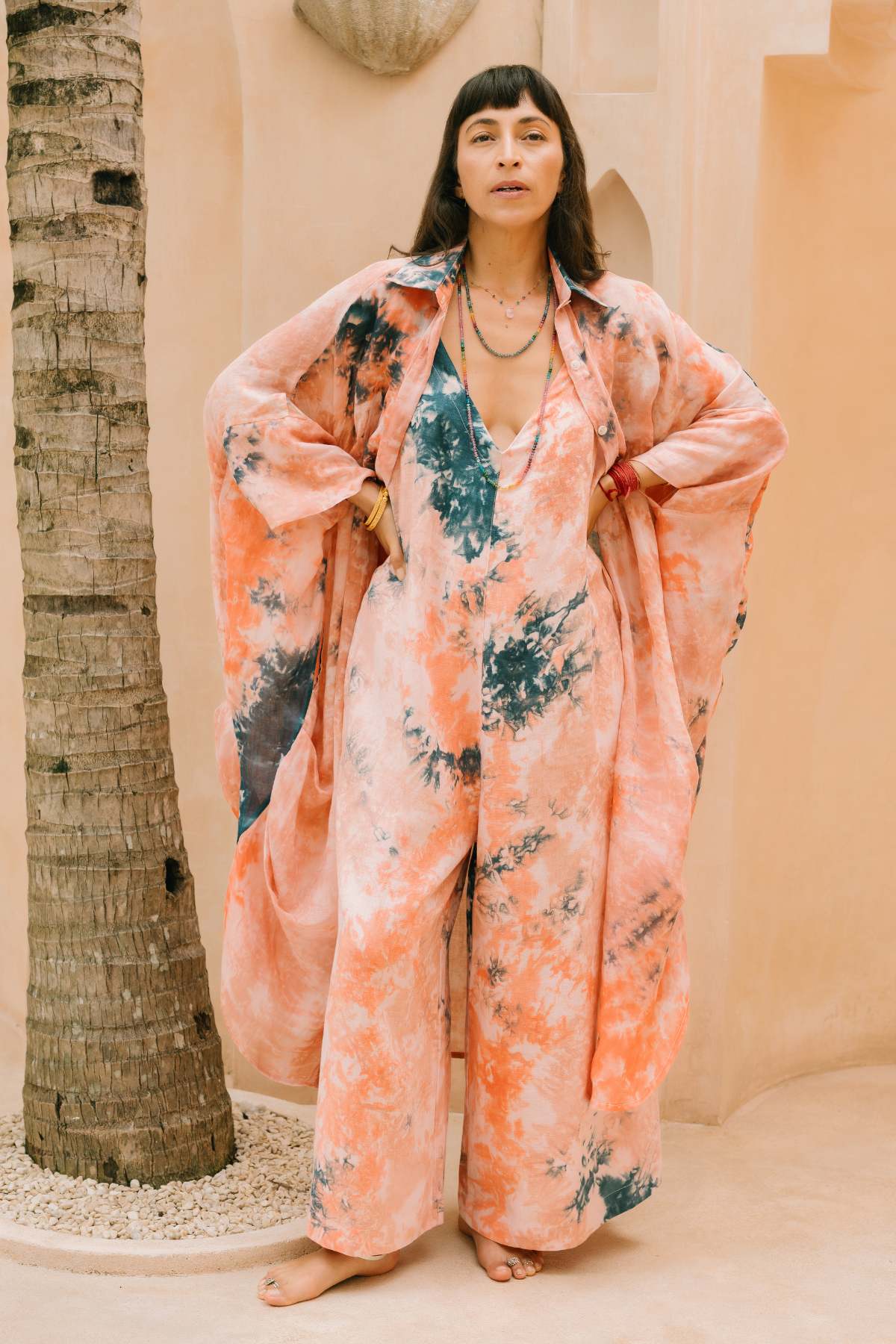
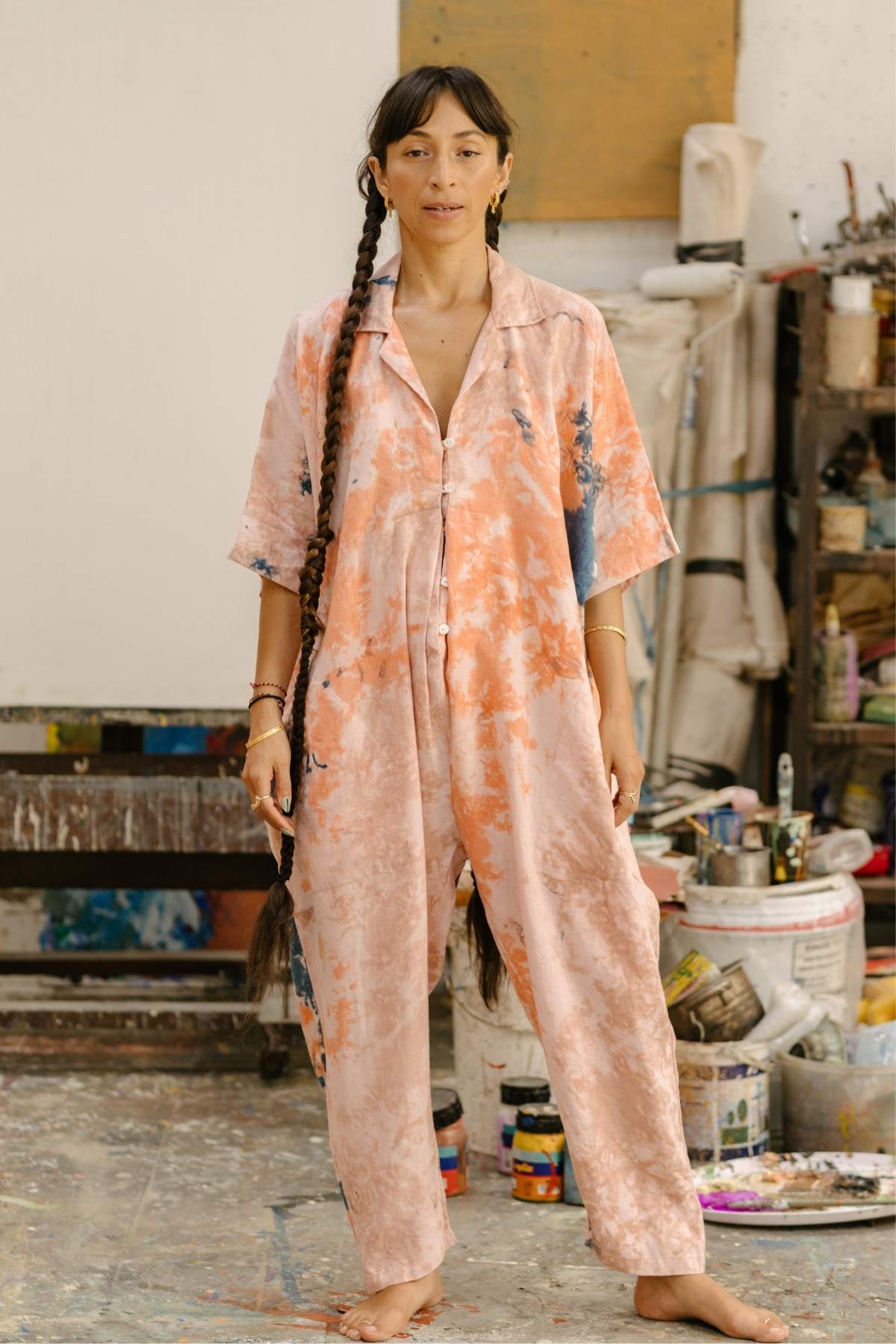
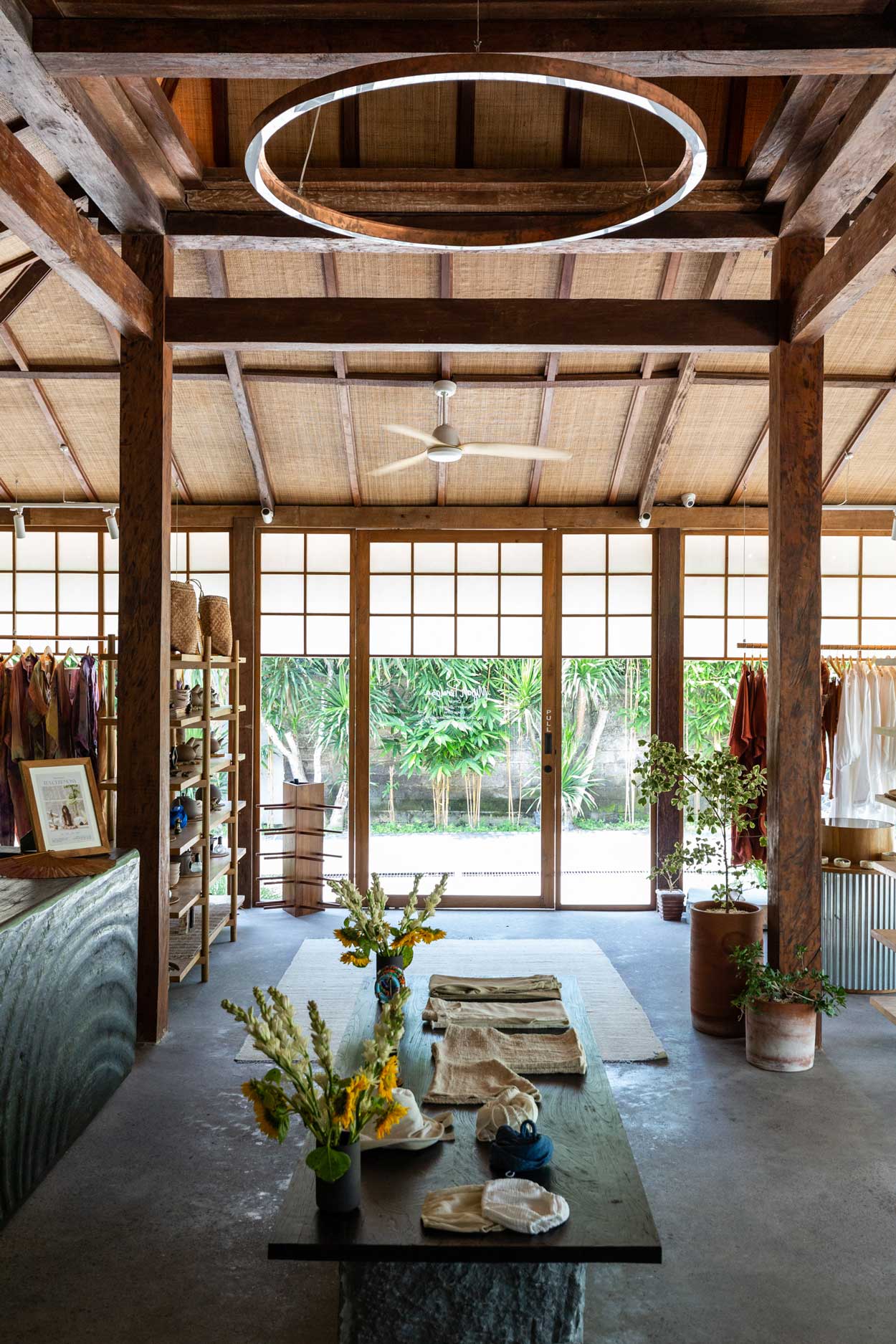
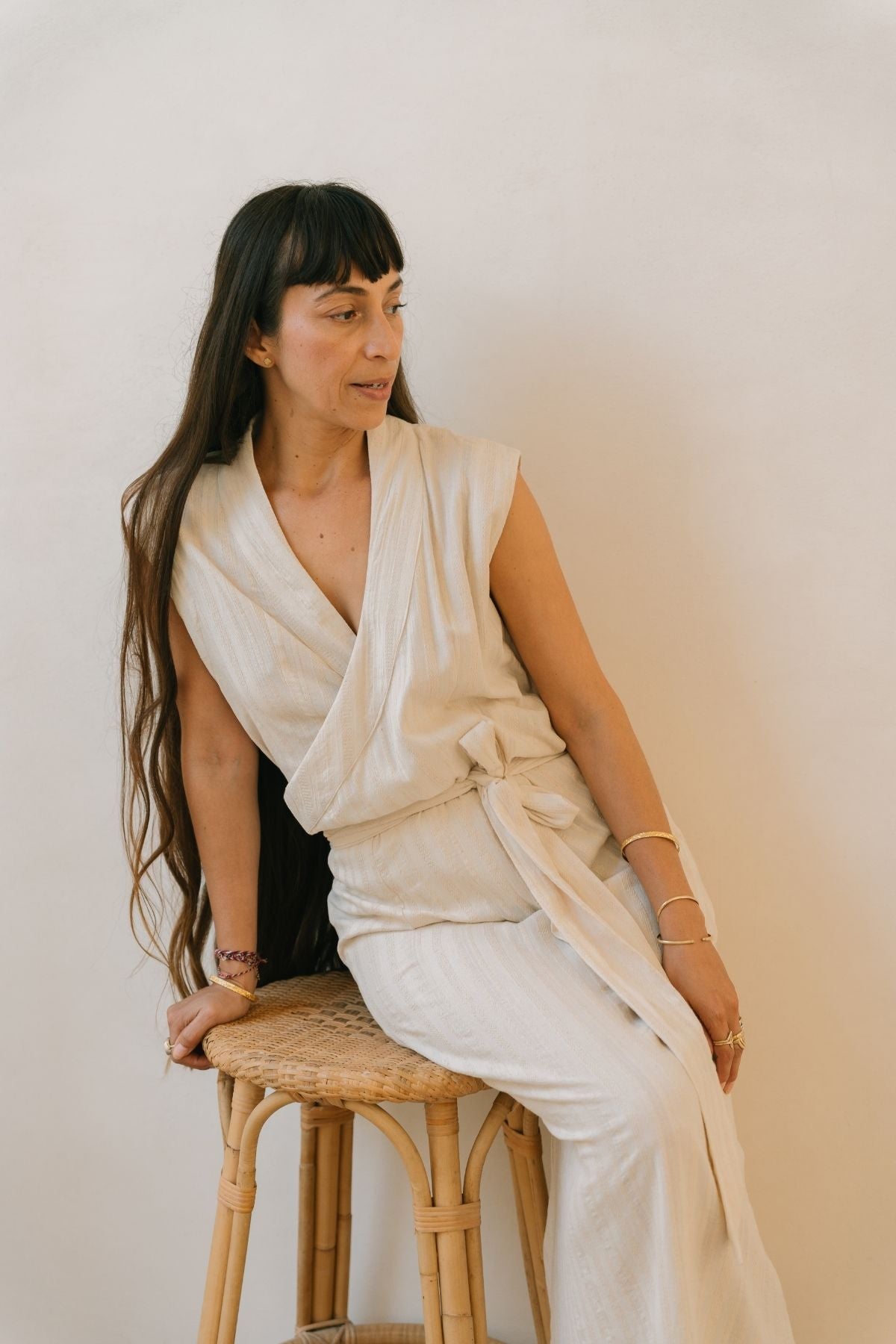
If you want to see what it looks like when a garment is made this way, our linen collection is the clearest example, and our slow fashion page sets out how we work in more detail.
Frequently Asked Questions
What are slow fashion brands?
Slow fashion brands are companies that make deliberate decisions about time at every stage: how long a garment takes to make, how long the maker is given to make it, how long the piece is designed to last, and how long it stays in the range. In practice that usually means small batches or made-to-order production, natural or certified fabrics, a supply chain the brand can actually describe, and prices that reflect a real wage rather than a compressed one. The label matters far less than whether the brand can answer specific questions with specific numbers.
How can I tell if a slow fashion brand is genuine?
Run five checks. Look for numbers rather than adjectives, since a percentage, a wage or a named certification is a claim someone can be held to. Read the composition tab rather than the about page. Ask what the brand does when a garment wears out, because repair or take-back means the business does not depend on you replacing it. See whether the lead time is explained or apologised for. And find out who made it, not just which country it was made in. That last question is the one fewest brands can answer, and it predicts the others.
Is slow fashion clothing more expensive?
Per garment, usually yes. Per year of wear, usually not. A fast fashion dress designed to survive around ten washes and one trend cycle gets replaced repeatedly, and the total spend across those replacements is often higher than one well-made piece worn for years. The honest caveat is that slow fashion asks for the money upfront, which is a real barrier and not one to wave away. Buying less often is what makes the arithmetic work, and it only works if the piece genuinely lasts.
What is the difference between slow fashion and sustainable fashion?
Sustainable fashion describes materials and environmental impact: organic fibres, water use, chemicals, carbon. Slow fashion describes pace and the people caught in it: production speed, batch size, wages, and how long a garment is meant to last. A brand can be one without the other. An organic cotton t-shirt produced in ninety seconds by an underpaid sewer is sustainable in its material and not slow in any sense. The two overlap often, but they answer different questions and it is worth knowing which one a brand is actually claiming.
Are big brands like Patagonia and Eileen Fisher considered slow fashion?
Not in the strict sense, because both operate at a scale that requires ongoing volume. What they have each proved is that one specific piece of the model works commercially: Patagonia that repair and resale can be profitable, Eileen Fisher that circularity can be an operating line rather than a pledge. Those proofs matter to the whole industry. What no company at that scale can offer is the thing small makers can, which is knowing the name of the person who made your particular garment.
Where are slow fashion brands usually made?
Everywhere, and the country tells you much less than people assume. There is exploitative production in wealthy countries and there is genuinely dignified, well-paid craft in developing ones. Our own garments are made in Bali by around thirty artisan families, about half in their own homes and about half in small workshops the tailors own themselves. The question worth asking is never which country, it is who specifically, under what conditions, for what wage, and whether the brand can tell you.
With love from Bali,
Myrah
|
A Piece for This Threshold The Linen Collection Shop the Linen Collection → |

|
The Muse-Letter Dress for the woman you’re becoming. Join the Muse-LetterUnsubscribe any time. No spam, ever. |



Laisser un commentaire
Ce site est protégé par hCaptcha, et la Politique de confidentialité et les Conditions de service de hCaptcha s’appliquent.