


Comment prendre soin de ses cheveux en fonction des phases de la Lune
Si vous avez déjà remarqué que vos cheveux poussent plus vite après certaines coupes, ou que certaines semaines ils absorbent les traitements comme une éponge alors que d'autres fois rien ne semble faire effet, la lune pourrait expliquer ce que votre styliste ne peut pas. Pour les meilleurs jours de coupe du mois en cours, consultez le calendrier lunaire cheveux.
Les soins capillaires lunaires ne sont pas une idée nouvelle. C'est une pratique ancienne, adoptée par les agriculteurs, les guérisseurs et les femmes à travers les cultures pendant des siècles, le principe étant que l'attraction gravitationnelle de la lune influence les fluides biologiques, y compris ceux du follicule pileux. Aujourd'hui, elle retient sérieusement l'attention des femmes qui connaissent également leur thème astral, utilisent des adaptogènes et comprennent que le corps n'est pas séparé du cosmos dans lequel il vit. Ce n'est pas de la superstition. C'est une intelligence cyclique.

Pourquoi les phases de la lune affectent la pousse des cheveux
L'attraction gravitationnelle de la lune est suffisamment forte pour déplacer l'océan. Le corps humain est composé d'environ 60 % d'eau. Il est logique – et un nombre croissant de recherches en agriculture biodynamique le confirment – que les phases lunaires influencent la division cellulaire, l'absorption des nutriments et la circulation des fluides dans le corps, y compris le cuir chevelu et le follicule pileux.
Le cadre est simple : la lune croissante (de la nouvelle lune à la pleine lune) est une phase expansive et constructive, associée à la croissance, à la rétention et à l'absorption. La lune décroissante (de la pleine lune à la nouvelle lune) est une phase de libération et de contraction, associée au repos, à la purification et au lâcher-prise. Les cheveux réagissent aux deux phases, mais différemment, et c'est en travaillant avec ce rythme plutôt que contre lui que l'on obtient des résultats.
Nouvelle Lune : Réinitialiser, Huiler, Intention
La nouvelle lune est un début intérieur, silencieux. Ce n'est pas le moment des changements spectaculaires ou des coupes visibles, mais c'est une fenêtre idéale pour un rituel d'huile capillaire profonde pour le cuir chevelu. La nuit de la nouvelle lune, appliquez une huile nourrissante sur le cuir chevelu : du romarin pour la stimulation et la croissance, du brahmi pour l'épaisseur et la nutrition ayurvédique, du ricin pour la densité. Massez pendant cinq à dix minutes, couvrez avec un foulard en soie ou un bonnet de douche, et dormez avec. Rincez le matin.
La qualité réparatrice de cette phase est censée favoriser une absorption plus profonde, et de nombreuses femmes qui pratiquent les soins capillaires lunaires rapportent que les traitements à l'huile de nouvelle lune sont plus nourrissants, plus apaisants, que le même traitement effectué en milieu de cycle. Commencez ici si vous débutez cette pratique. Un traitement à l'huile pendant une nouvelle lune. Observez les changements.
Lune Croissante : La Fenêtre de Croissance Optimale
De la nouvelle lune à la pleine lune, l'énergie s'accumule. C'est la fenêtre optimale pour couper les cheveux si votre objectif est l'épaisseur, le volume et une repousse plus rapide. Le follicule pileux est dans un état actif et réceptif pendant les phases croissantes. La croissance après la coupe a tendance à être plus dense et plus vitale que les coupes effectuées pendant les phases contractantes.
C'est aussi la meilleure période pour les sérums de croissance, les traitements protéinés et les masques intensifs, car l'absorption est améliorée. Le gibbeux croissant, environ trois jours avant la pleine lune, est considéré comme le pic de cette fenêtre. Si vous pouvez programmer votre coupe ici, faites-le. Les femmes qui suivent le calendrier capillaire lunaire rapportent constamment une repousse plus rapide et plus saine lorsqu'elles alignent les coupes avec cette phase.
Liste des soins pour la lune croissante : coupes pour la croissance, masques protéinés, sérums de croissance, pratiques de stimulation du cuir chevelu (gua sha, massage), suppléments de collagène.
Pleine Lune : Hydratation et Absorption Maximales
La pleine lune est le pic du cycle, et pour les cheveux, c'est le moment d'hydratation et de réceptivité maximales. On rapporte qu'un masque revitalisant profond appliqué la nuit de la pleine lune et laissé pendant 30 minutes ou toute la nuit pénètre plus complètement qu'à toute autre phase. Les produits réparateurs de liaisons, les traitements hydratants intenses et les reconstructeurs sont tous mieux appliqués à ce moment-là.
Les cheveux sont à leur plus malléable à la pleine lune, ce qui en fait une fenêtre idéale pour tout traitement nécessitant l'ouverture et la réception de la cuticule. Une note : la pleine lune n'est pas idéale pour la coupe si votre objectif est de ralentir la croissance ou de réduire l'épaisseur, car l'énergie expansive peut accélérer la repousse dans les jours suivants.
Liste de soins pour la pleine lune : masques revitalisants profonds, produits réparateurs de liaisons, traitements hydratants, sérums intensifs, traitements thermiques.
Lune Décroissante : Nettoyer, Libérer, Reposer
De la pleine lune à la nouvelle lune, l'énergie se contracte. C'est la phase de libération, et cela s'applique aussi au cuir chevelu. La lune décroissante est la meilleure fenêtre pour un shampoing clarifiant ou une détox du cuir chevelu : éliminer l'accumulation de produits, l'excès de sébum, les résidus environnementaux. Le follicule est dans un état plus calme, moins prolifératif, ce qui en fait un moment idéal pour un nettoyage en profondeur sans perturber les cycles de croissance actifs.
C'est également la fenêtre optimale pour couper les cheveux si votre objectif est de ralentir la repousse, de gérer l'épaisseur ou simplement de maintenir la longueur. L'énergie lunaire contractante favorise une réponse plus mesurée et retenue dans le follicule après la coupe.
Ne vous alarmez pas d'une augmentation de la chute de cheveux pendant la phase décroissante. C'est le cycle qui fonctionne comme prévu, rien ne va mal. Le corps élimine ce dont il n'a plus besoin. Laissez-le faire.
Comment construire une pratique capillaire lunaire
Vous n'avez pas besoin de revoir toute votre routine. Commencez par un changement : vérifiez la phase lunaire avant votre prochaine coupe, ou planifiez un traitement revitalisant de pleine lune et observez comment vos cheveux réagissent. Tenez un simple journal : phase, traitement, ce que vous avez observé la semaine suivante. La plupart des femmes qui commencent à suivre trouvent des schémas en deux ou trois cycles.
Le calendrier capillaire lunaire rend cela pratique plutôt que théorique. Chaque mois, nous publions une répartition précise des meilleurs jours pour couper, traiter et reposer vos cheveux, en fonction des phases lunaires réelles. Le calendrier capillaire lunaire de juillet 2026 est en ligne et couvre chaque fenêtre en détail.
Vos cheveux sont vivants. Ils réagissent à ce que vous mangez, à votre sommeil, à ce que vous ressentez, et à la façon dont la lune évolue dans son cycle. Commencez à y prêter attention, et ils commenceront à vous montrer ce dont ils ont besoin.
La sagesse la plus ancienne et la science la plus récente commencent à s'accorder : le corps est lunaire. Travaillez avec cela.
Avec amour de Bali,
Myrah.
|
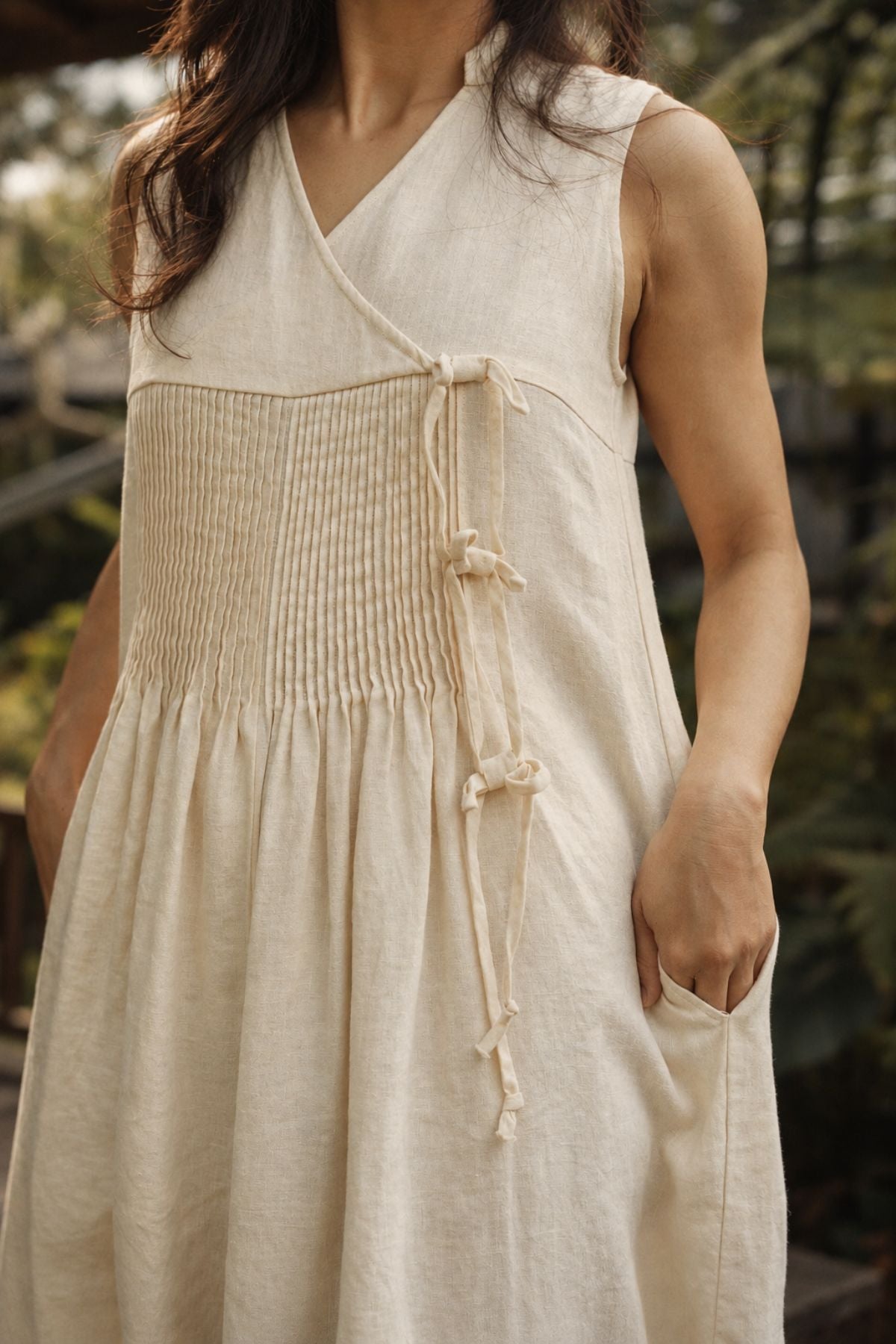
Une pièce pour ce seuil Robe Origami en Ramie + Ensemble Combinaison Kundalini. Fabriqué à partir de la plante d'ortie : deux fois plus solide que le lin, deux fois plus doux avec l'usure. La couleur Noir Lune Noire a été conçue précisément pour cela : la femme qui bouge avec le cycle, qui s'habille pour la phase dans laquelle elle se trouve, et non celle que le monde attend. |

|
La Muse-Lettre Habillez-vous pour la femme que vous devenez. Chaque semaine de Bali. Astrologie, slow living, féminin sacré et les pièces que nous fabriquons à la main. Une lettre, pas un argument de vente. Désabonnez-vous à tout moment. Pas de spam, jamais. |


















Laisser un commentaire
Ce site est protégé par hCaptcha, et la Politique de confidentialité et les Conditions de service de hCaptcha s’appliquent.