How to buy a dress you will still be wearing in ten years
A slow fashion dress is one made in a small run, from a natural fibre you can trace, by a maker paid a living wage, and cut with enough ease that your body can change without the dress becoming unwearable. Everything else is styling. If you are choosing between two dresses and want to know which one will still be in your wardrobe in ten years, there are five things to check, and none of them is the photograph.

One: what the fibre actually is
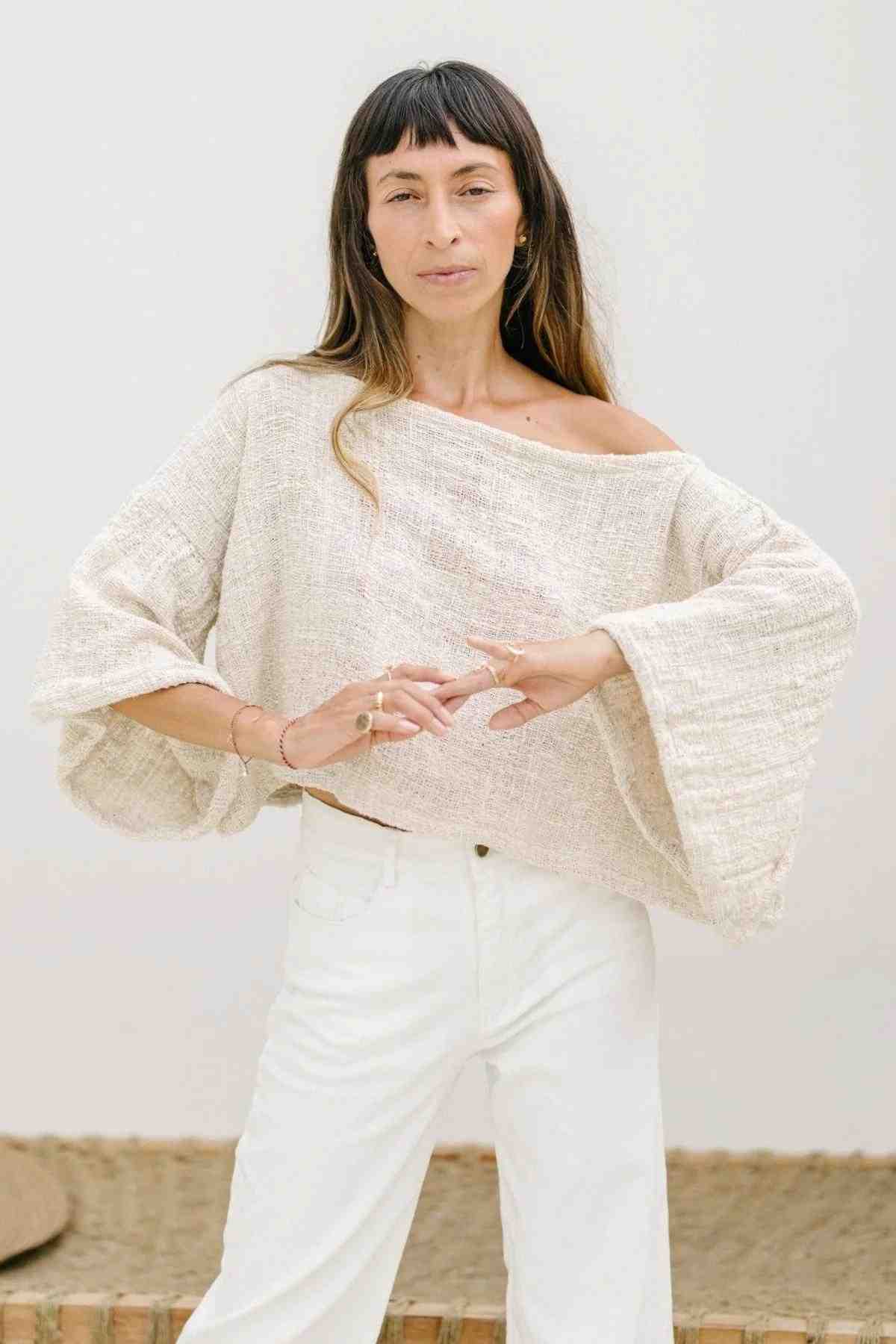
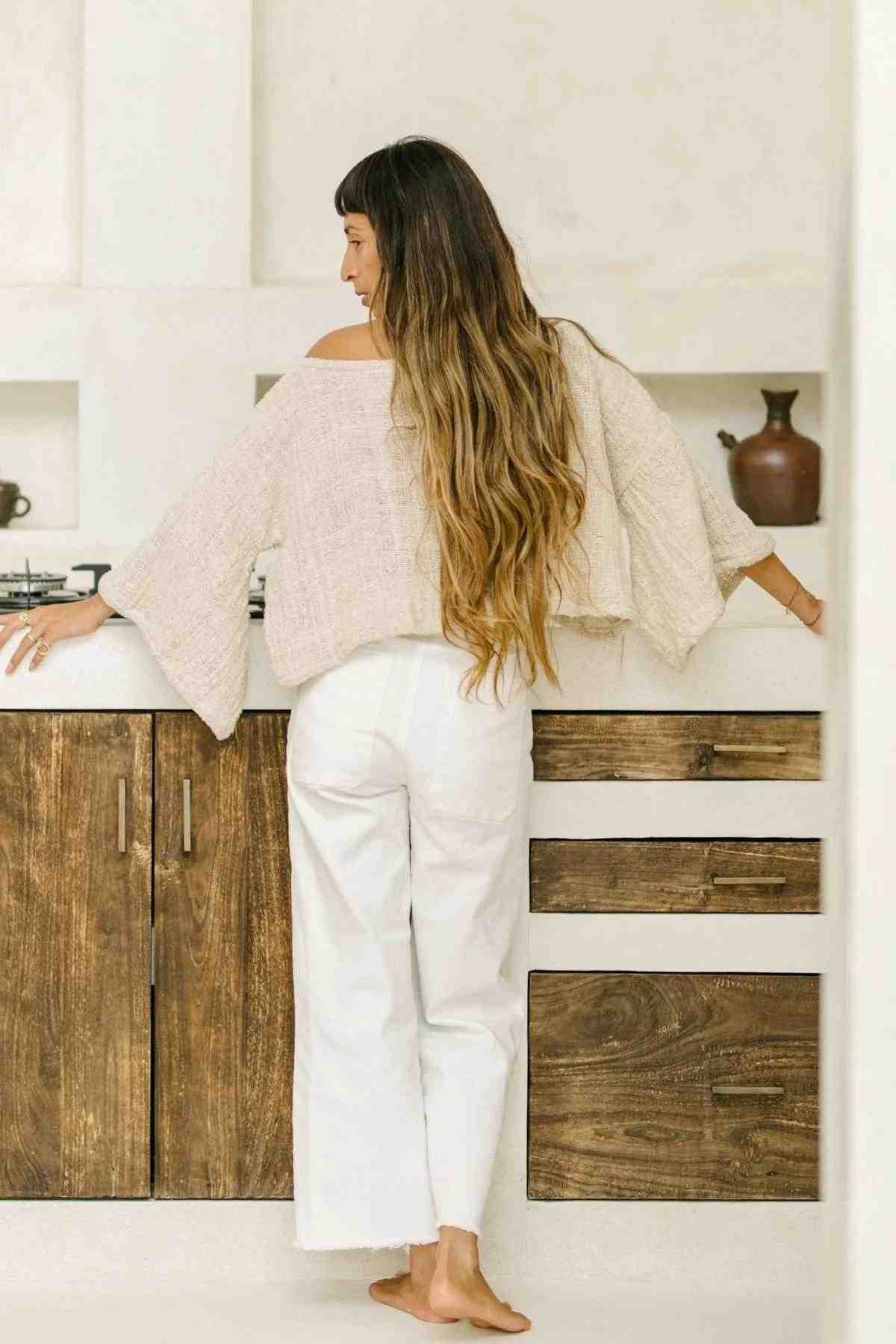
Read the composition, not the description. Linen, hemp, ramie, cotton and silk are the fibres that age well, because they soften rather than degrade. Polyester does not soften. It pills, it holds odour, and it sheds microplastic into the water every time you wash it.
Blends are where the language gets slippery. A dress described as linen may be thirty percent linen. If a brand does not print the split, assume the cheaper fibre dominates. Everything we make is a hundred percent of what it says, and our linen carries OEKO-TEX Standard 100, which is a third-party check that the finished cloth is free from harmful substances rather than a claim we make about ourselves.
Two: whether the cut can hold a changing body
This is the thing almost nobody checks, and it is the single largest predictor of whether a dress survives a decade.
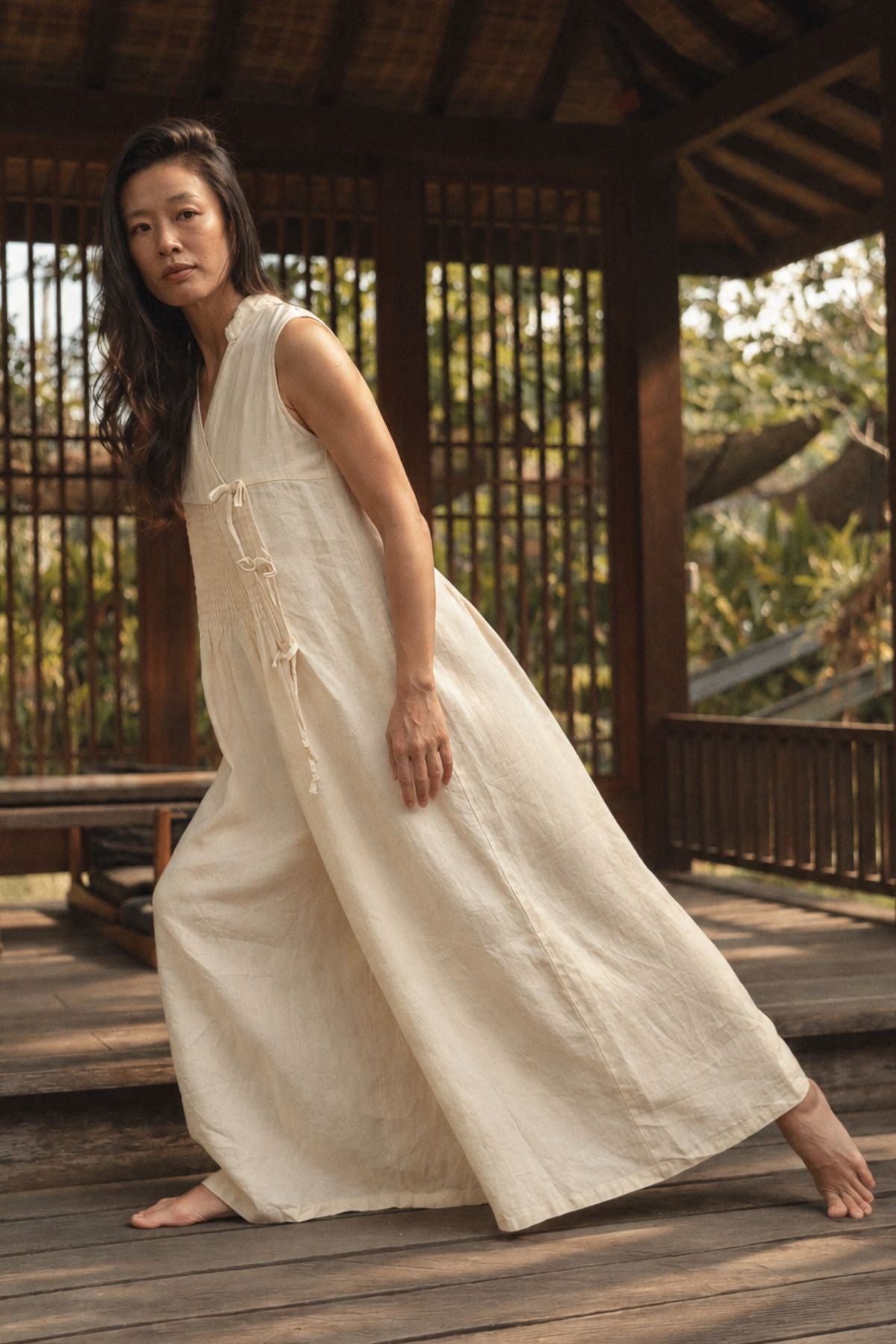
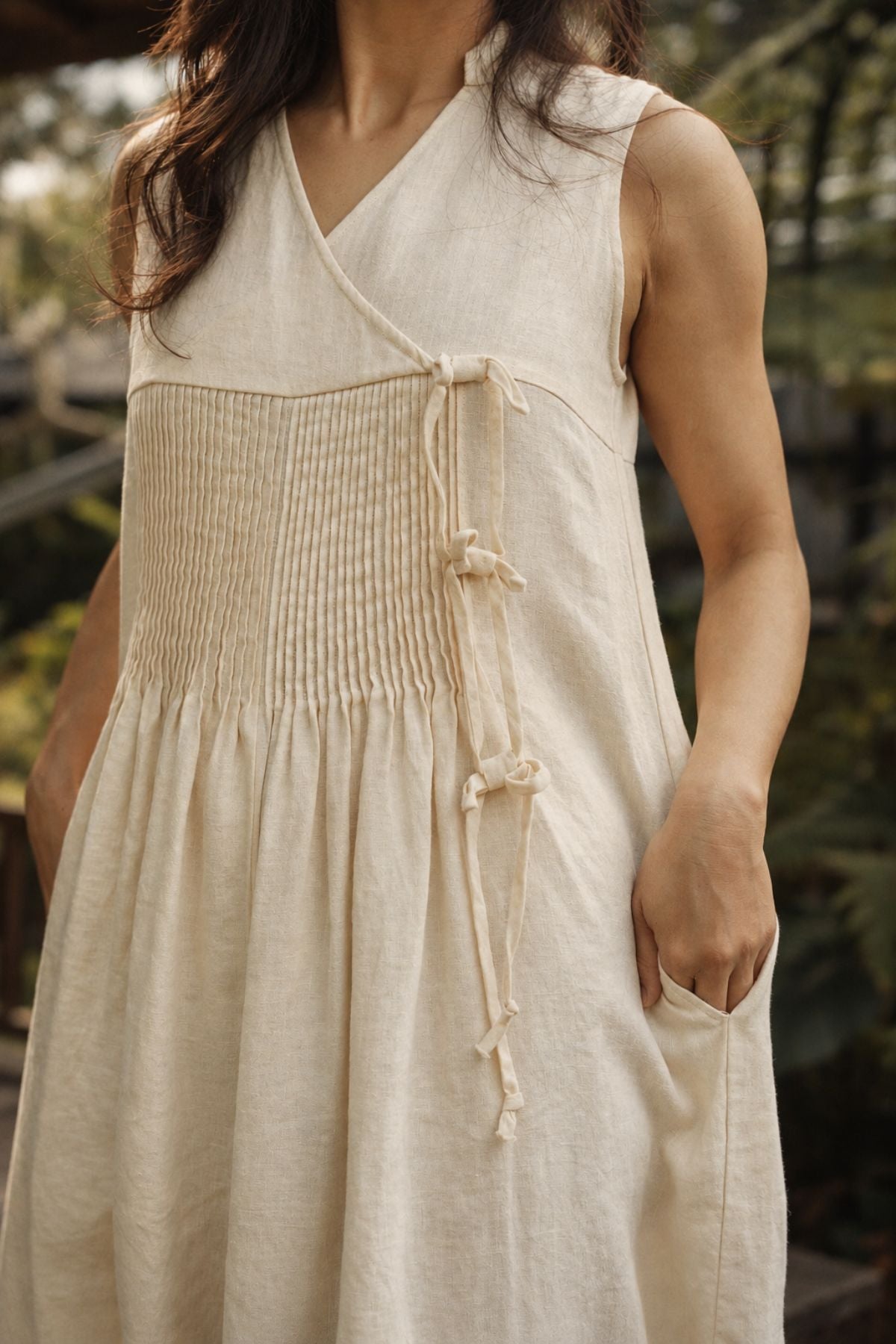
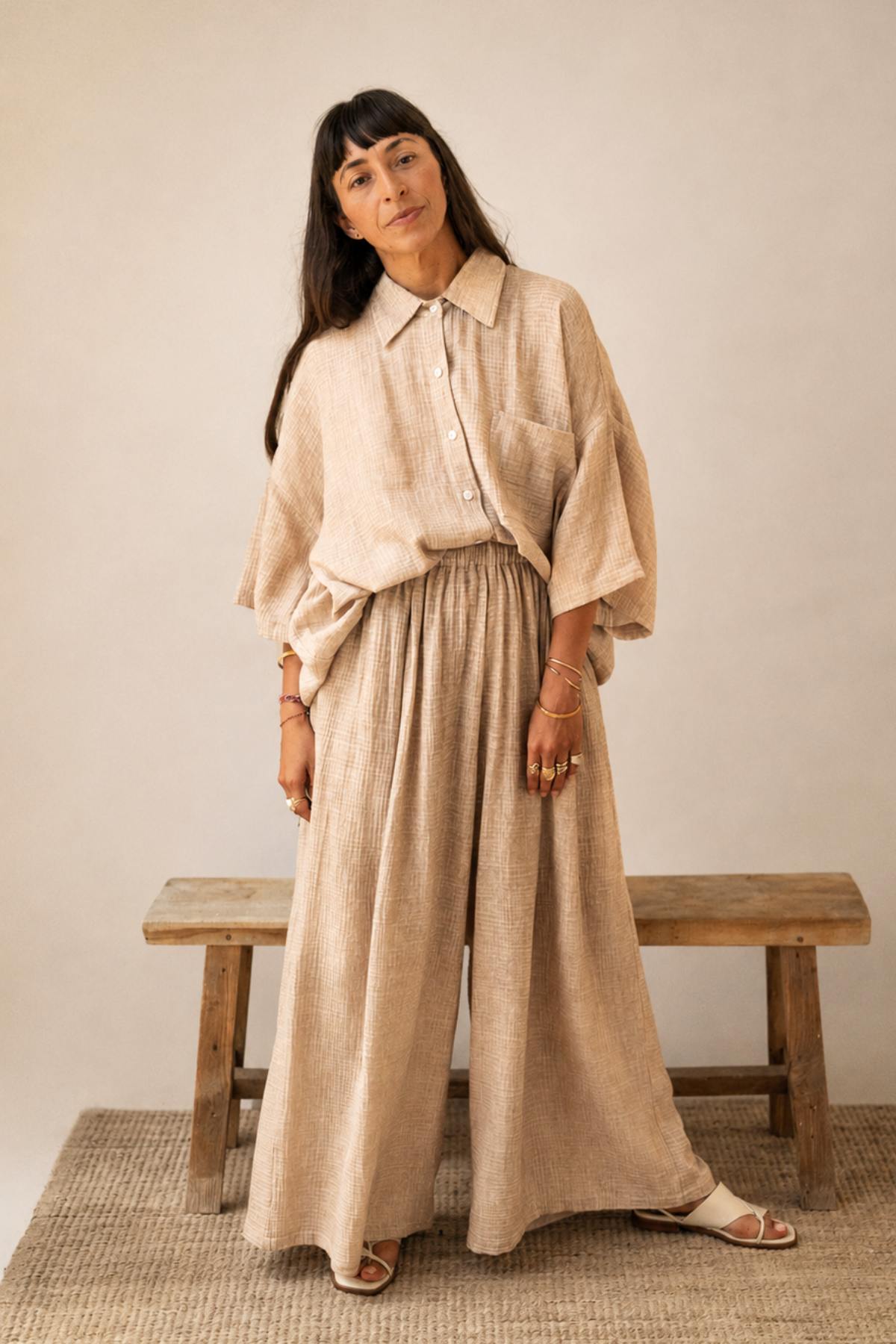
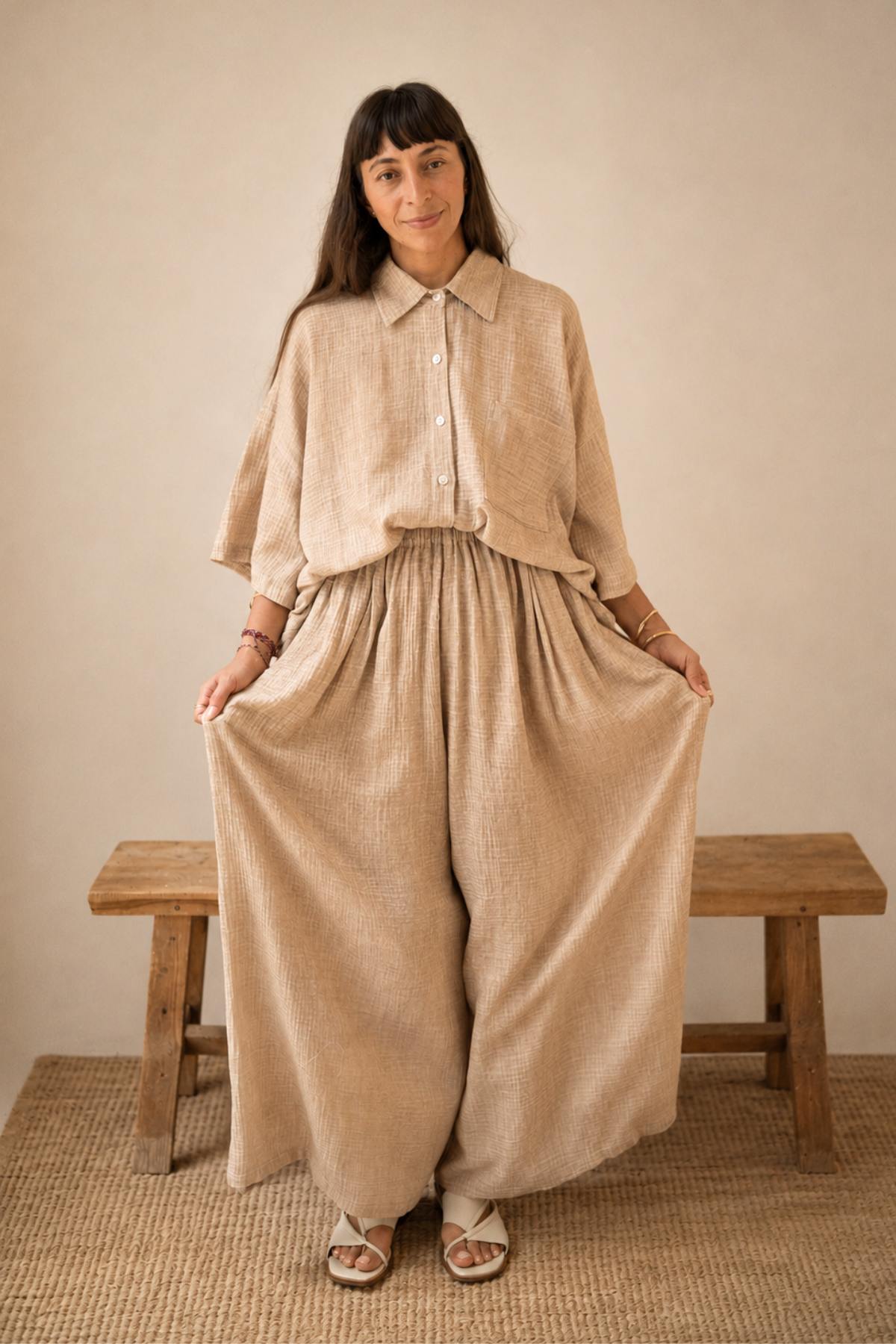
Bodies change. They change monthly, they change through pregnancy and after, they change with grief and with joy and with getting older. A dress built to fit one exact measurement is a dress with a short life, however well it is made. A dress built with ease, an adjustable tie, a button front, a wrap, will still be yours through all of it.
We cut most pieces one size for that reason. Not because it is easier, but because a woman wrote to tell us she wore the Shanti through her entire pregnancy, and the letter she sent said everything we had been trying to say since we made the first one.
Three: how it was coloured
Dyeing is the stage that does the most environmental damage and leaves the least visible trace. It is worth asking about.
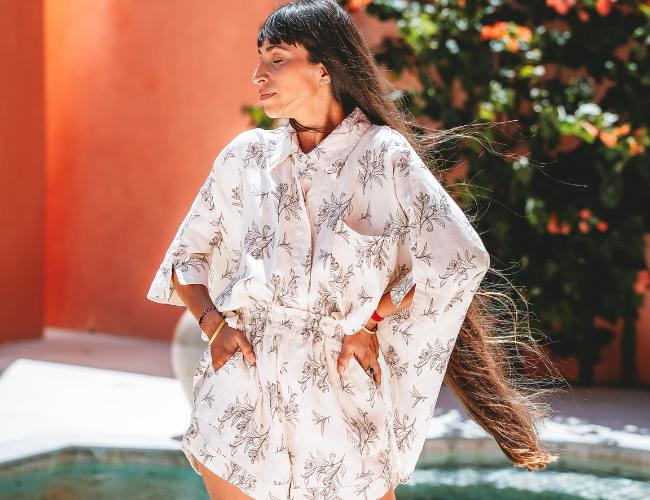
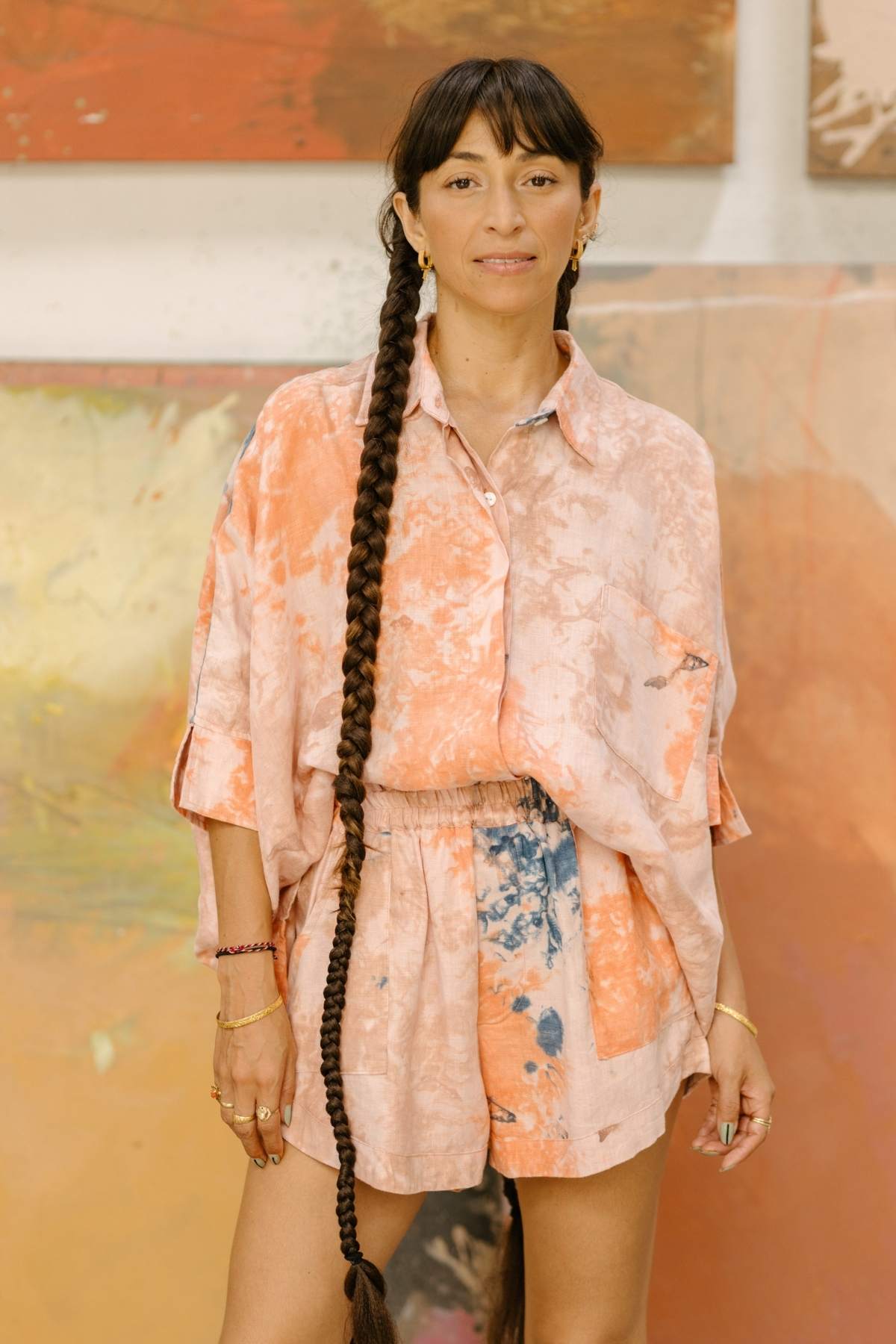
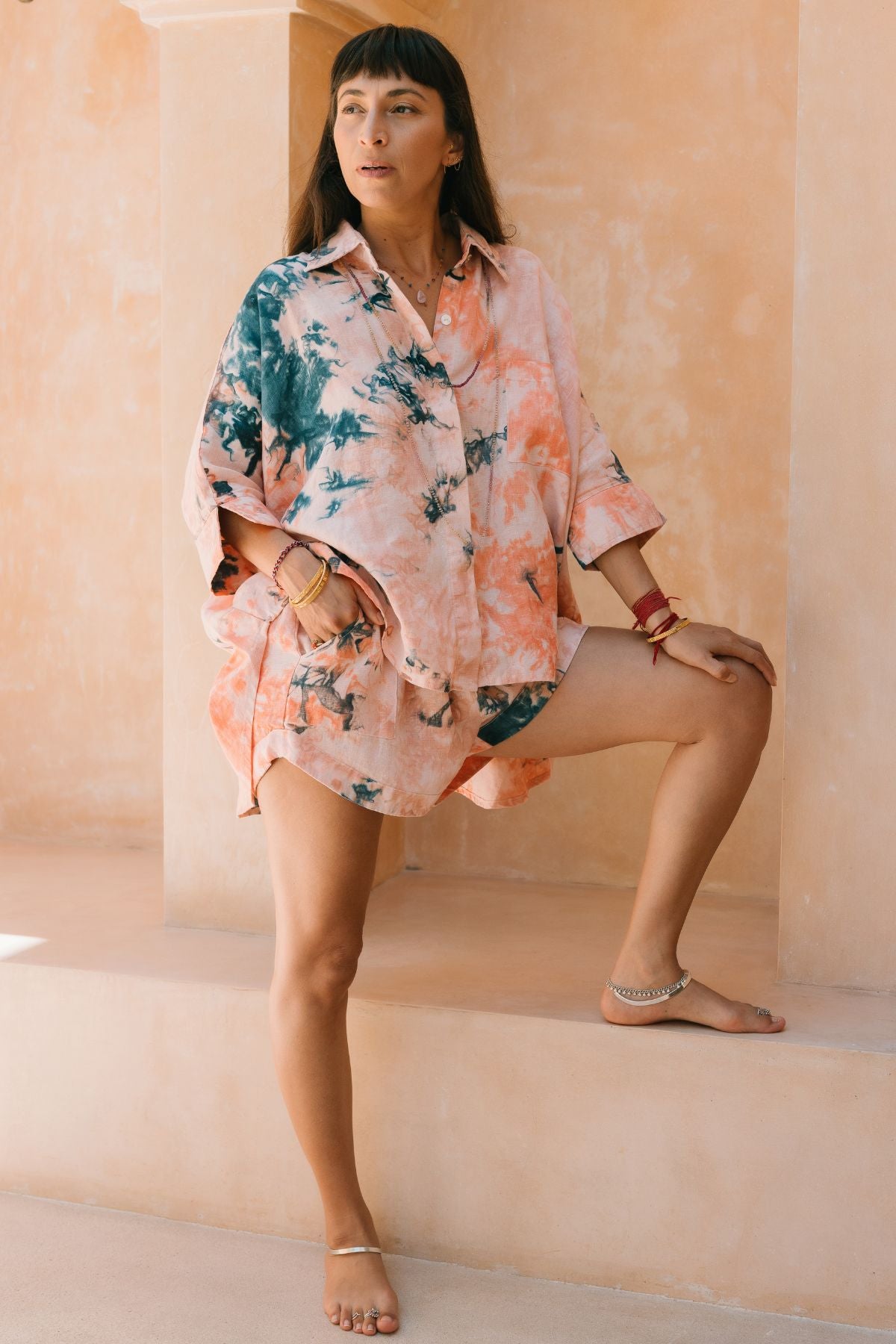
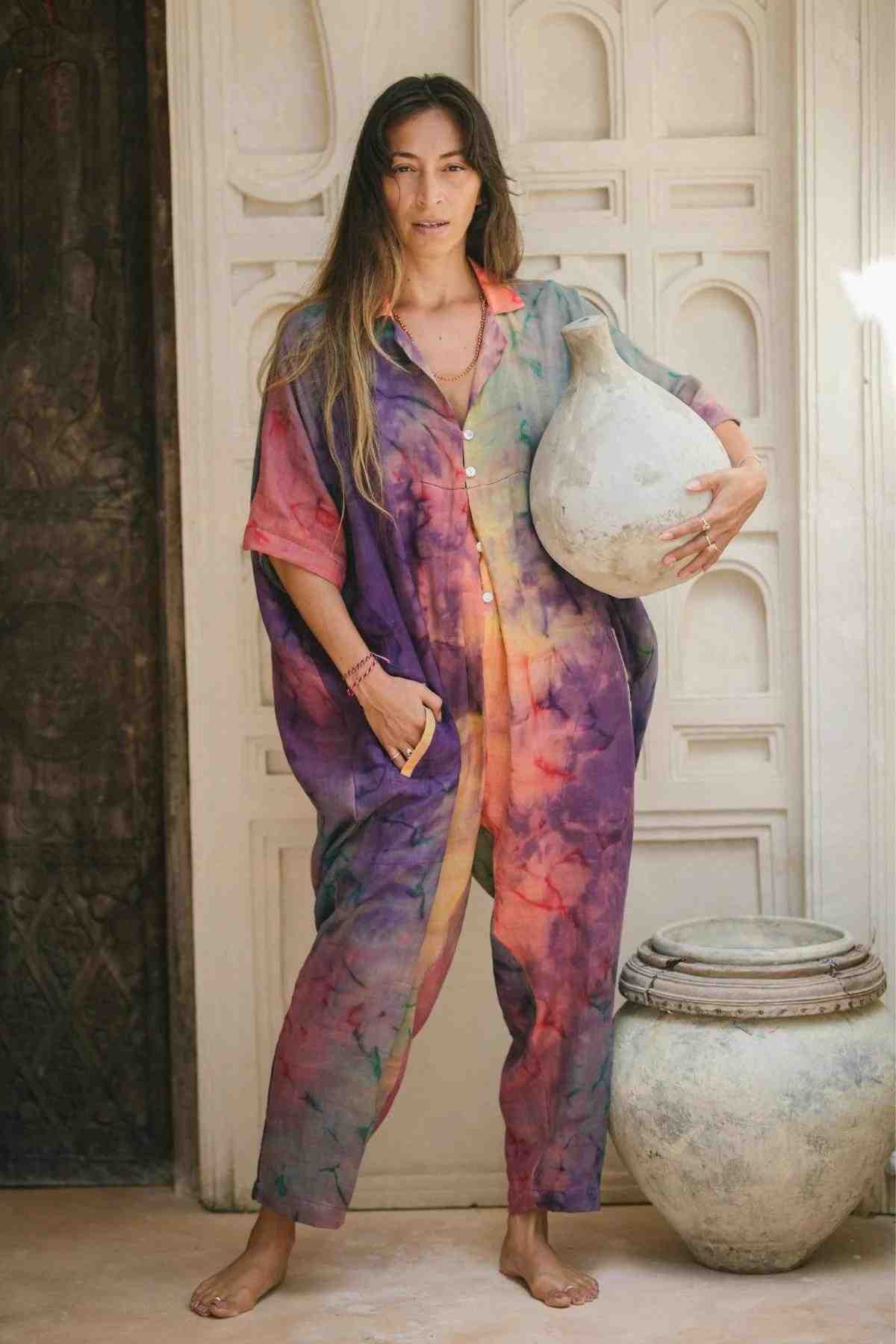
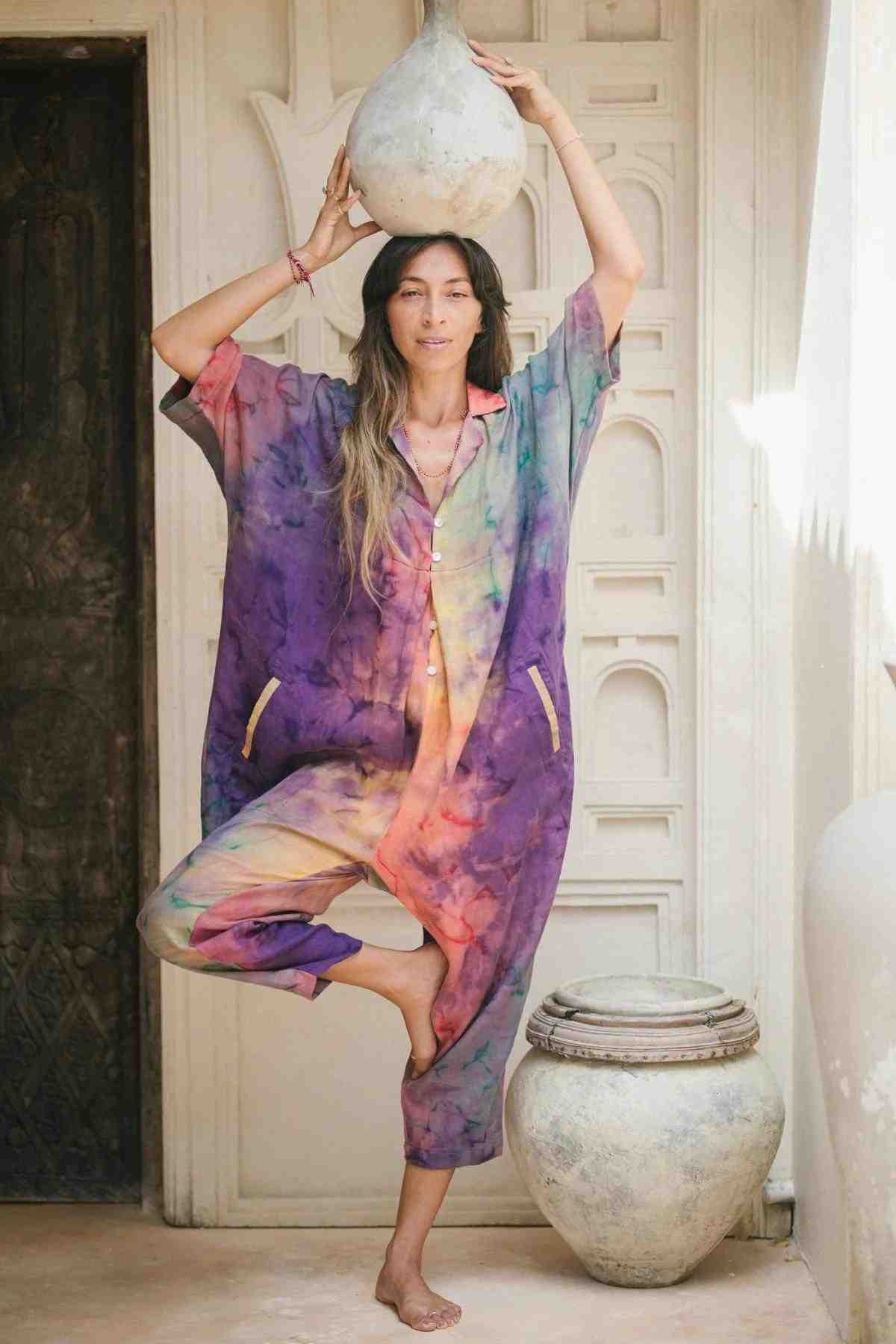
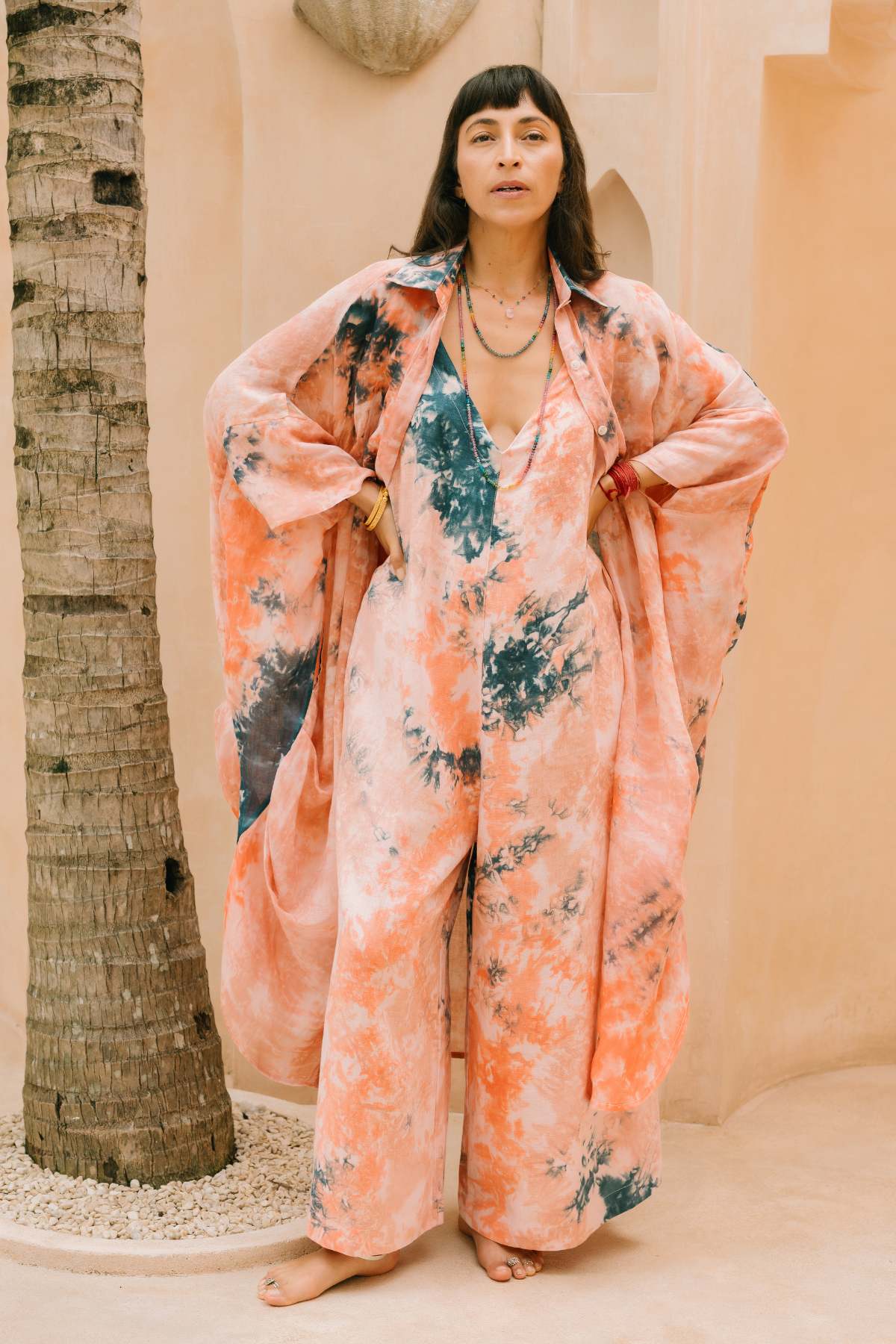
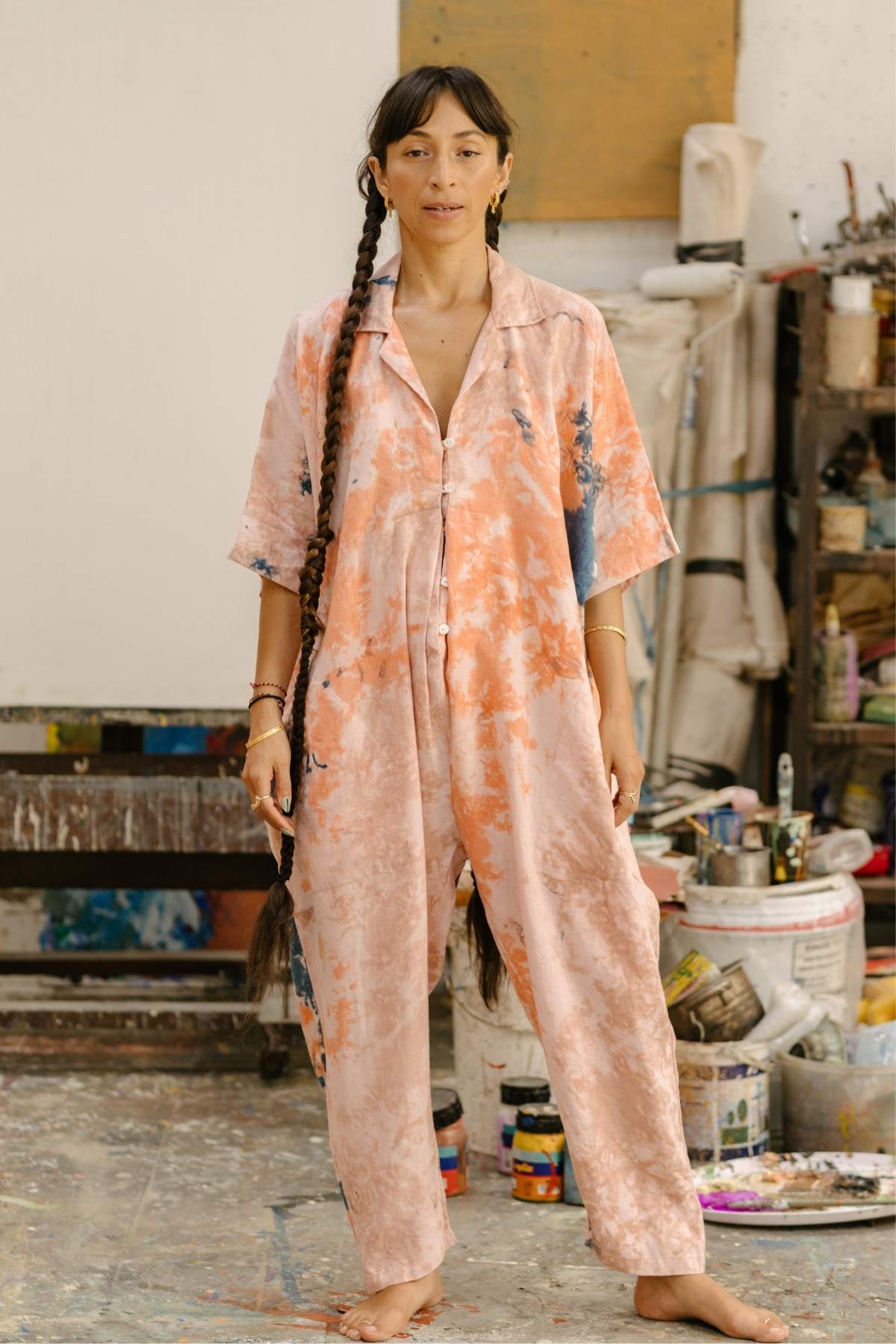
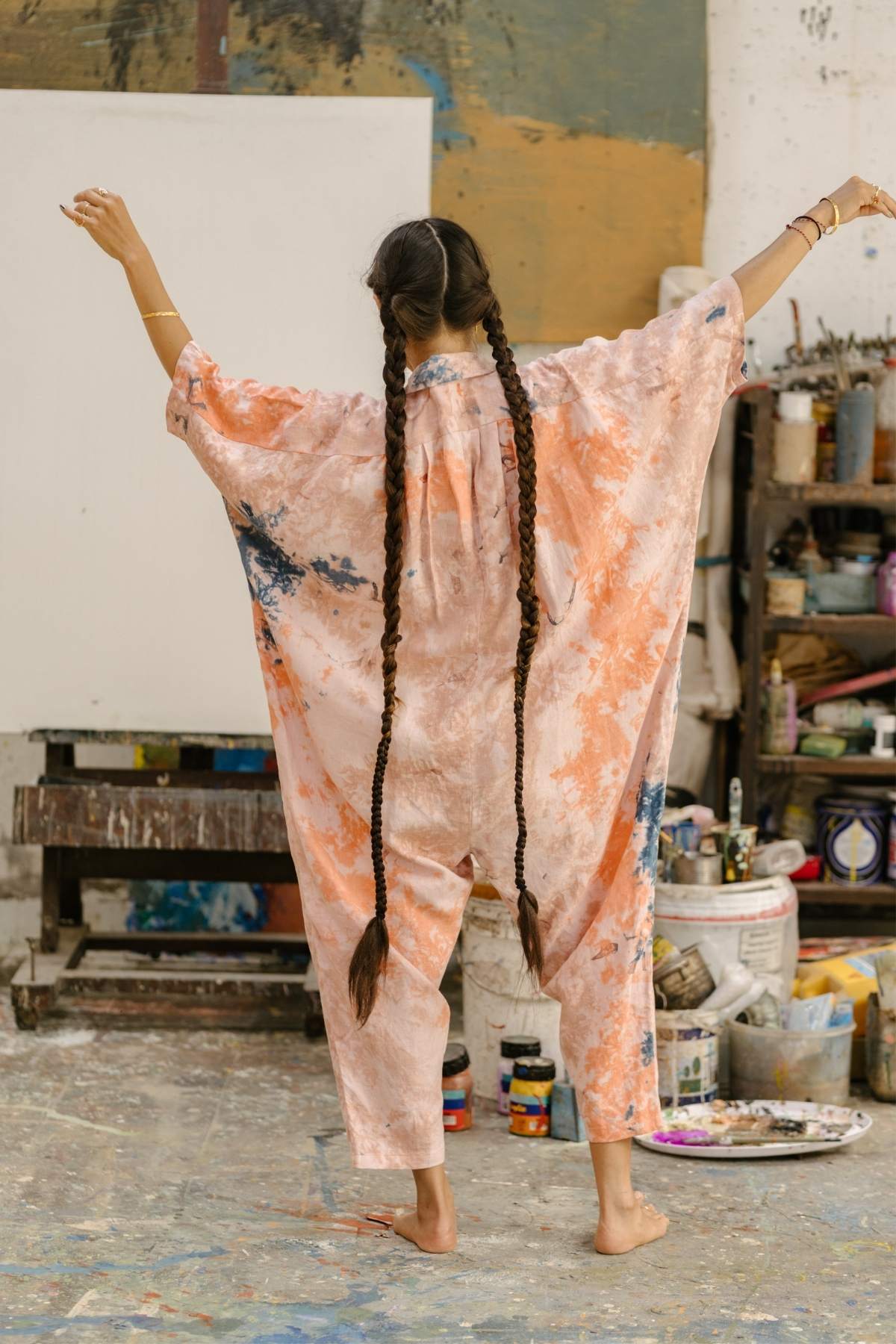
Botanically dyed cloth announces itself if you know what to look for: slight variation across the piece, tonal shift between batches, a colour that deepens rather than fades. Our Uluwatu Sunset pieces spend five to seven days in the dye before a seam is sewn, which is why no two are identical. If every unit of a colourway matches exactly, it was dyed conventionally. That is not a scandal, but it is information you are entitled to.
Four: how many were made
Ask, or look at how often the brand releases. A label putting out dozens of new styles a month is not making them slowly. Small batches and made-to-order are what make overproduction structurally impossible rather than merely undesirable.
The honest consequence is a wait. Ours is usually three to six weeks. We would rather say that plainly than dress it up, because the alternative is a warehouse of unsold stock and someone sewing faster than they should.
Five: what it costs, and what that covers
A slow-made dress usually lands somewhere between a hundred and four hundred dollars. That is not a premium for the word. It is the same arithmetic as a twenty dollar dress, run without anyone absorbing a loss at the bottom of it: certified cloth, a living wage, dye that does not poison a river, and a run small enough that nothing is made to be destroyed unsold.
The number that actually matters is cost per wear. A dress worn weekly for five years costs a fraction of a cheaper one worn six times.
Where to start, if you are starting
Buy for your ordinary Tuesday, not your imagined occasion. These are the five we would point you toward first, and who each one is for.
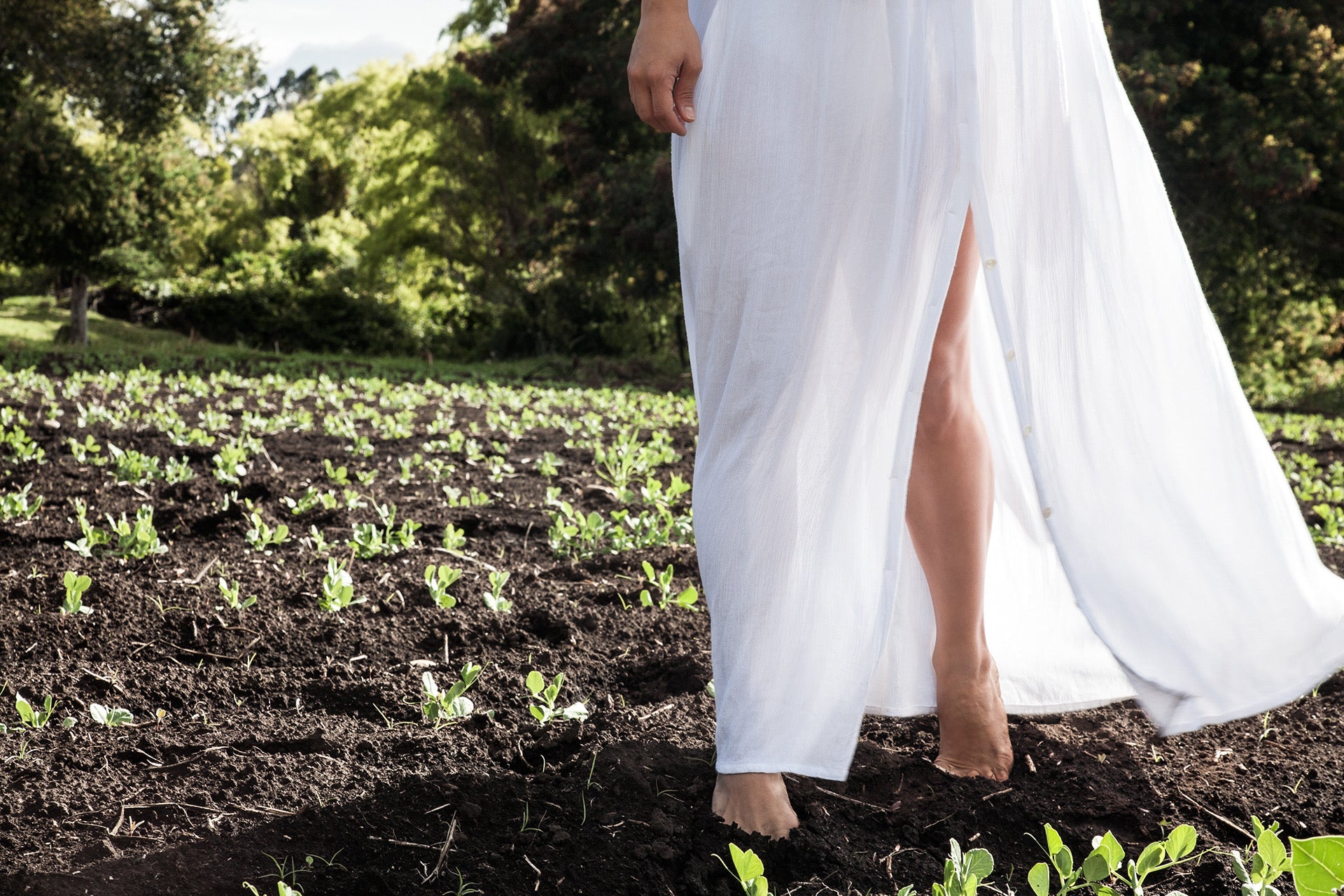
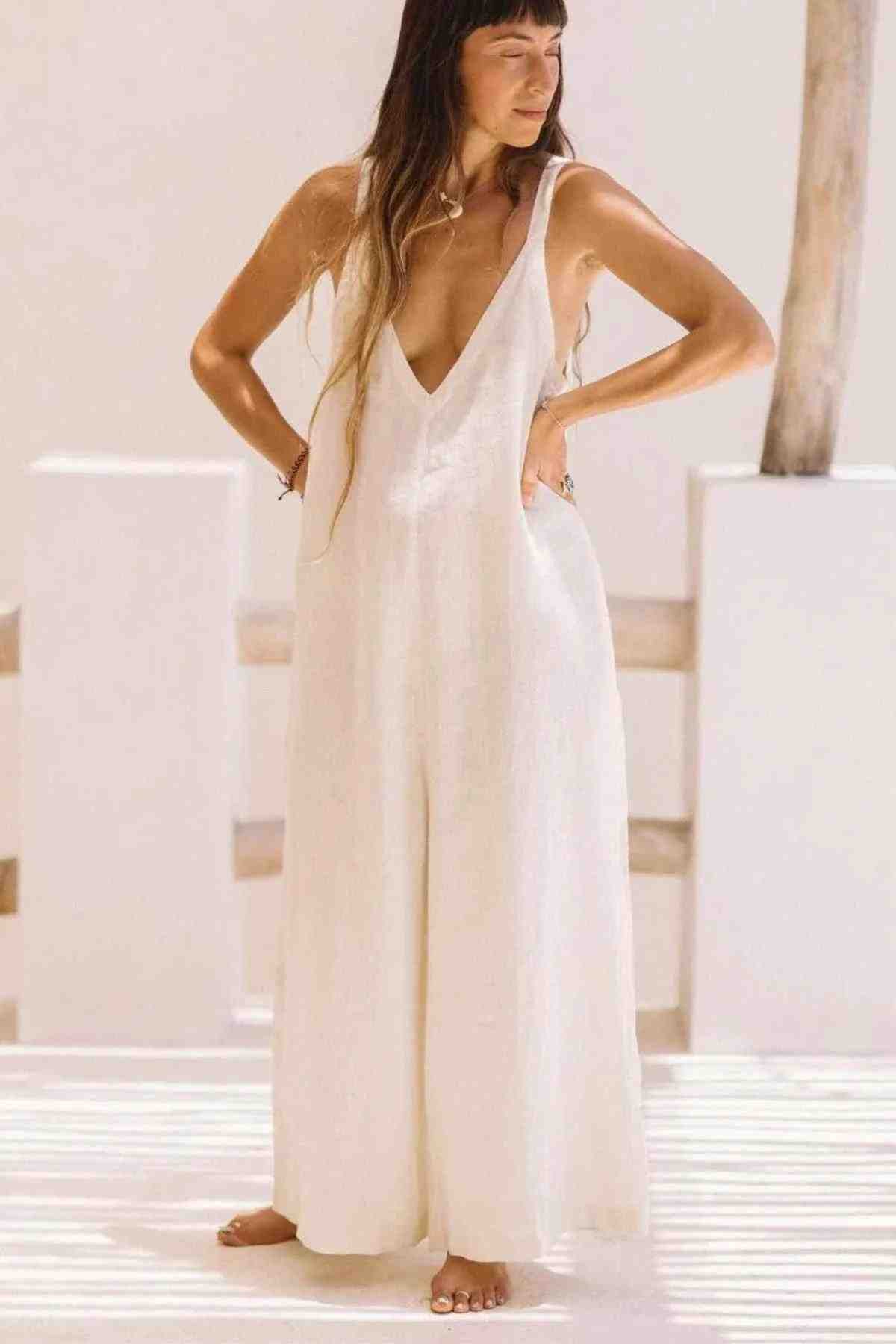
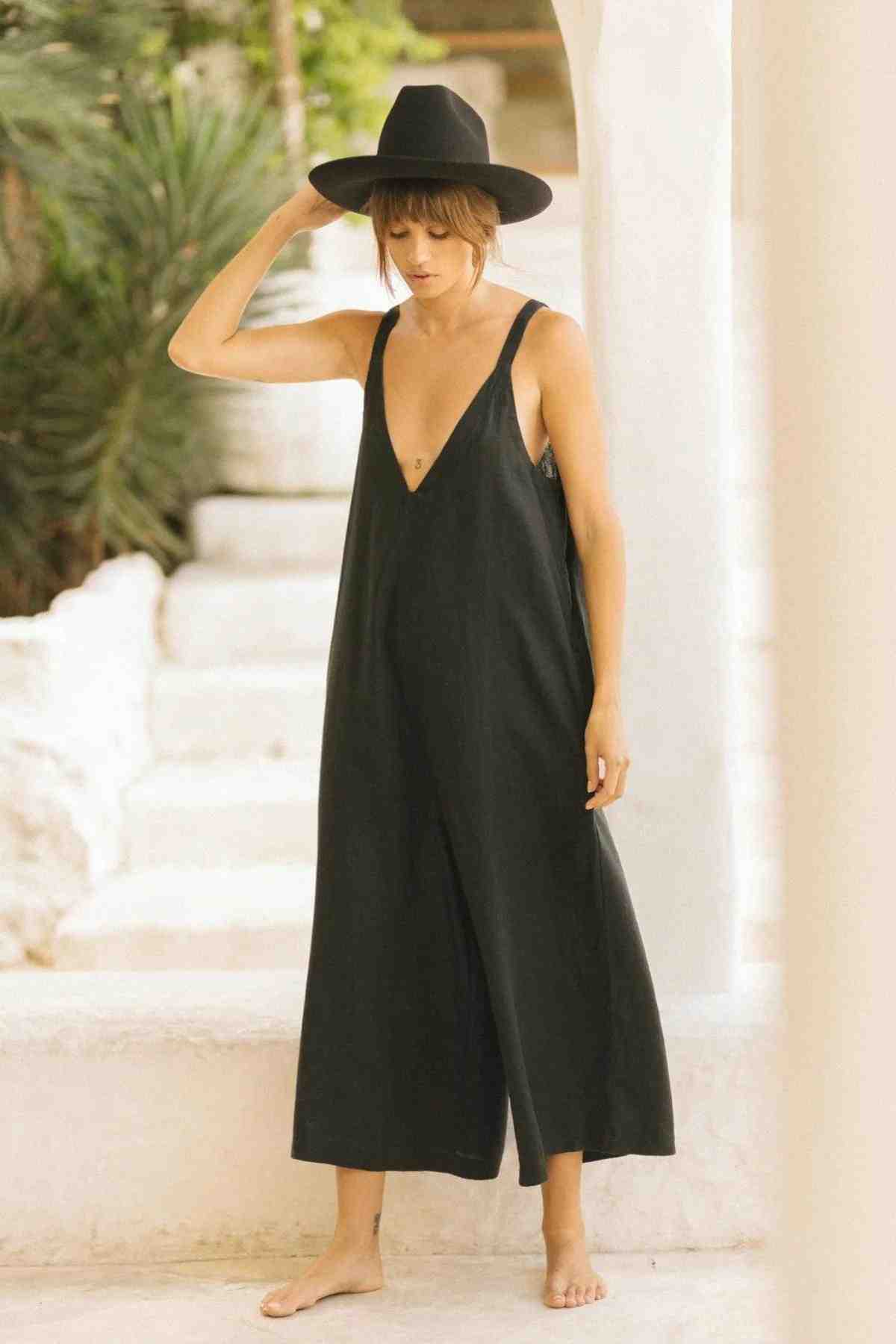
- The Kundalini Gown. Bamboo rayon, buttons from collarbone to ankle, deep side pockets. The one that works through pregnancy, through nursing, and through every ordinary morning after.
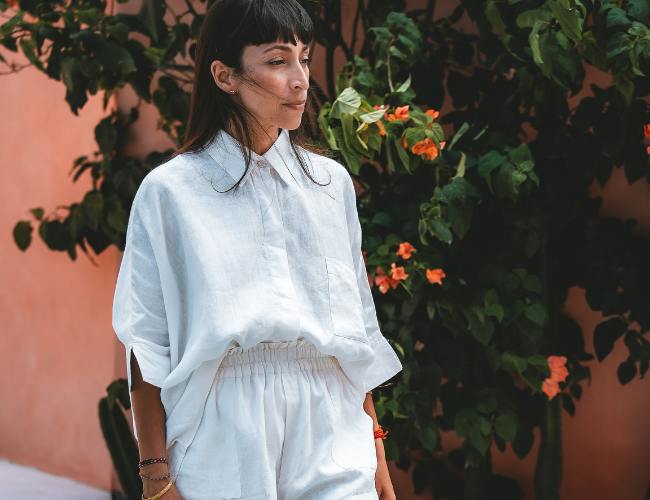
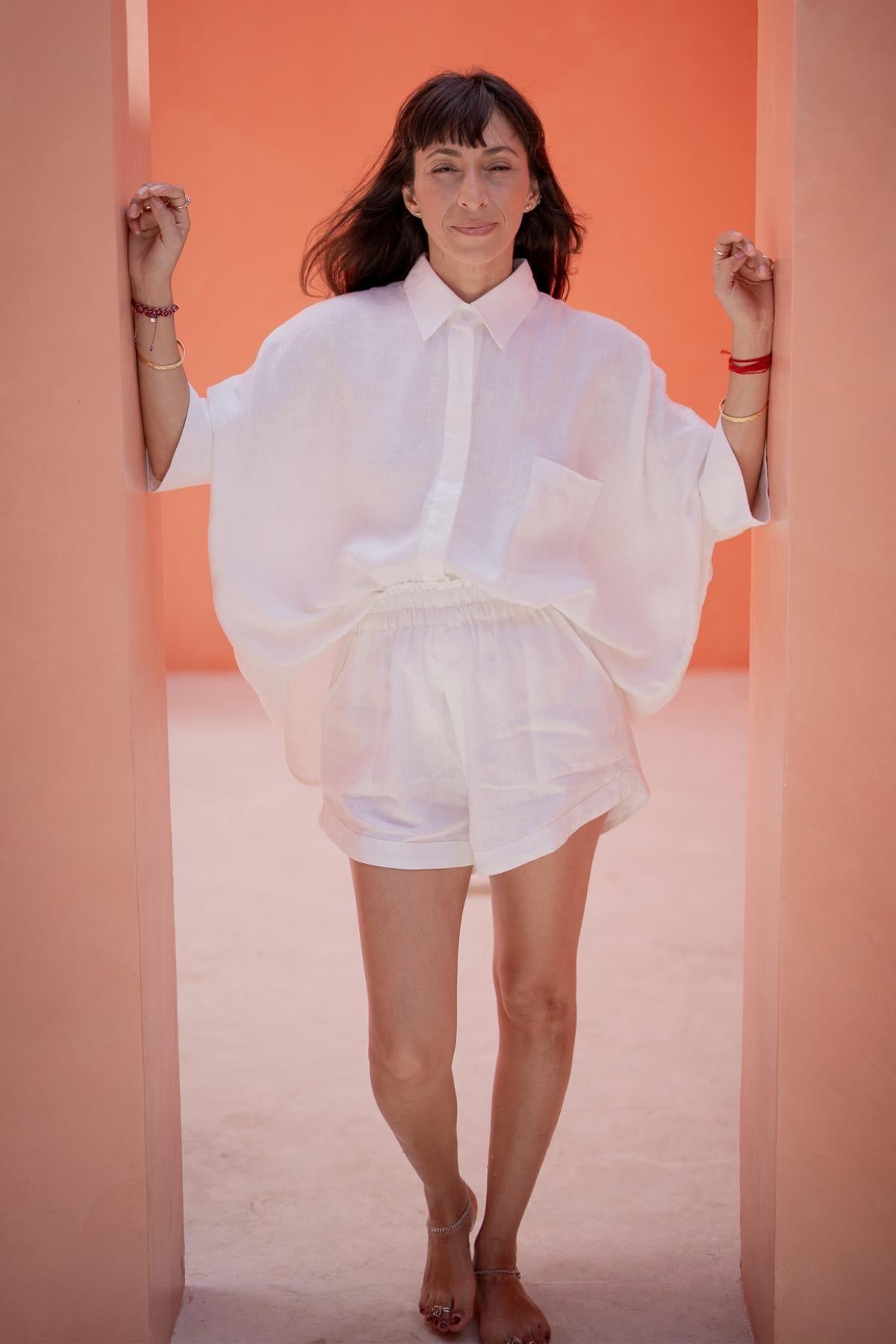
- La Dama. A hundred percent linen, collar and pocket detail, Renaissance in its bones. For the day you want the room to notice without being told to.
- The Florence Gown. Short or long, one fluid line. Named for Florence Nightingale, who walked into darkness carrying a light.
- The Venus Gown. Double-weave cotton with real weight to it. For dressing in devotion to yourself rather than for the occasion.
- The Dharma Gown Sleeveless. Open front, side pockets, botanically dyed in warm saffron and deep red. For wearing your practice.
The rest are in dresses and gowns, and how we make them is written out on our slow fashion page.
Frequently asked questions
What makes a dress slow fashion?
A small production run, a traceable natural fibre, a maker paid a living wage, and a cut with enough ease to survive a body that changes. It is a description of how the dress was made, not of how it looks.
What fabric should I look for in a slow fashion dress?
Linen, hemp, ramie, cotton or silk, at a hundred percent rather than blended with polyester. Look for a third-party certification such as OEKO-TEX Standard 100 rather than a brand describing itself as eco-conscious.
How much should a slow fashion dress cost?
Usually between one hundred and four hundred dollars, depending on the fibre and the amount of hand work. The better measure is cost per wear: a dress worn weekly for five years costs less in practice than a cheap one worn six times.
Why do slow fashion dresses take weeks to arrive?
Because they are made in small batches or to order after you place it, by hand. Ours take three to six weeks. The wait is the direct consequence of nobody holding a warehouse of unsold stock and nobody being asked to sew faster than they should.
Are one size dresses actually one size?
It depends on the cut. A one size dress with a wrap, a tie or a button front adjusts across a wide range and moves with a changing body. A one size dress with a fixed waist and no closure does not. Look at how the garment adjusts before you look at the label.
With love from Bali,
Myrah

|
A Piece for This Threshold The Kundalini Gown. Shop the Kundalini Gown → |
|
The Muse-Letter Dress for the woman you’re becoming. Join the Muse-LetterUnsubscribe any time. No spam, ever. |


Laisser un commentaire
Ce site est protégé par hCaptcha, et la Politique de confidentialité et les Conditions de service de hCaptcha s’appliquent.