



Why You Should Not Look at a Solar Eclipse: The Medical Reason and the Older One
It Does Not Hurt While It Happens
There are two reasons not to look at a solar eclipse, and they are not the same reason. The first is medical: staring at a partial eclipse burns the retina permanently, and because the retina has no pain receptors, you do not feel it happening. The second is older, and it is about what those hours are actually for.
I want to give you the first one properly before I give you the second, because they are often confused and only one of them will cost you your sight.

The medical reason, plainly
During a partial eclipse the sun is still ferociously bright, but the sky has dimmed enough that your pupils widen and your blink reflex does not fire. So you can look far longer than you ever normally could, while more light than usual pours onto the back of your eye.
What that light does is called solar retinopathy. It is a burn on the retina. And here is the part that matters most: the retina has no pain receptors. There is no warning, no sting, nothing to make you stop. The damage typically shows up hours later as a blur or a blind spot in the centre of your vision, and it can be permanent.
Certified eclipse glasses only. Not sunglasses, however dark. Not a phone camera. Not smoked glass, exposed film or a welding mask below shade 14. The only moment it is safe to look with bare eyes is during full totality, and only from inside that narrow path, and the instant the sun begins to return the glasses go back on.
A lunar eclipse is entirely different and completely safe. No glasses, no filters, look as long as you like.
What I watched happen
During the August 12 eclipse there were crowds in Spain treating it like a sporting event. Outside, phones up, cheering as it happened.
I understand the impulse. It is one of the rarest things a person can witness, and the wish to be part of something collective is a good instinct, not a foolish one.
But we stayed in, and I have thought about why ever since. It comes down to this. The sun is the source of our light, our warmth, our food, everything downstream of it. For a few minutes it goes out in the middle of the day. That is not a spectacle laid on for us. It is a reset, and it seemed strange to spend it filming.
The older reason
Nearly every ancestral tradition that noticed eclipses arrived at some version of the same instruction: do not go out and gaze at it. Stay in. Keep the day simple. Turn inward.
It would be easy to read that as fear of something they did not understand, and in some cases it was. But there is another reading, and I find it more persuasive. It is a capacity to respect something that cannot be fully seen. Not everything is a viewing opportunity. Some things are better met with your eyes closed.
In several yogic and Vedic lineages the practice is to spend the eclipse hours in sadhana, in meditation or mantra rather than activity, and to keep food and routine light and simple across the surrounding fortnight. Not because harm arrives at the moment of the eclipse, but because things begun in that window tend not to unfold the way you expect.
What we did instead, and what came of it
We sat inside and meditated. I will tell you honestly that I have rarely gone that deep. Something about the quality of those particular minutes.
And afterwards there was a clarity that had not been there in the morning. Projects we had been trying to finish for months, with no idea how to finish them, suddenly showed their next move. Things we had been circling for a long time found some support from somewhere.
That is what an eclipse seems to do. It does not hand you something. It takes something out, and in the gap that leaves you can finally see what you were standing too close to.
How to spend the hours
- Stay in if you can, and keep the day plain. Simple food, less scrolling, fewer decisions
- Sit for as long as you have. Twenty minutes is enough. This is the one window where I would clear the calendar rather than fill it
- Meditate on what you are ready to release rather than what you want to call in
- If you do go out for a solar eclipse, certified glasses, no exceptions, and none for children without an adult checking the fit
- Write down anything that arrives, and read it a fortnight later
The spiritual work here is closer to purification than to acquisition. You cannot really call something in while you are still holding everything you were already carrying.
Frequently asked questions
Why can you not look at a solar eclipse?
Because the sun remains intensely bright while the dimmed sky causes your pupils to widen and suppresses your blink reflex, so more light than usual reaches the retina for longer. This causes solar retinopathy, a retinal burn that can be permanent.
Does looking at an eclipse hurt?
No, and that is precisely the danger. The retina has no pain receptors, so there is no sensation to warn you. Symptoms such as blurred vision or a central blind spot usually appear hours afterwards.
Are sunglasses enough to watch a solar eclipse?
No. Ordinary sunglasses, however dark, do not filter enough light and offer no protection. Only certified eclipse glasses or handheld solar viewers are safe, along with indirect methods such as pinhole projection.
Is it safe to look at a lunar eclipse?
Yes, completely. A lunar eclipse involves only reflected moonlight and is safe with the naked eye, binoculars or a telescope. No protection is needed.
Why do ancient traditions say not to watch an eclipse?
Many traditions advise staying indoors and turning inward, treating the hours as time for meditation, quiet and simplicity rather than activity or observation. The reasoning varies by culture, but the shared instruction is to respect rather than spectate.
What should you do during a solar eclipse instead?
Keep the day simple and spend the hours in stillness. Meditation, quiet reflection and light food are the traditional guidance, along with avoiding launches, major decisions and intention setting until the eclipse window closes.
You are allowed to be curious. Curiosity is not the problem, and I would never tell you to be frightened of the sky.
Just know which of the two reasons you are honouring. One of them protects your eyes. The other protects something harder to name.
With love from Bali,
Myrah
|
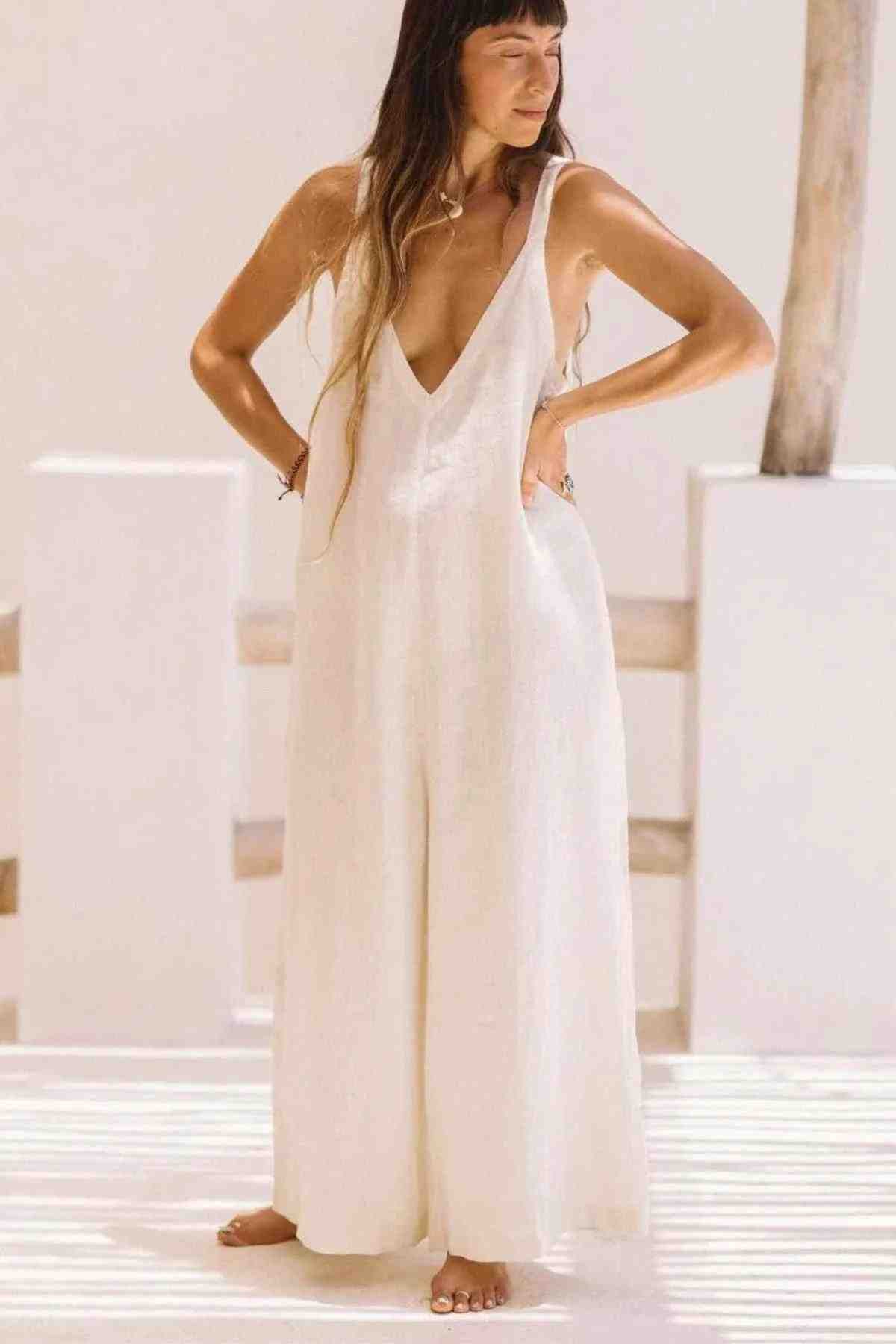
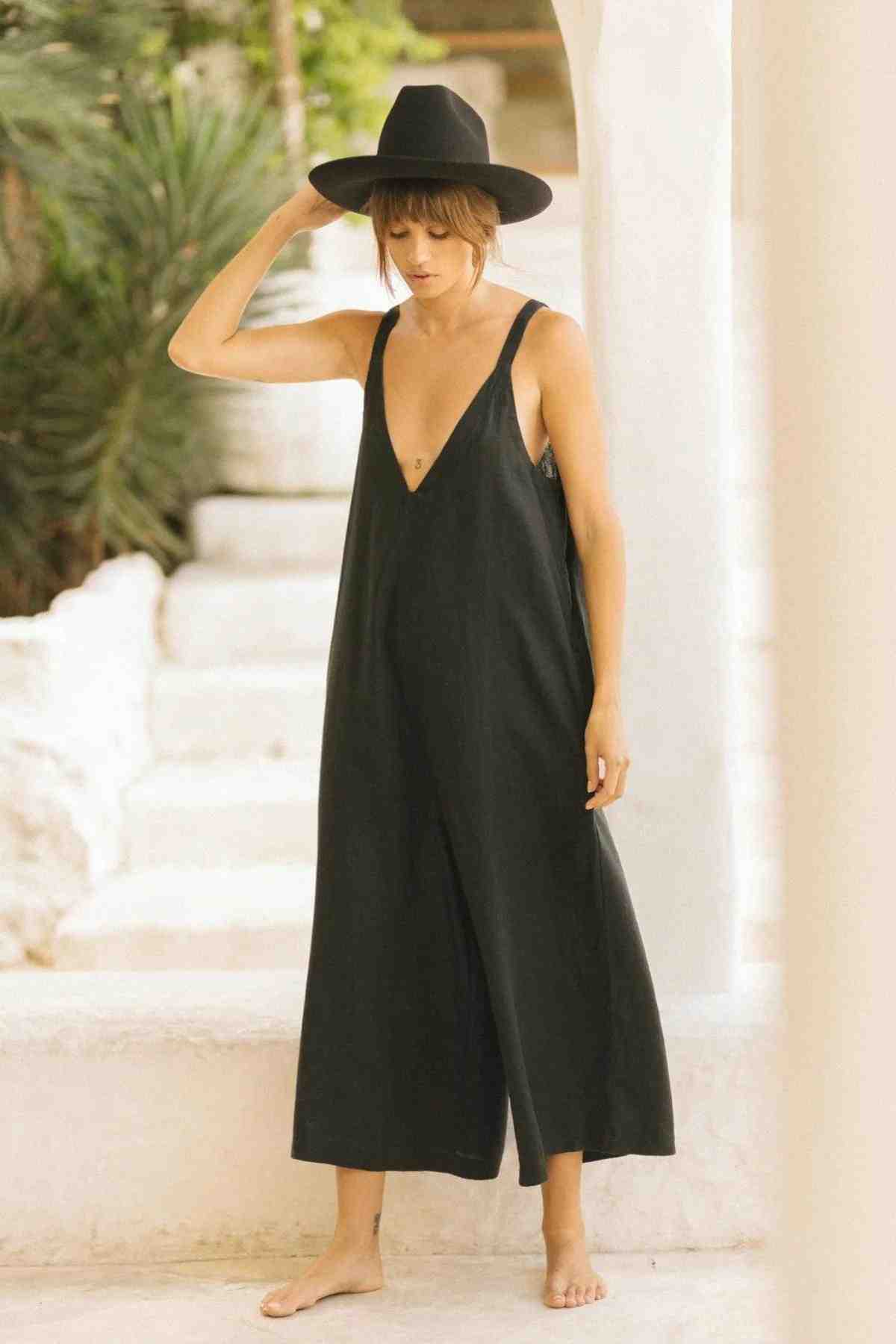
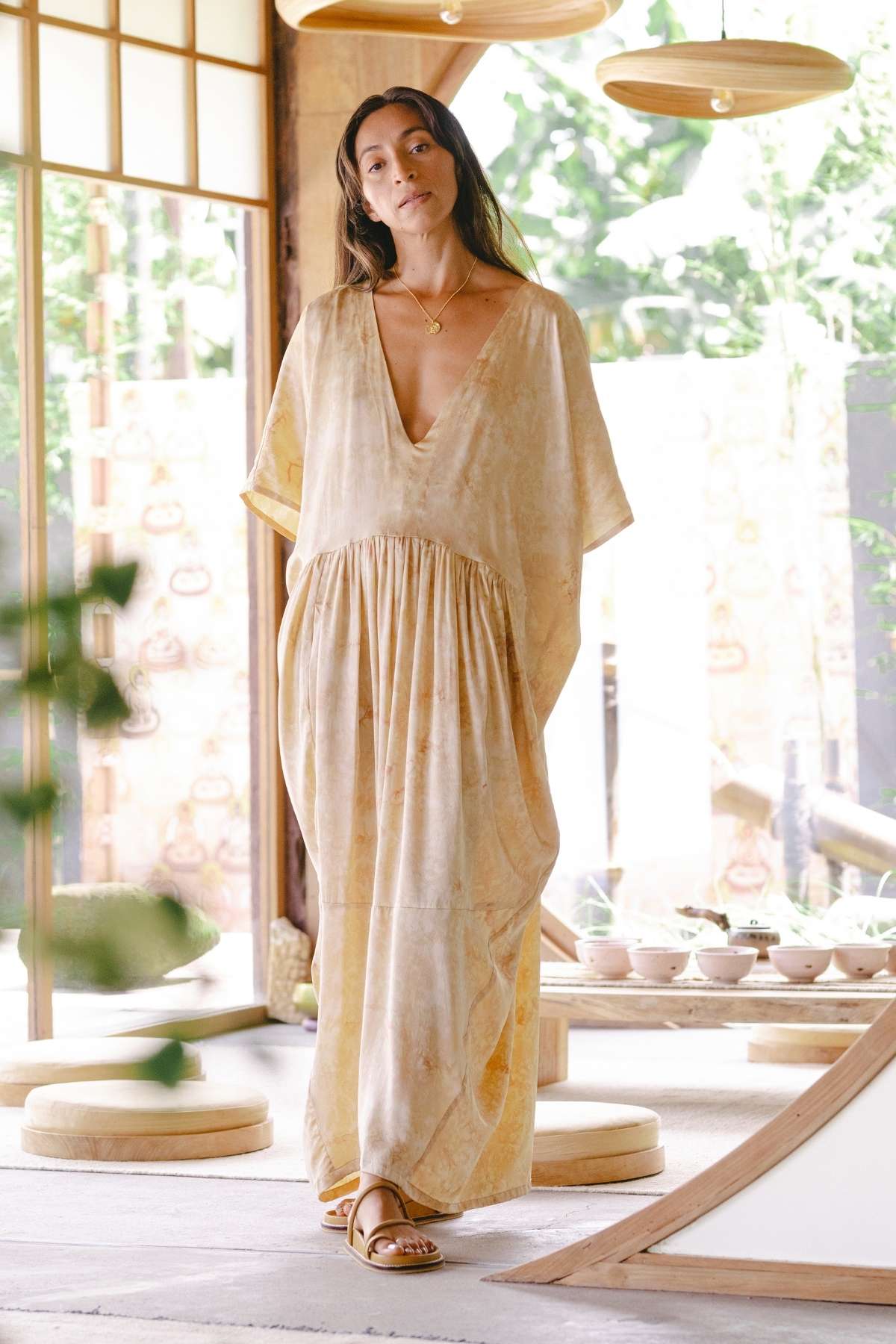
A Piece for This Threshold The Kundalini Gown Original. Shop the Kundalini Gown → |
|
The Muse-Letter Dress for the woman you're becoming. Join the Muse-LetterUnsubscribe any time. No spam, ever. |











Laisser un commentaire
Ce site est protégé par hCaptcha, et la Politique de confidentialité et les Conditions de service de hCaptcha s’appliquent.