What slow fashion actually means
Slow fashion is clothing made in small quantities, by people paid properly, from materials chosen to last, at a pace the work actually requires. It is the opposite of fast fashion, which is built on speed, volume and a price that somebody further down the line is paying. The word is not protected. Any brand may use it. Which is why the useful question is not whether a label says slow fashion, but whether the brand can answer six specific questions about how a garment was made.
Here are the six, and what a real answer sounds like.

Where the phrase came from
The term was coined by the designer and researcher Kate Fletcher in 2007, borrowed from the slow food movement that had begun in Italy two decades earlier. Slow food was never really about eating slowly. It was about knowing where the food came from, who grew it, and what the growing cost them. Slow fashion asks the same three questions of cloth.
It is worth being precise about what the word does not mean. It does not mean expensive. It does not mean linen and neutral colours, though the aesthetic has attached itself to the phrase. It does not mean a brand that posts about its values. Slow fashion is a description of a production method, and a production method leaves evidence.
The six questions
1. Who made this, and where do they work?
A brand practising slow fashion knows the answer specifically. Not the country. The workshop, or the home, or in our case both. Our pieces are made by around thirty Balinese artisan families, working in their own homes and in small workshops they own themselves in and around Pererenan, never a factory. When a brand answers this with a country name and nothing more, that is not an answer. It is a shipping address.
2. What are they paid, and who decided it?
This is the question that separates the practice from the marketing, and it is the one most often left unanswered. Ask it directly. A living wage is not the legal minimum, and a brand that conflates the two is telling you something. Ask who set the number, and whether the makers had any say in it.
3. How many of these exist?
Small batches and made-to-order are the structural heart of slow fashion, because they are what makes overproduction impossible. A brand releasing hundreds of new styles a month is not making them slowly, whatever the fabric. Scarcity here is not a tactic. It is arithmetic: thirty families can only make so much in a week, and we would rather you wait than ask them to work faster.
4. What is it actually made of, and can you prove it?
Fibre content is on the label. Certification is the part that is checkable. Our linen carries OEKO-TEX Standard 100, which confirms the finished fabric is free from harmful substances, and our lighter colourways carry European Flax, which traces the flax back to fields in France, Belgium or the Netherlands grown without irrigation or GMOs. Those are third-party standards with published criteria. A brand using words like eco-conscious with no certification behind them is describing a feeling.
5. What happens to the colour?
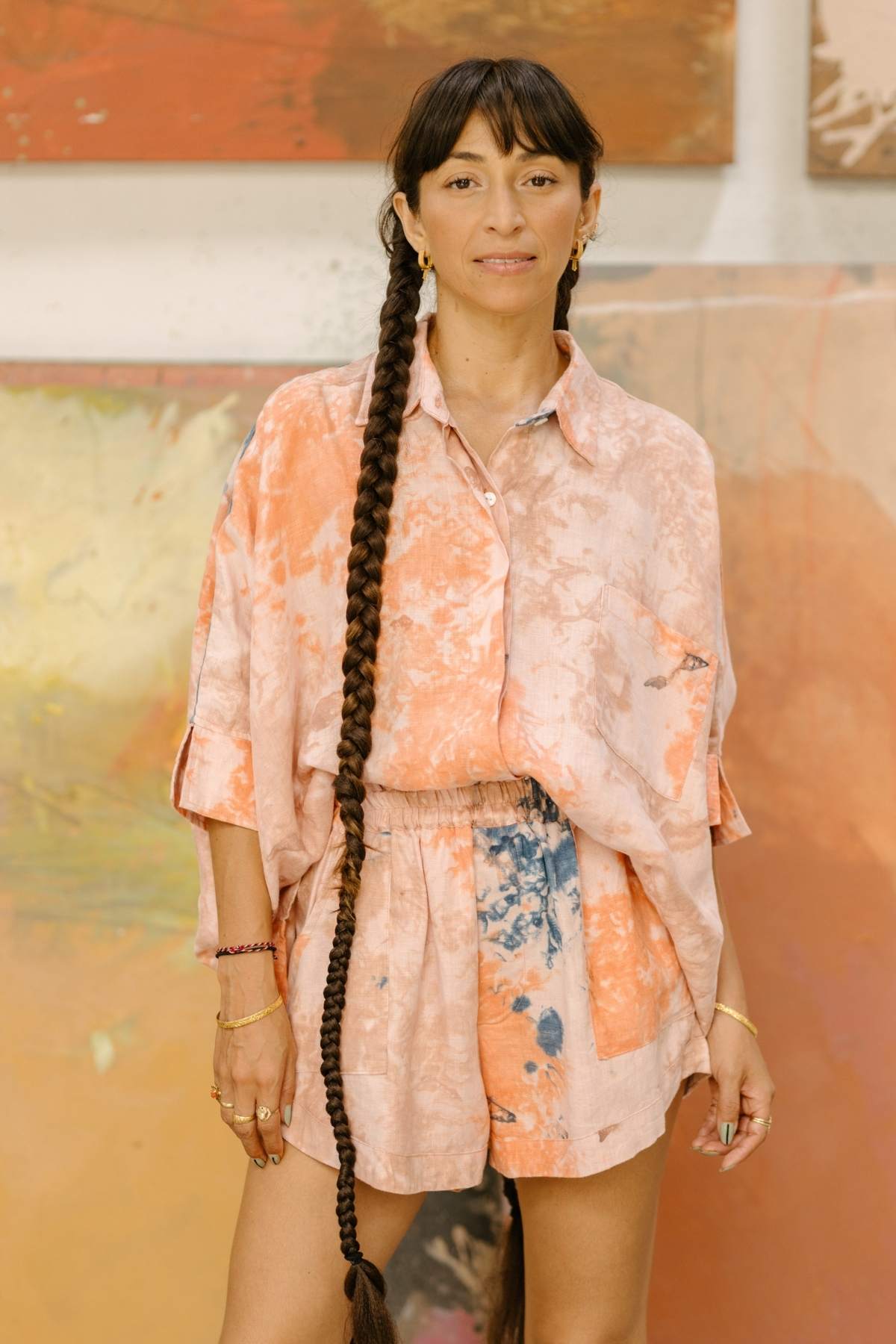
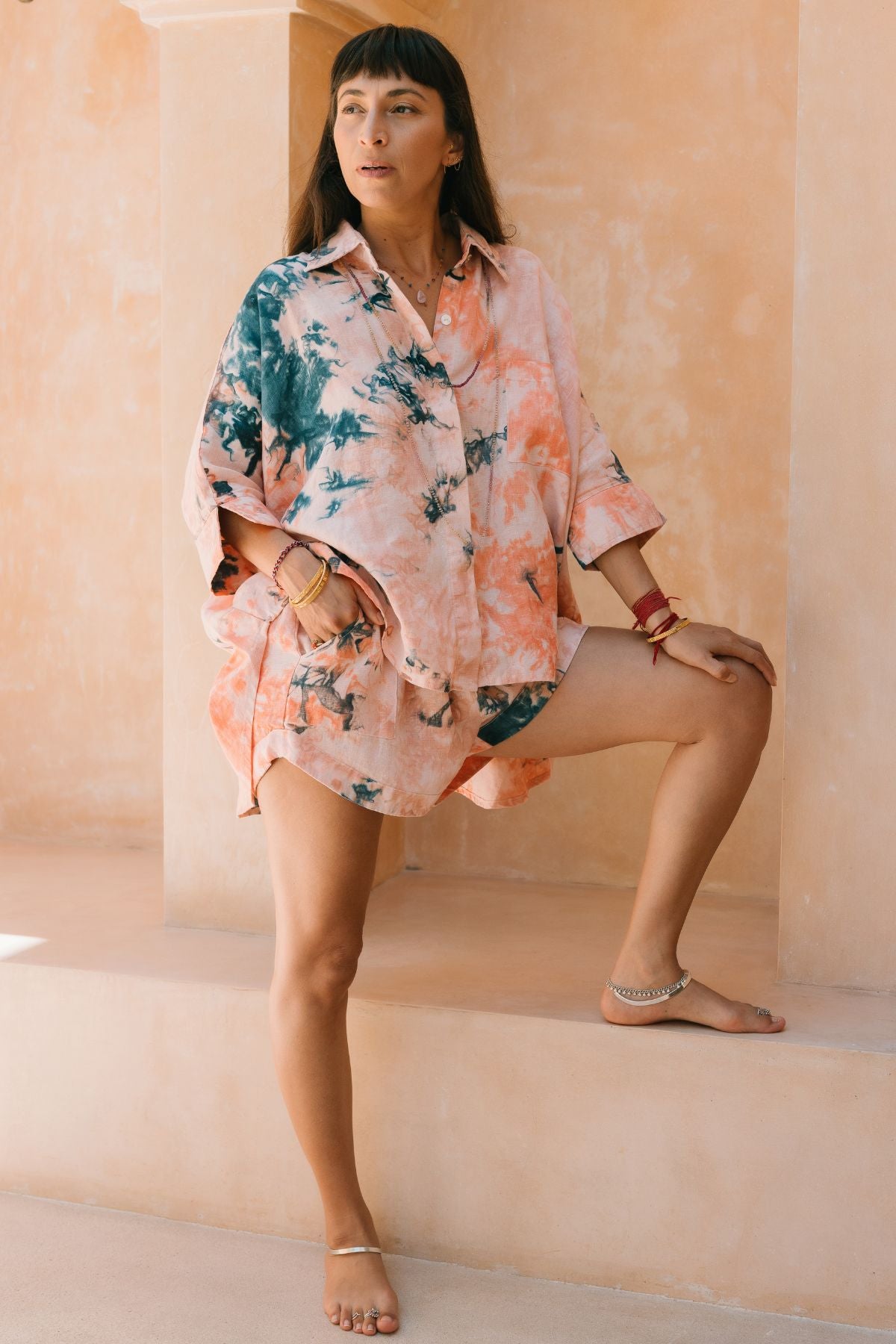
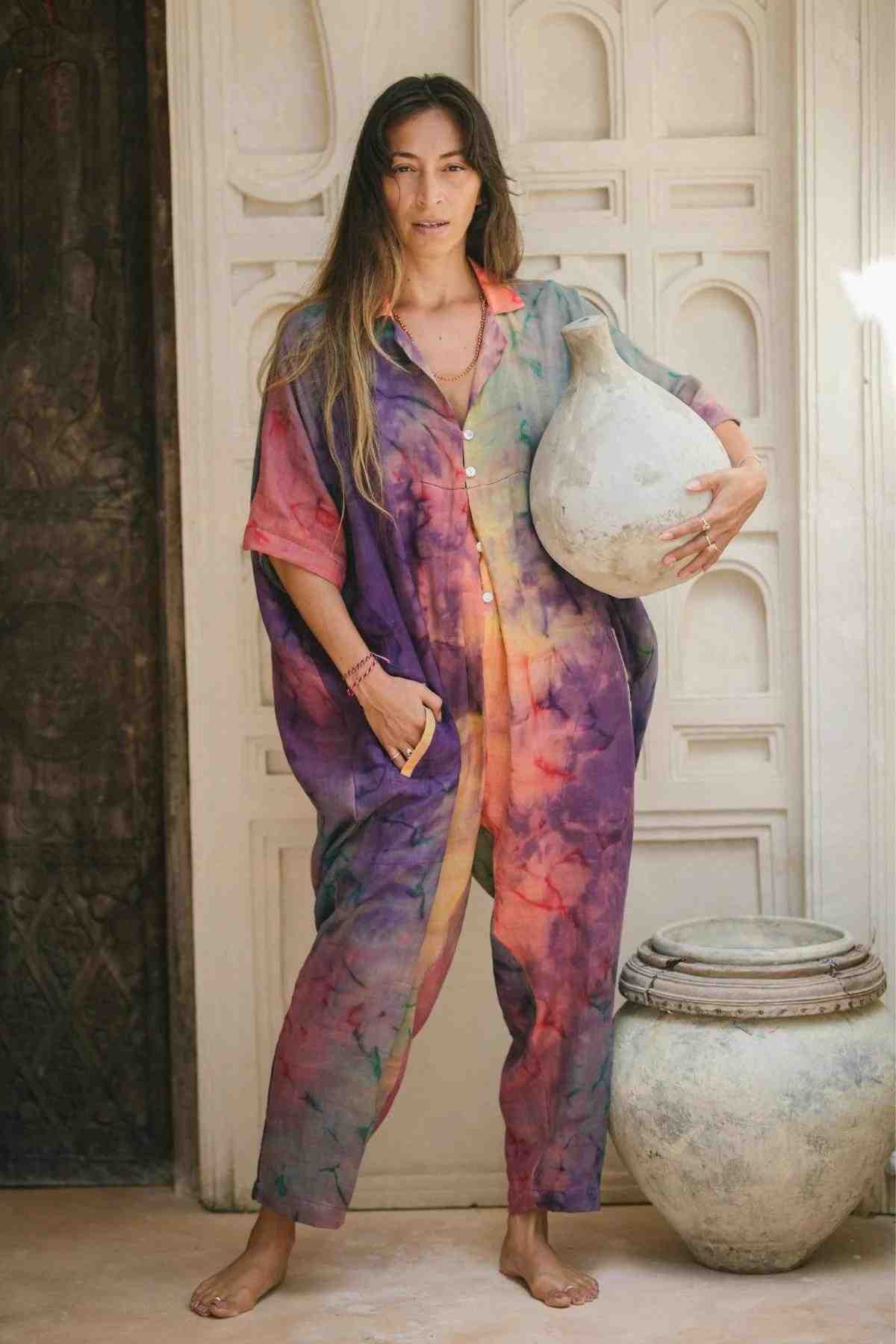
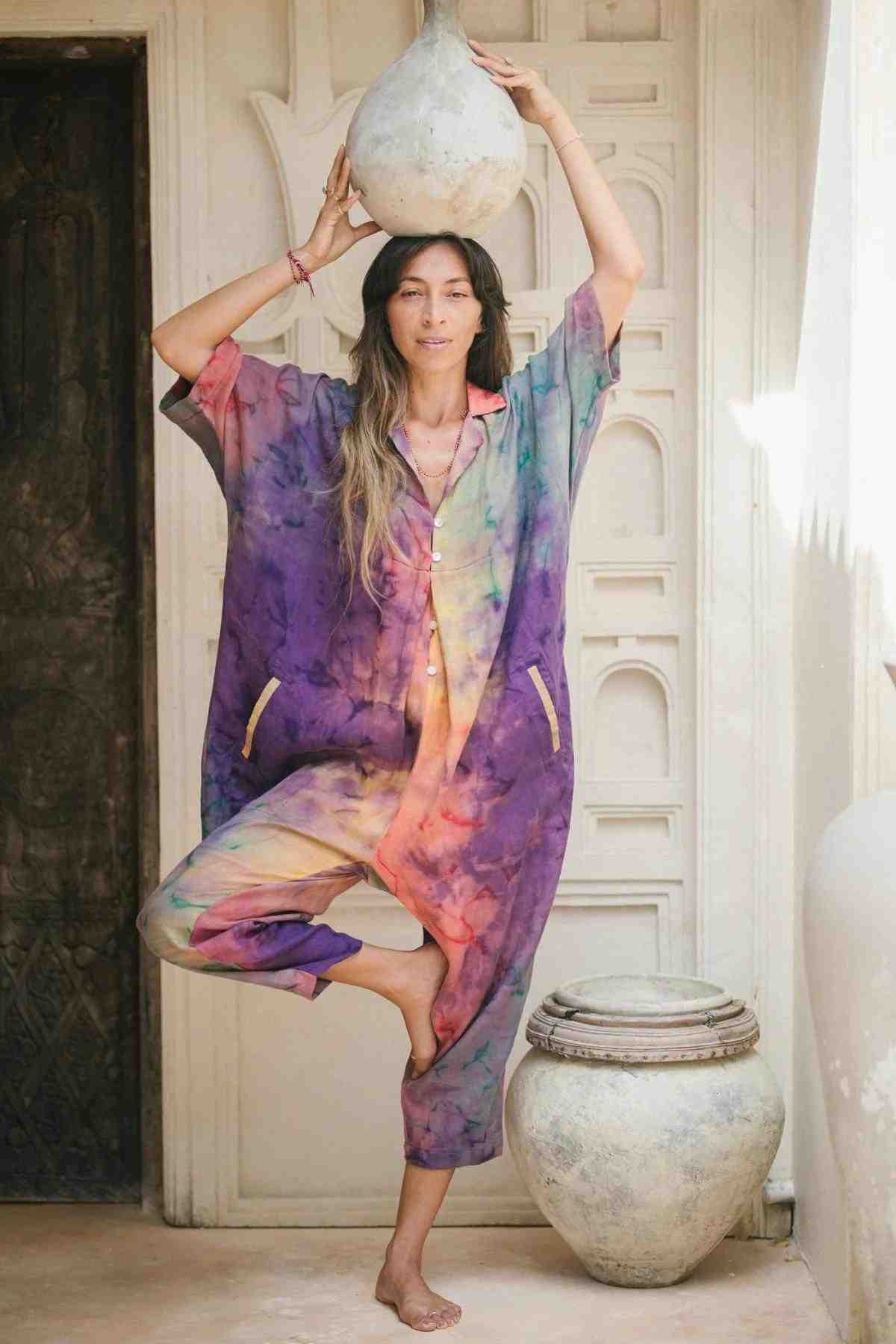
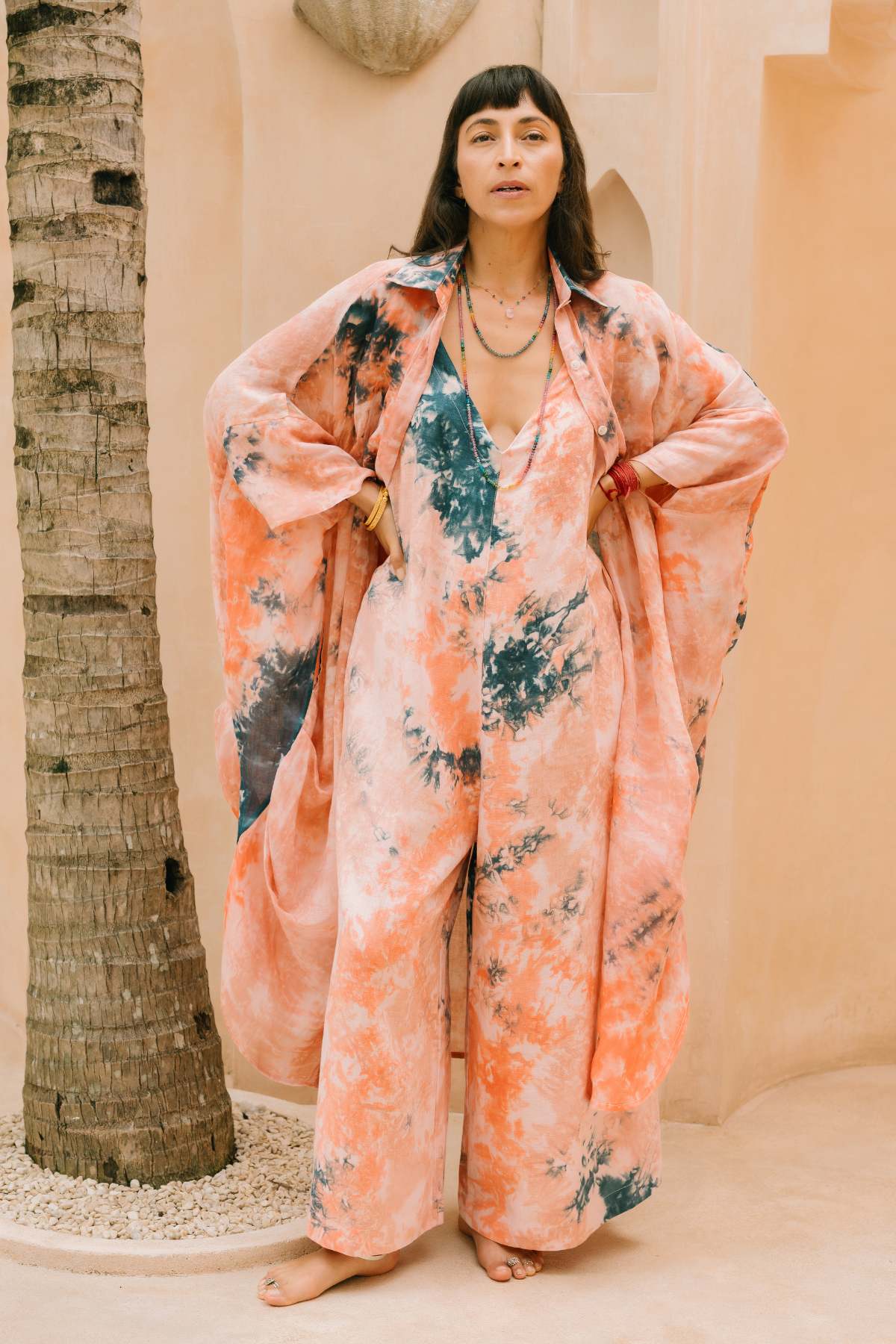
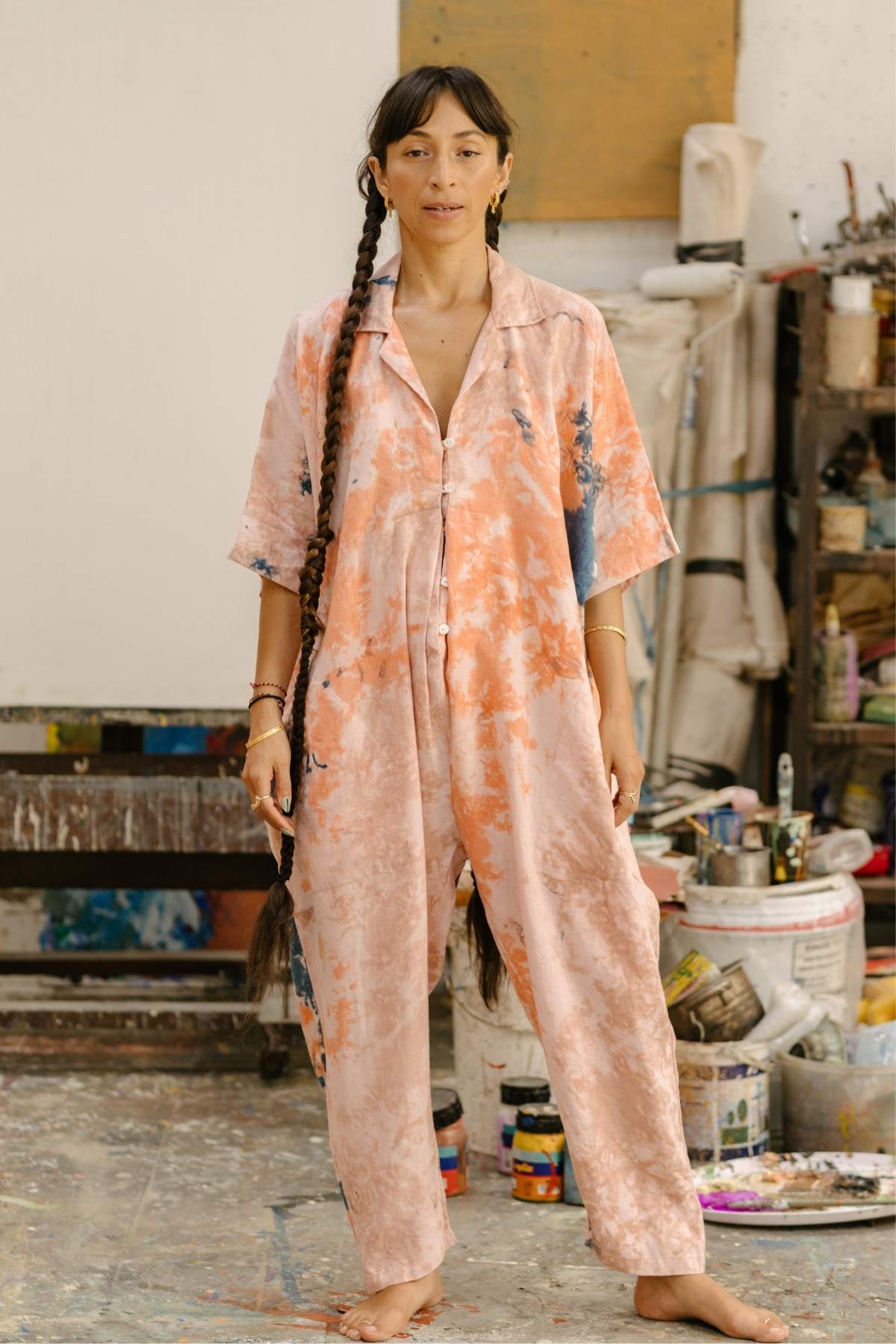
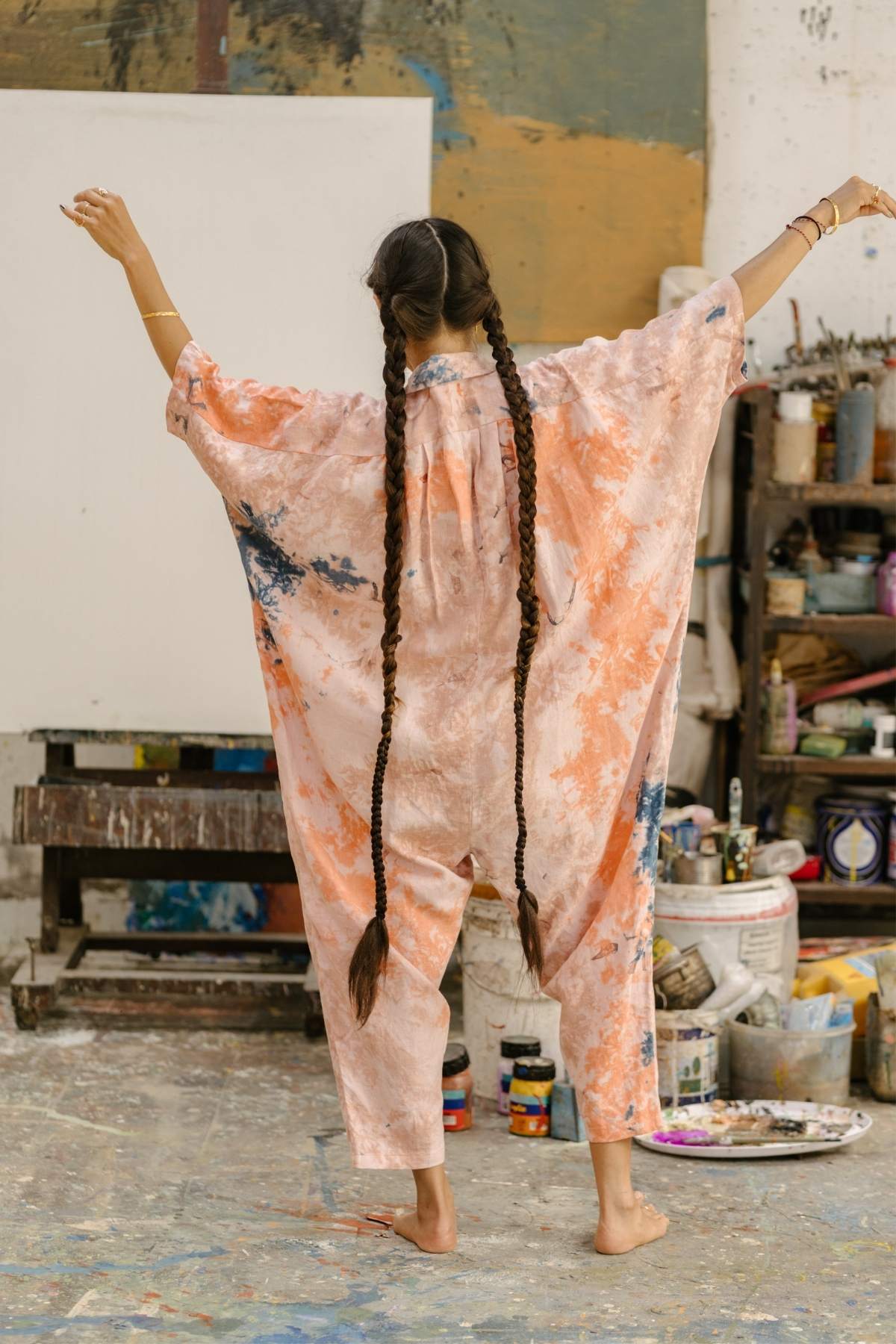
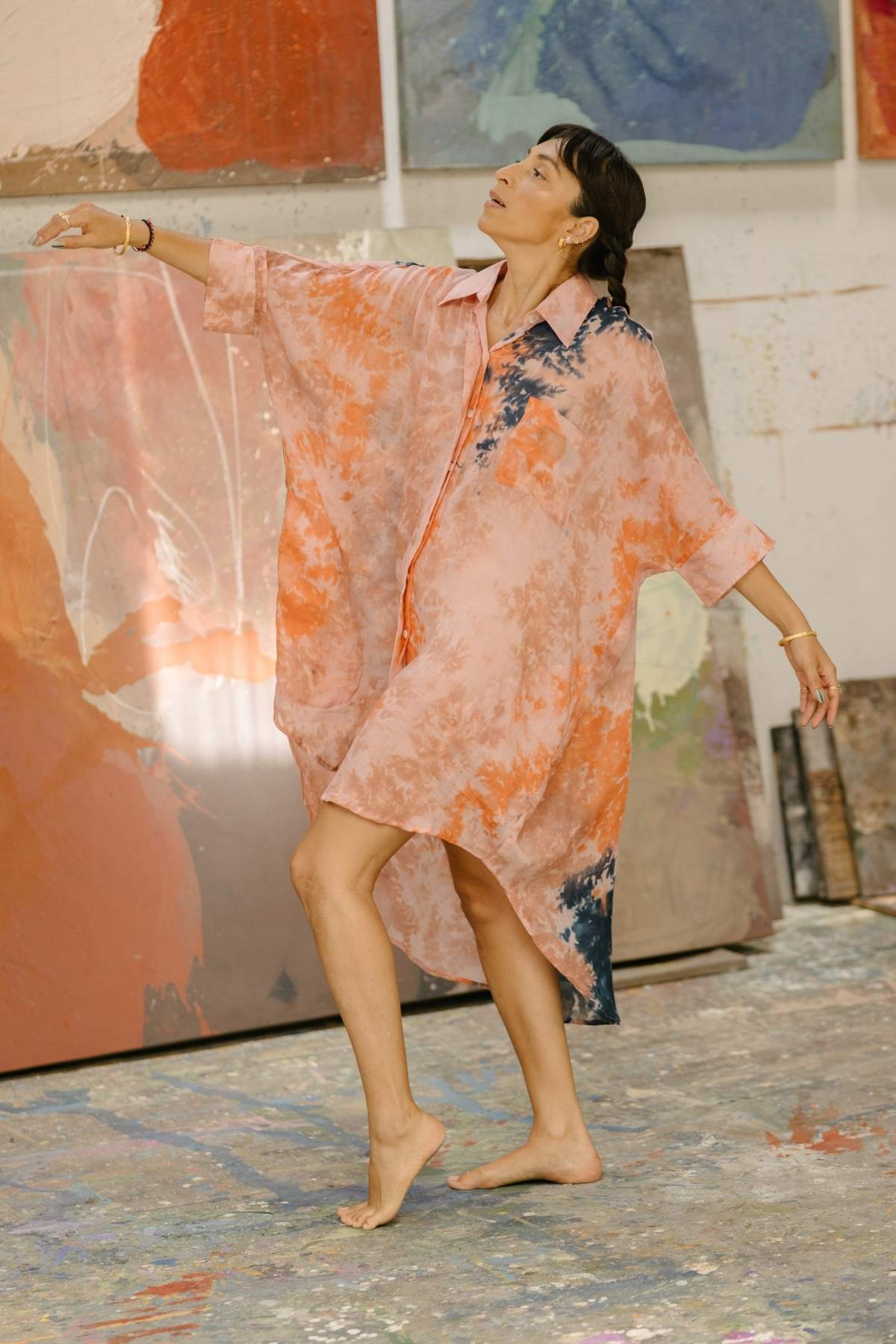
Conventional dyeing is one of the most polluting stages in garment production, and it is invisible on the finished piece. Botanical dyeing is slower, less consistent, and physically harder. Our Uluwatu Sunset colourway spends five to seven days in the dye before a single seam is sewn, and no two batches come out identical. If a brand's colours are perfectly uniform across every drop, that tells you which method they chose.
6. How long is this meant to last?
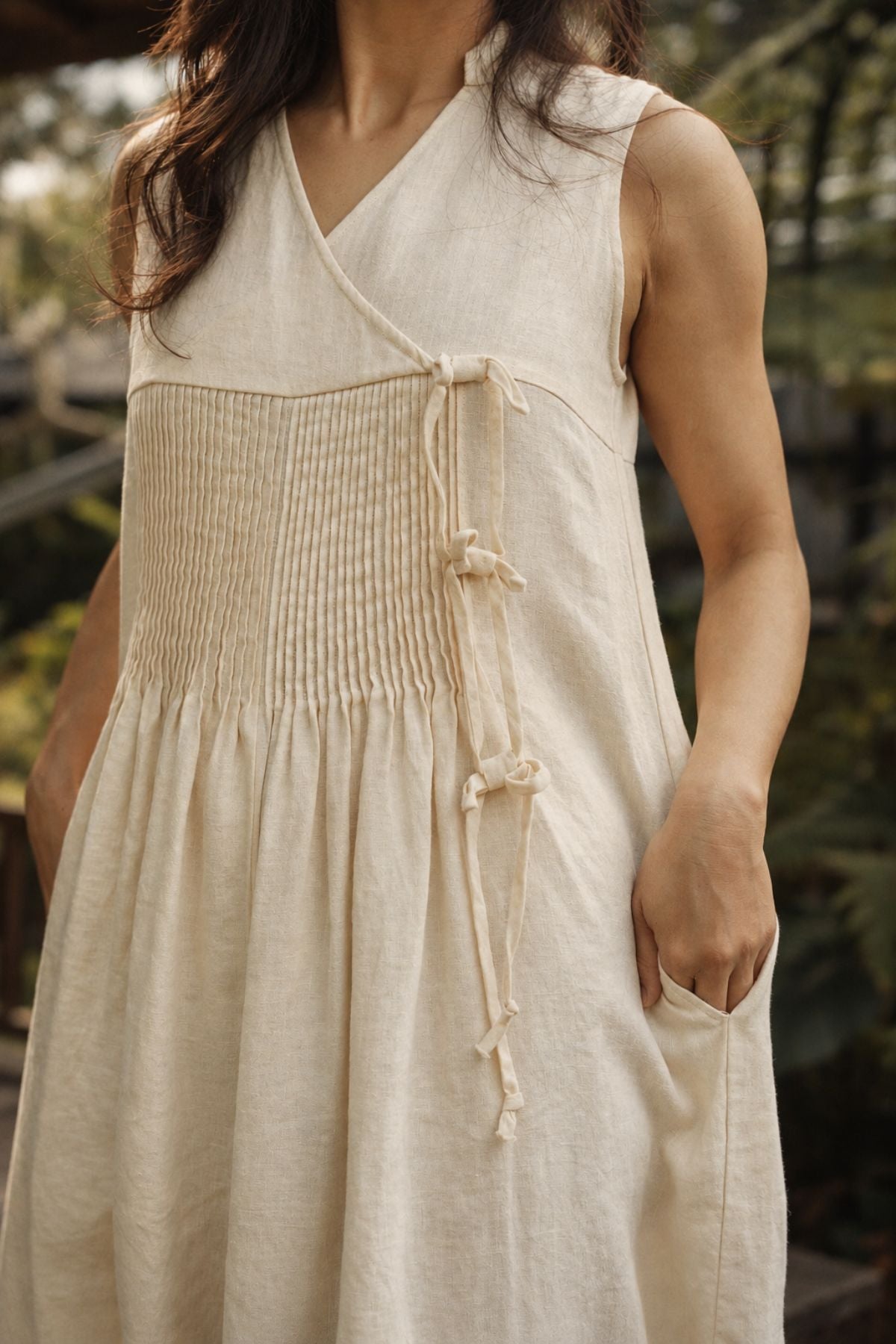
Not the marketing answer. The construction answer. Seam finishing, fabric weight, whether the piece is cut with enough ease to survive a body that changes. A garment designed to be worn for ten years is cut differently from one designed to be worn for ten wears, and the difference is visible if you turn it inside out.
Fast fashion, and what the price is actually covering
A dress can be made and sold for twenty dollars. That is not in dispute. What is worth sitting with is the arithmetic underneath it. Out of that twenty, a retailer takes a margin, a brand takes a margin, shipping takes a cut, the fabric costs something, and whatever remains is divided between the people who cut and sewed it. There is no version of that sum where the last group is paid well.
The price of a slow-made garment is not a premium added on top. It is the same arithmetic run without anybody absorbing a loss at the bottom of it.
How to build a wardrobe this way without starting over
The most common thing we hear is that slow fashion feels out of reach, and that is a fair thing to feel if you imagine replacing everything at once. Nobody does it that way, and doing it that way would defeat the point.
- Wear what you already own. The most responsible garment in the world is the one already in your wardrobe. Nothing you buy beats it.
- When something wears out, replace it once, properly. One piece a year, chosen carefully, changes a wardrobe within five.
- Choose the pieces you reach for most. A slip you wear weekly earns its price. A gown for one occasion does not, however beautiful.
- Buy for the body you have on an ordinary Tuesday, not the one you are planning to have.
- Learn to wash things properly. Most garments die of laundry, not wear.
What we do, said plainly
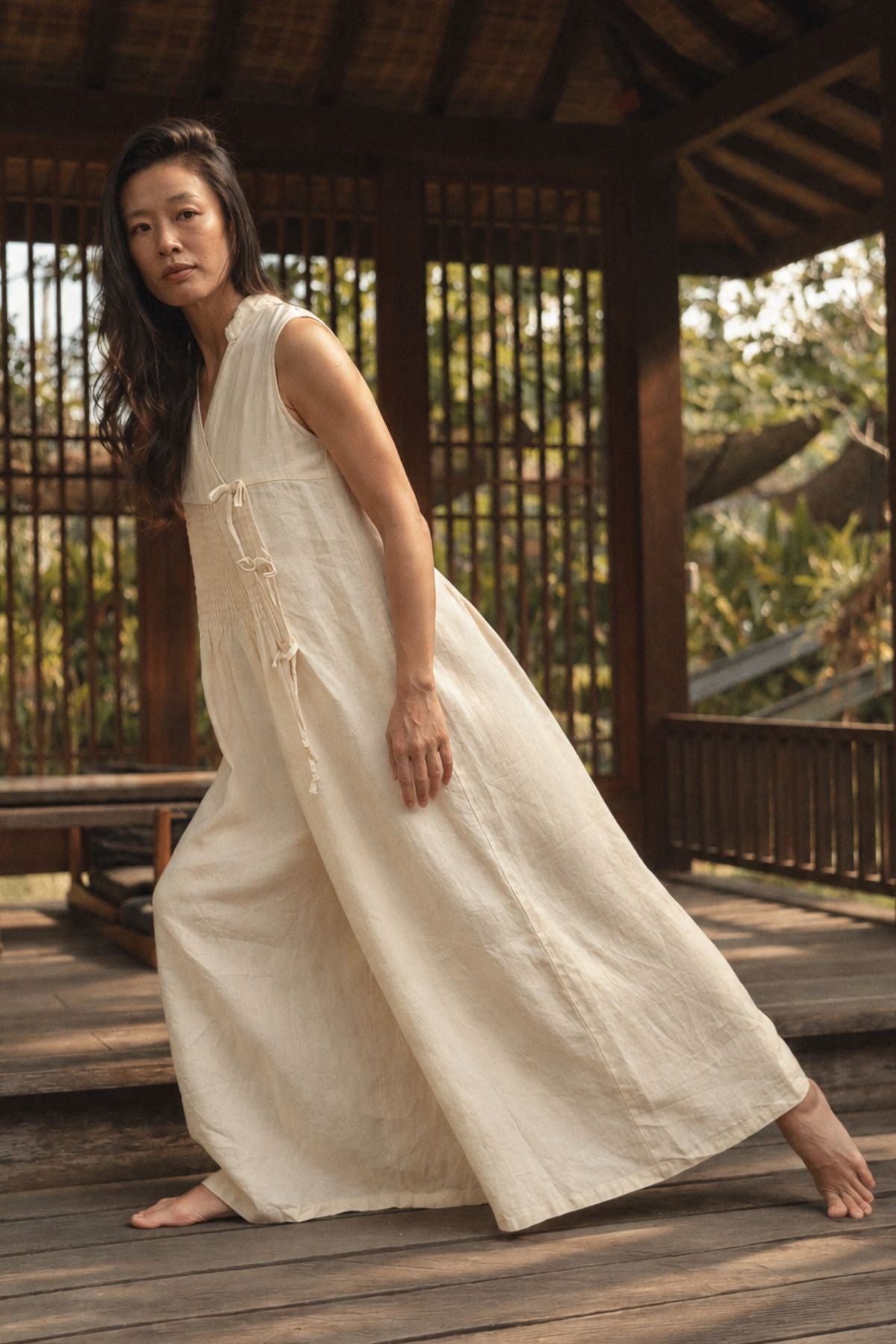
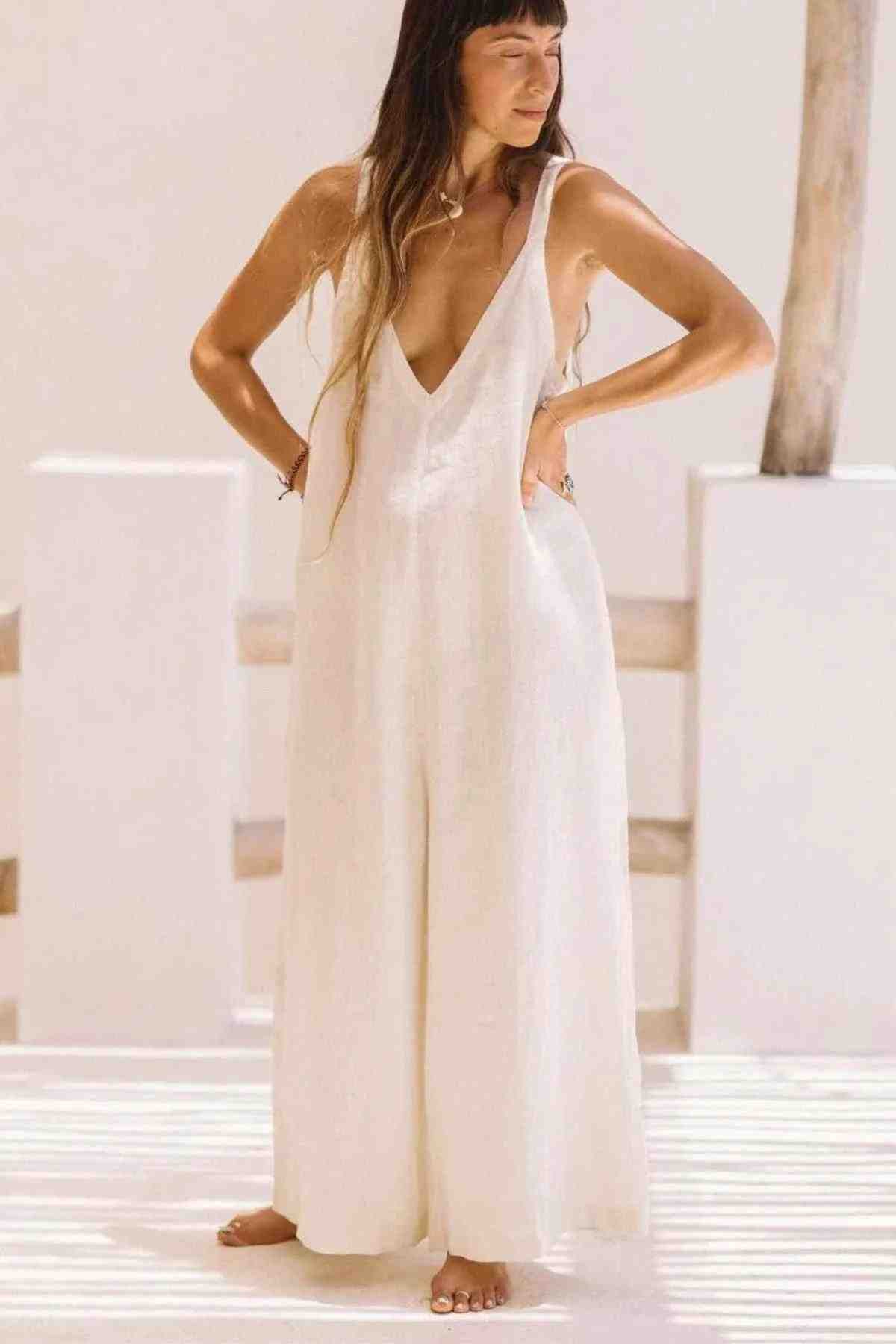
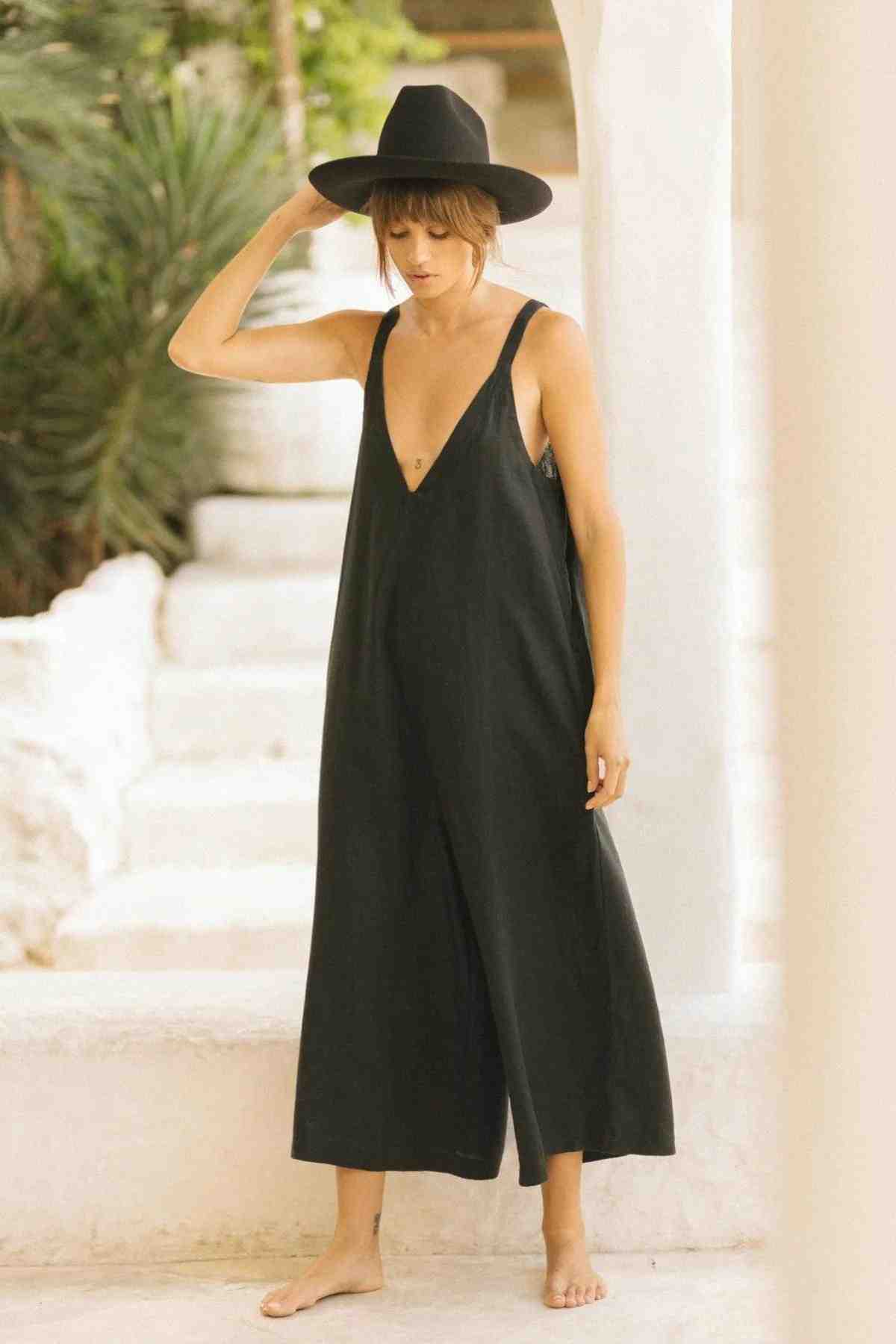
We make everything in Bali, in the homes and small workshops of around thirty artisan families we have worked with for years. Made to order, or in small batches. Around 95% of what we make is certified sustainably sourced linen and organic cotton, and where a piece is not one hundred percent of a single fibre, such as the small amount of elastane in our jeans, the composition says so. Never polyester. Plastic-free packaging since 2020. Botanical dyeing for our colourways, which is why the Rainbeau pieces never repeat exactly. Lead times of three to six weeks, sometimes longer, because that is how long the work takes.
We would rather tell you the lead time honestly than pretend it away. Waiting for something is not a flaw in the model. It is the model. You can read the whole of it on our slow fashion page, and see what it produces across the dresses and gowns.
Frequently asked questions
What is slow fashion in simple terms?
Clothing made in small quantities, by people paid a living wage, from materials chosen for longevity, at the pace the work genuinely takes. It is defined by how a garment is produced rather than by how it looks.
What is the difference between slow fashion and fast fashion?
Fast fashion is built on speed and volume: many new styles, made quickly, at a price kept low by paying very little somewhere in the chain. Slow fashion limits quantity, extends the timeline, and puts the cost back into materials and wages. One optimises for turnover. The other optimises for the garment lasting.
Is slow fashion the same as ethical or sustainable fashion?
They overlap but are not identical. Ethical fashion concerns how people are treated. Environmental claims concern materials, water, dye and waste. Slow fashion is about pace and quantity, which usually improves both, but a brand can make a small run of a badly-made synthetic garment and still call it slow. Ask the six questions rather than trusting the label.
Why is slow fashion more expensive?
Because the price includes things fast fashion prices exclude: a living wage for the maker, certified fabric, dyeing that does not poison a river, and a small enough run that nothing is produced to be destroyed unsold. It is not a premium added on top. It is the honest total.
How do I know if a brand is really practising slow fashion?
Ask who made the garment and where, what they are paid, how many were made, what the fabric is certified to, how it was dyed, and how long it is built to last. A brand practising it will answer specifically. A brand using the phrase as decoration will answer with adjectives.
With love from Bali,
Myrah
|
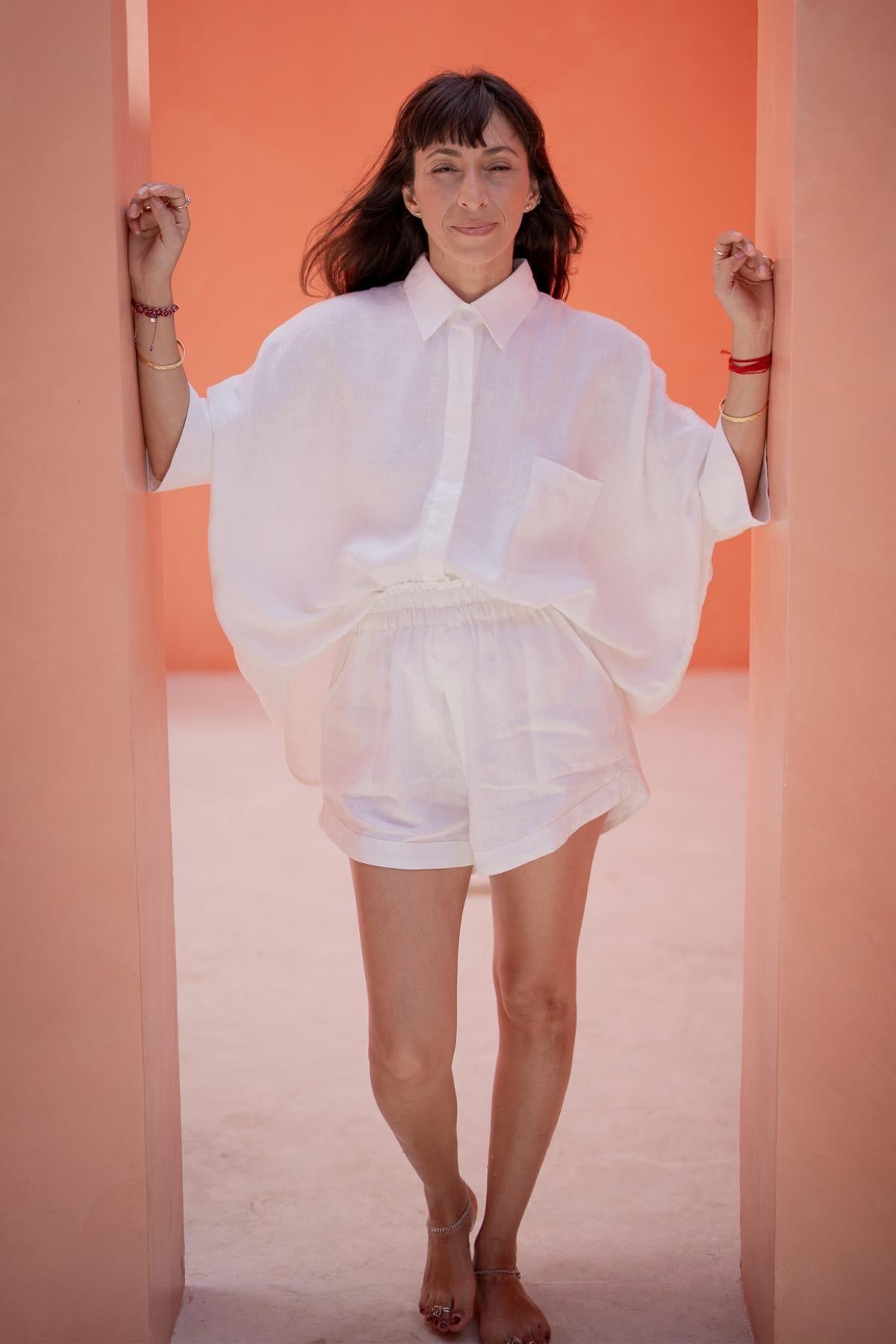
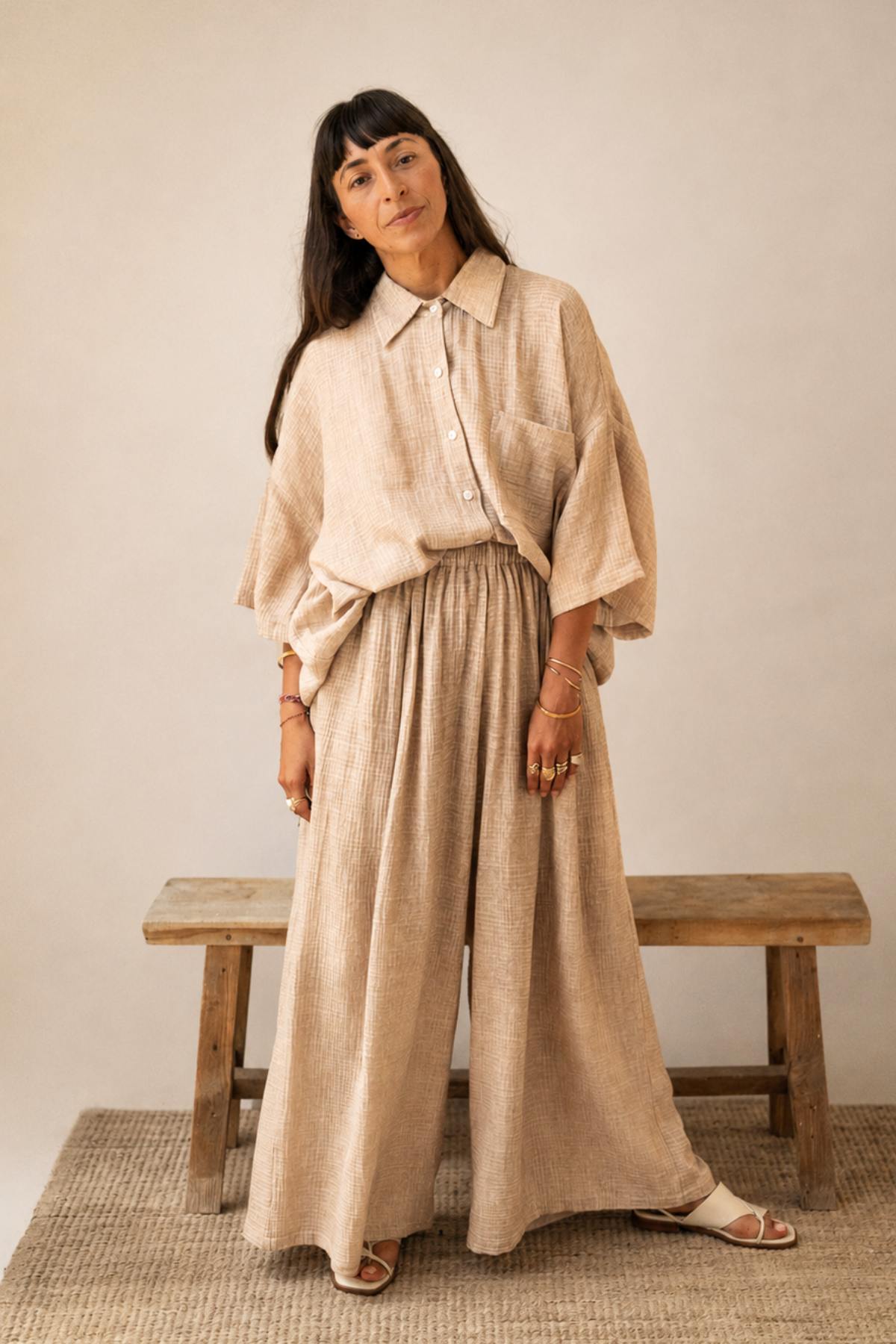
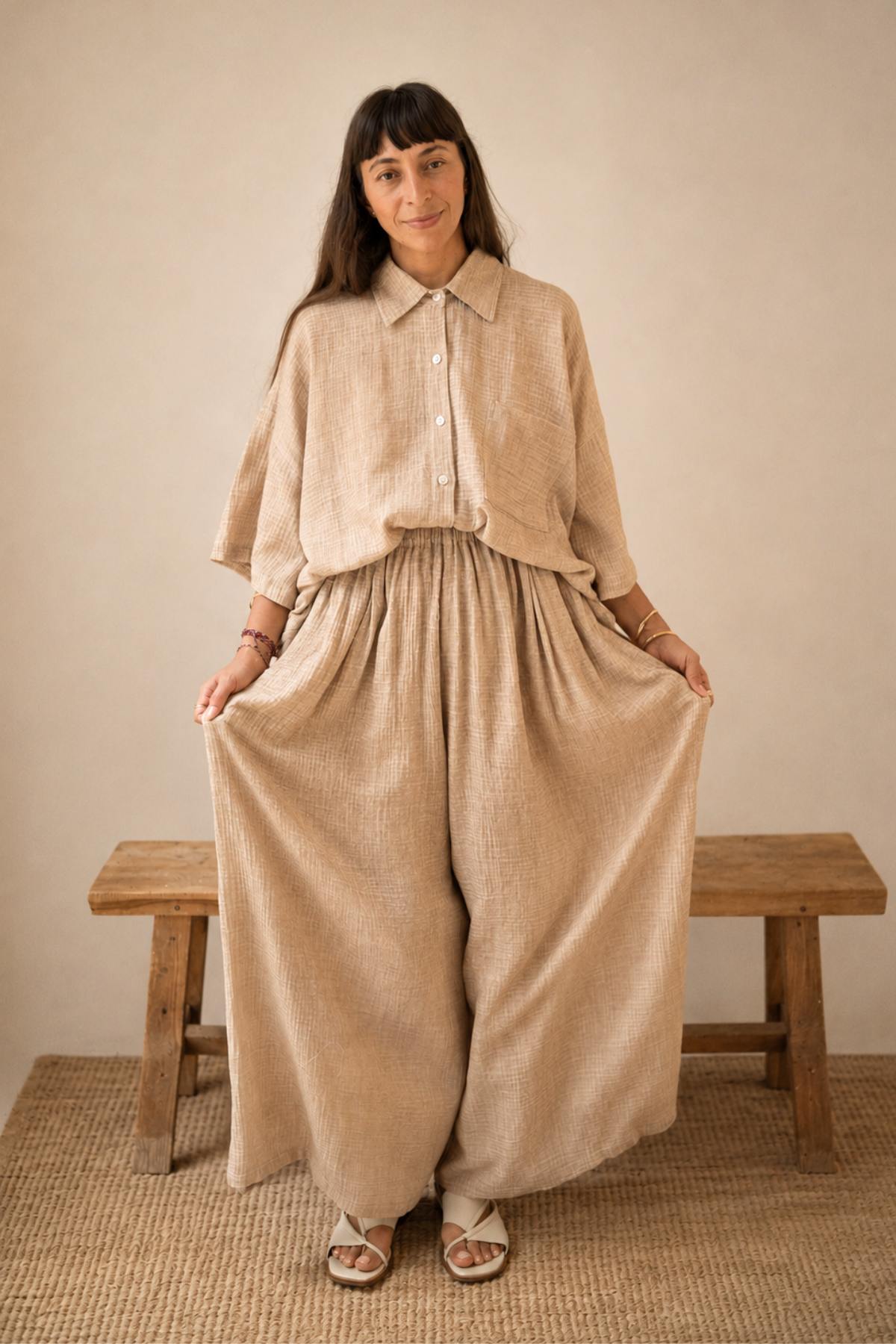
A Piece for This Threshold The Suka Button Down Set. Shop the Suka Set → |
|
The Muse-Letter Dress for the woman you’re becoming. Join the Muse-LetterUnsubscribe any time. No spam, ever. |


Dejar un comentario
Este sitio está protegido por hCaptcha y se aplican la Política de privacidad de hCaptcha y los Términos del servicio.