
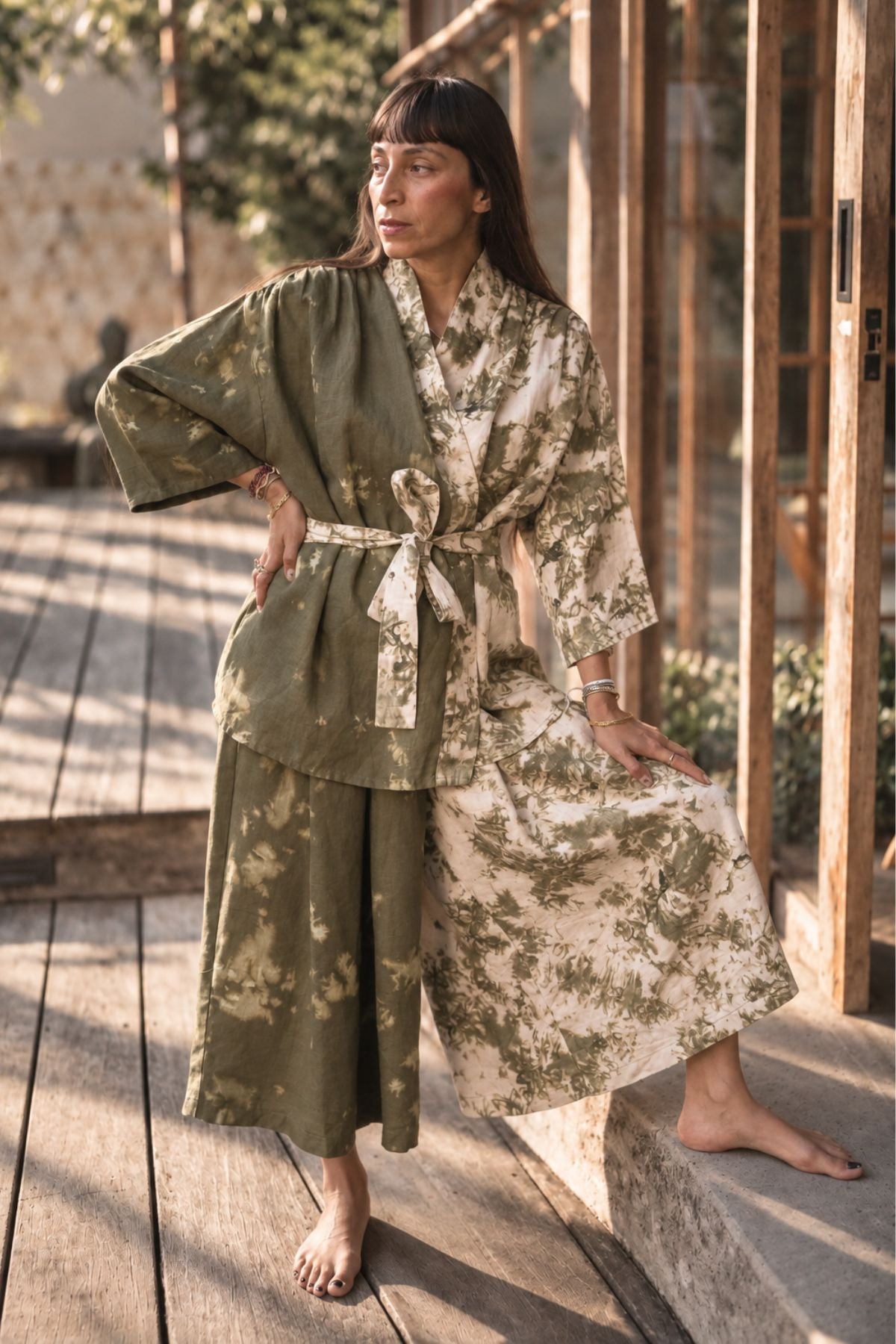
The clothes that know how to sit still
there is a moment in every tea ceremony when nobody is speaking and nobody needs to, and you become suddenly, specifically aware of what you are wearing.
What to wear to a tea ceremony
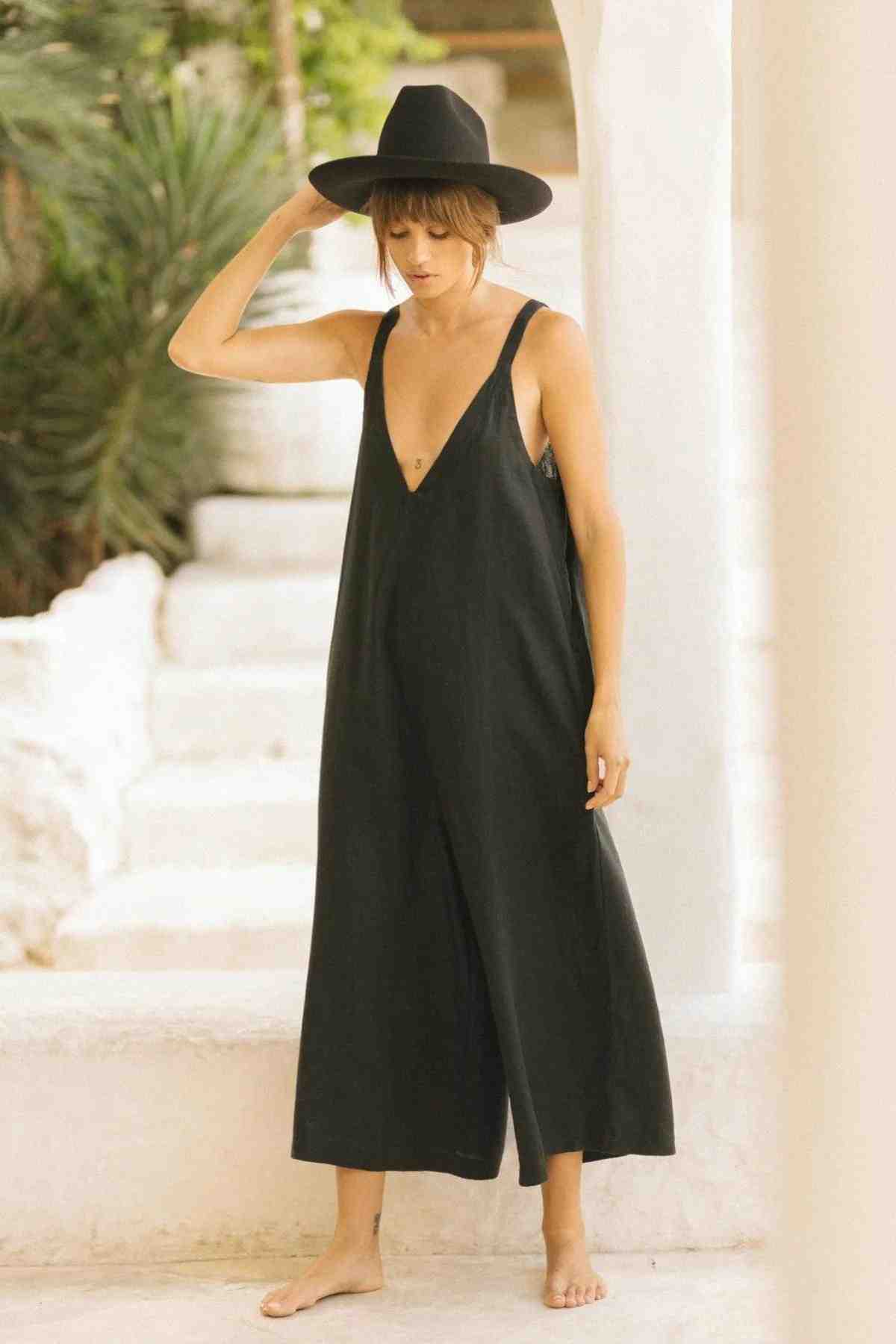
Wear something loose enough to kneel or sit cross legged in for an hour. Choose a natural fiber that breathes. Keep the colour quiet so it does not compete with the room. Cover your shoulders. Leave the perfume at home, take off your rings, and bring clean socks.
That is the whole answer. Everything below is why each part of it exists, because once you understand the reasoning you can dress for tea anywhere, in a formal tea room in Kyoto or at your own kitchen table on a Tuesday morning.
Why the fabric decides everything
A tea room is warm, close and slow. There is a kettle at a boil an arm's length away and you are sitting almost completely still. Linen, cotton, hemp and silk move heat away from the body and let it go. Synthetics hold it against you, and forty minutes in you will be thinking about your own discomfort instead of the tea.
There is a second reason, and it is the one nobody mentions. Stiff fabric makes noise. A synthetic sleeve brushing a synthetic side has a sound, and a tea room is quiet enough that the sound arrives. Soft natural cloth is silent. It lets the only sounds in the room be the water, the whisk and the bowl set down on the mat.
Leave the perfume at home
The host has chosen an aroma for you. It is in the tea, and often in the incense and the single flower arrangement as well. Perfume overrides all three, and it does not only override them for you. It does it for everyone sitting in the room.
This extends further than most people expect. Heavily scented lotion, scented hair oil and clothes washed in a strong detergent all carry into a small space. Something washed simply and aired out is the kindest thing you can wear.
Take off your rings
Tea bowls are hand made and frequently old. Some have been in use for generations, and a glaze that has survived that long can be scratched by one ring in one careless moment. The same is true of watches with hard edges and bracelets that slide down the wrist as you lift.
Removing jewelry before tea is not a rule invented to be difficult. It is a small act of care toward an object that has been cared for by many hands before yours. Once you know it, you cannot unknow it.
Dress so that you can actually sit
Tea is taken kneeling or sitting low, and the position is held. This is where most clothing quietly fails. A waistband that digs when you fold forward, a skirt that restricts the knees, trousers cut close through the thigh, all of it turns into a slow distraction you will spend the ceremony managing.
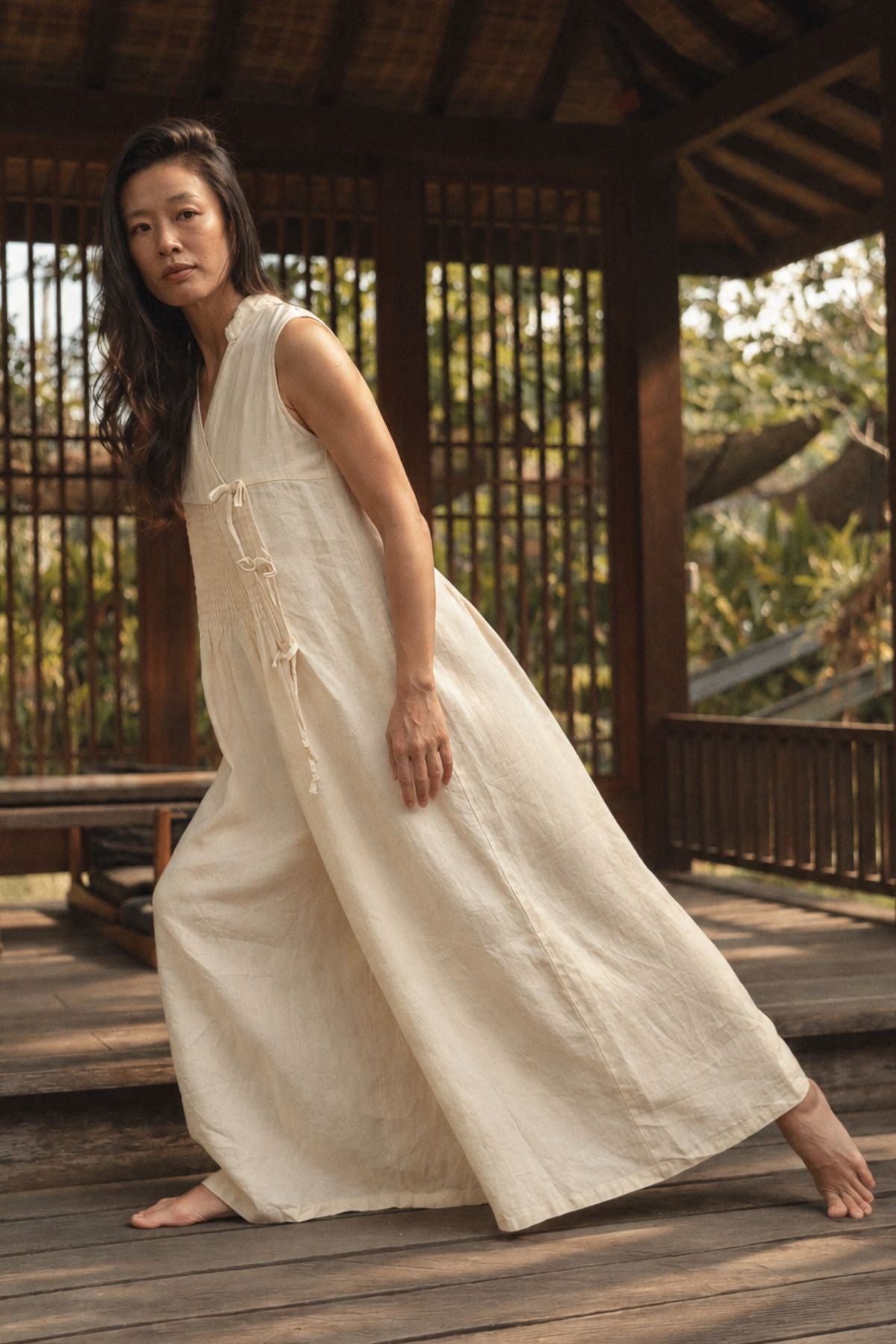
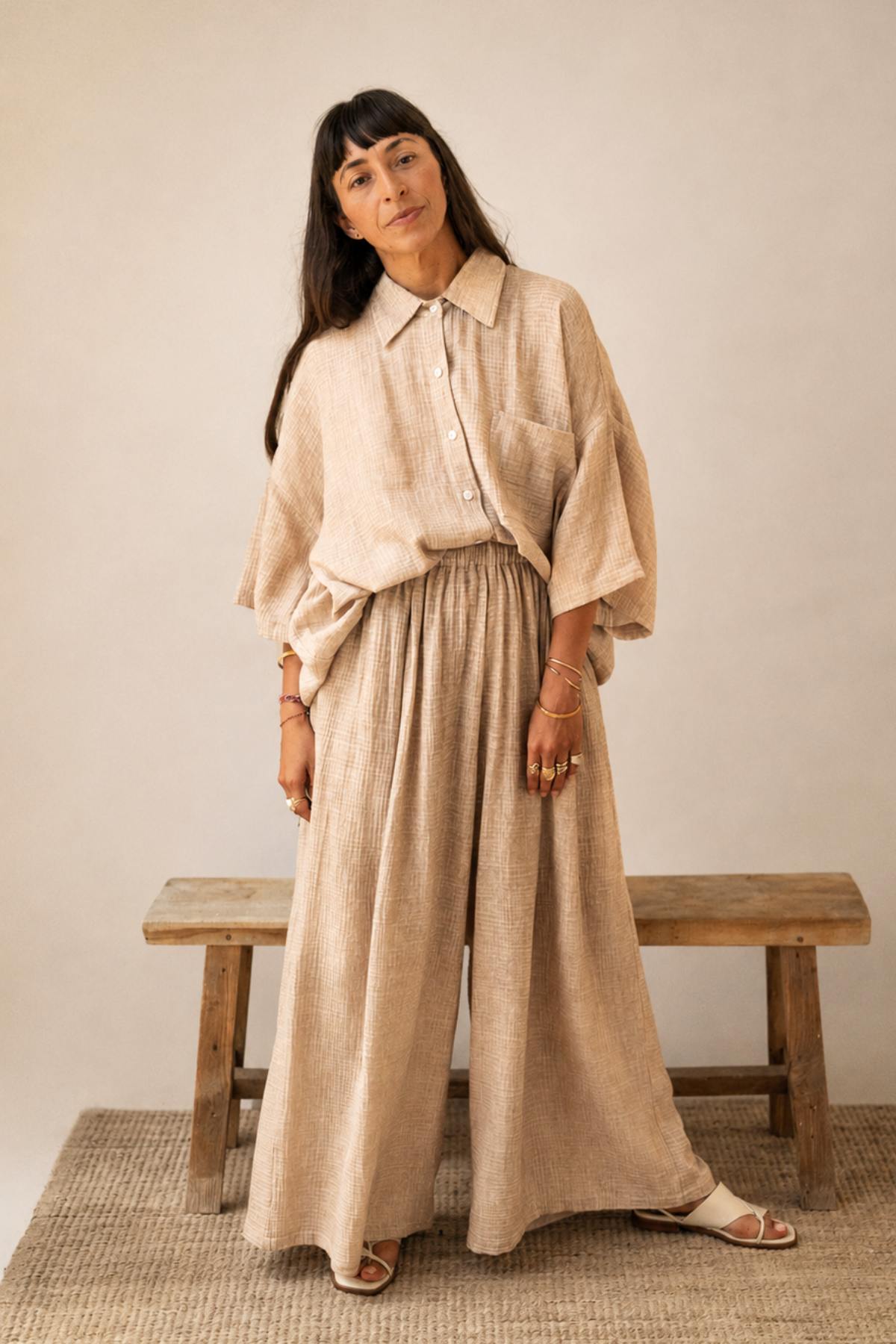
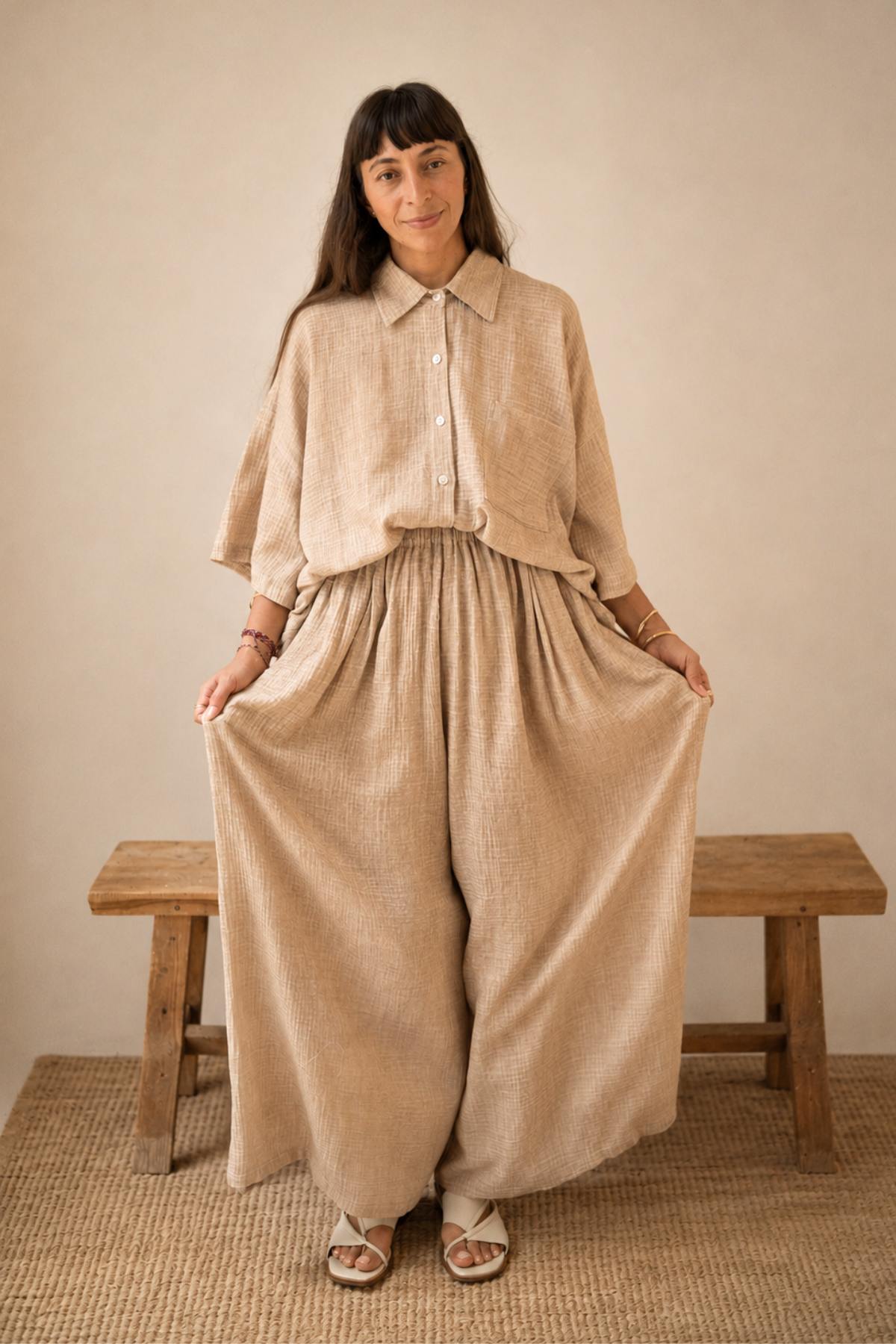
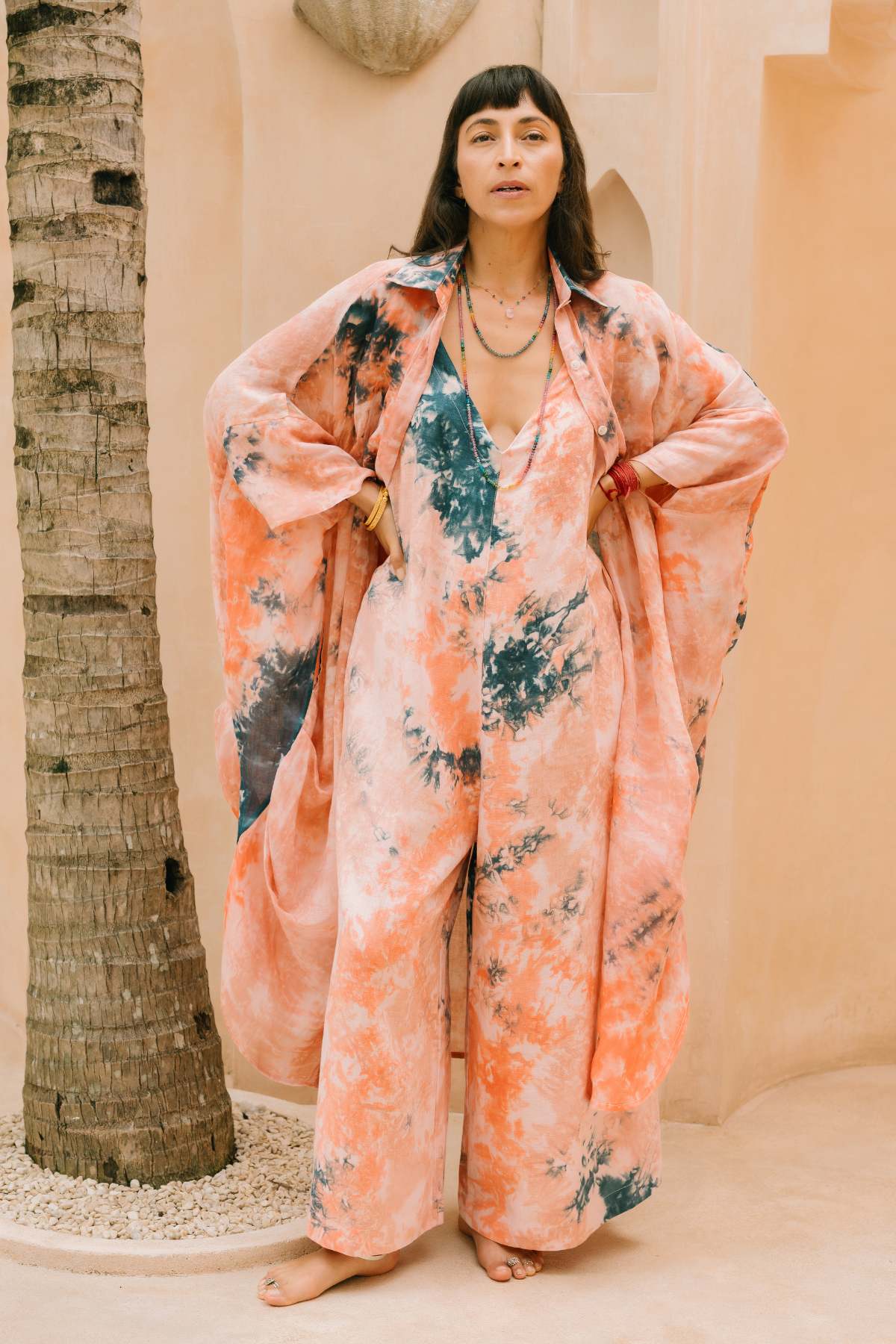
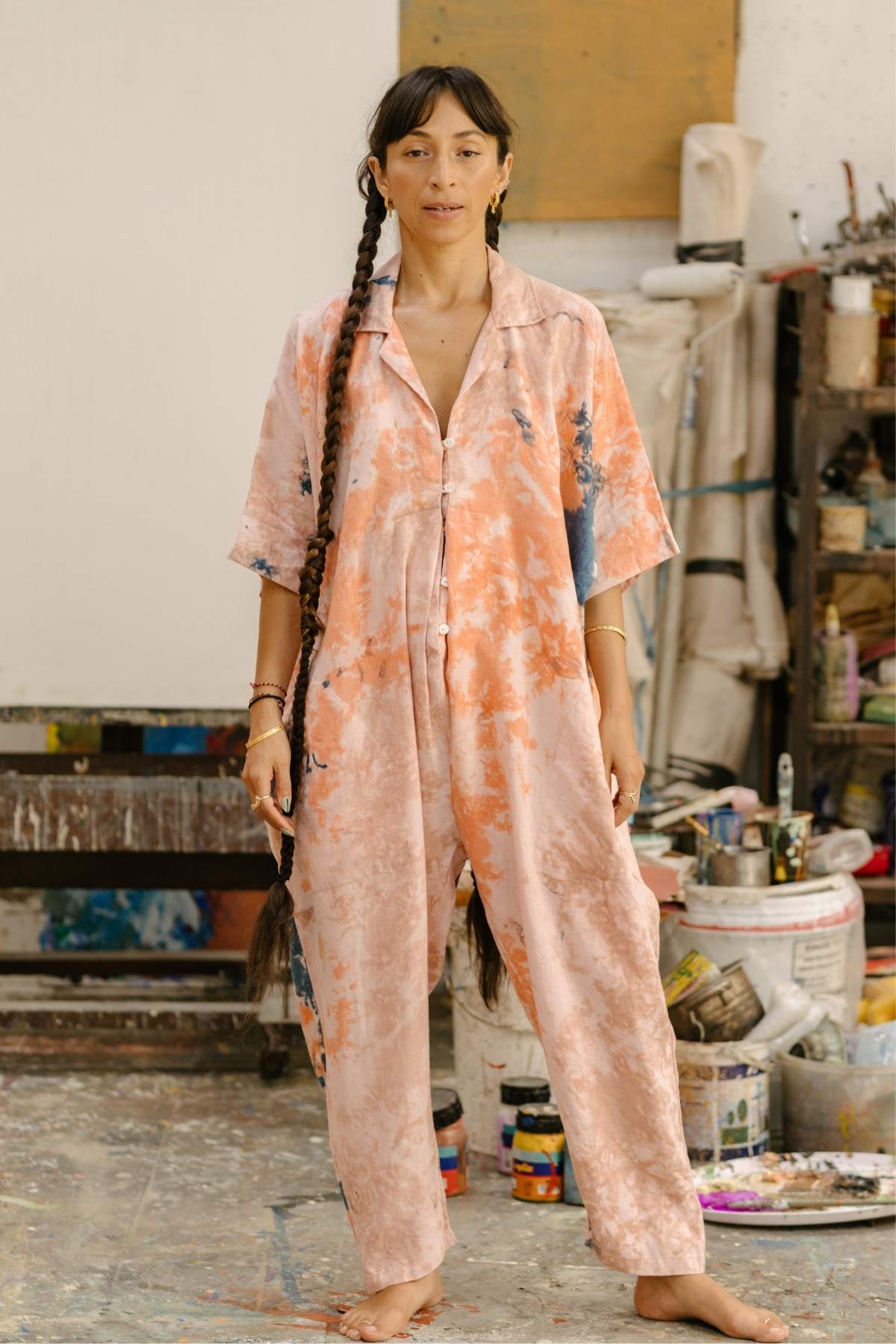
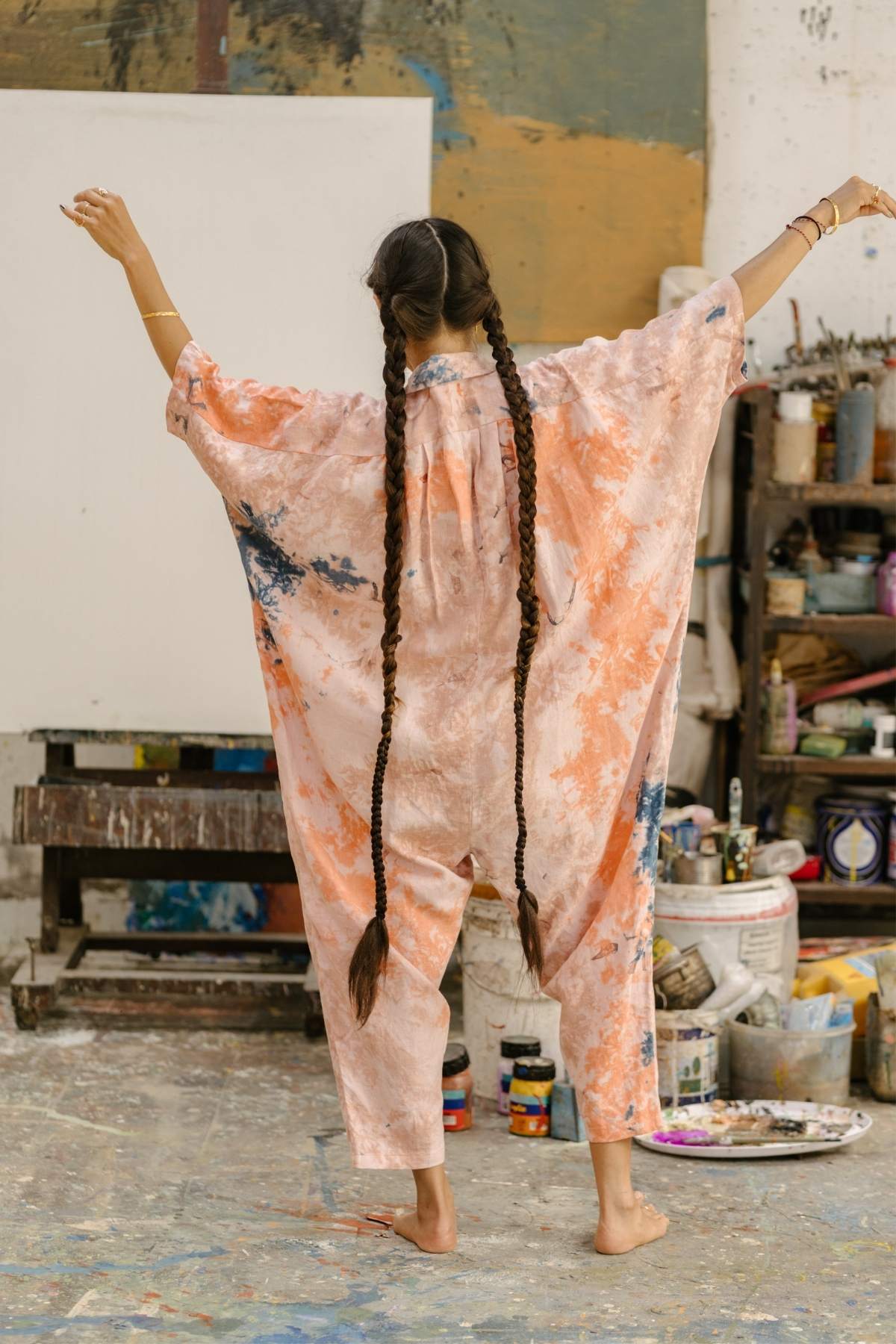
Wide, oversized and generously cut is not an aesthetic preference in this context. It is a functional requirement. The traditional answer is a kimono, which is cut wide through the shoulder and sleeve for precisely this reason. If you do not own one, the principle transfers directly: choose the loosest thing you own in the quietest colour you own.
What not to wear to a tea ceremony
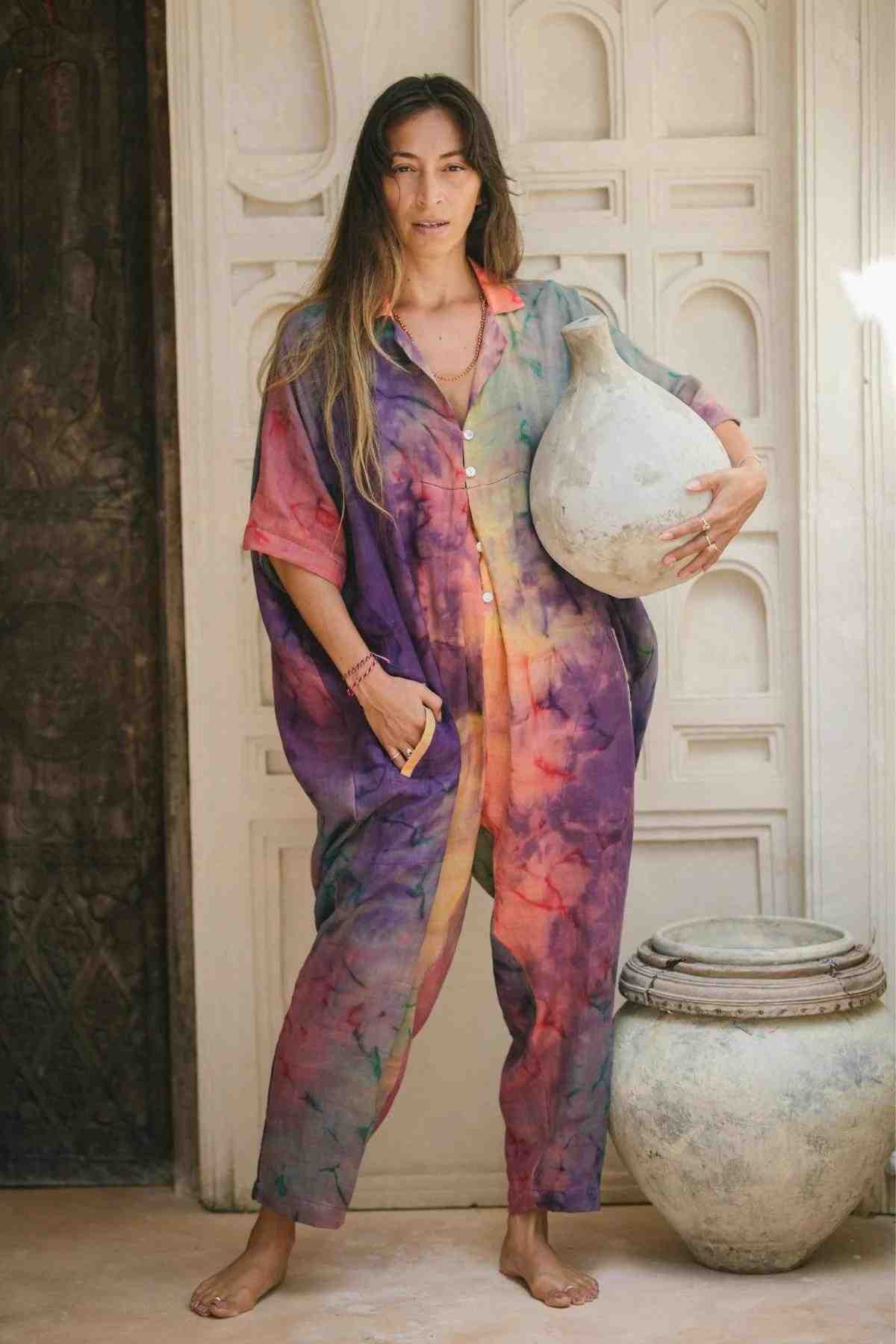
- Bright colours and busy prints. The utensils and the flower are the things you are there to look at, and they are usually understated. A loud garment competes with them and wins, which is the opposite of the point.
- Bare shoulders and very short hems in a traditional setting. Cover both.
- Jewelry that clinks, slides or scratches.
- Bare feet on tatami. Clean white socks are the convention, and bringing a fresh pair to change into is better still.
- Anything you will keep adjusting. If a garment needs managing, it will take your attention for the whole hour.
Osmanthus, the flower in the cup
Osmanthus is the small gold blossom used to scent oolong and green tea. It is the reason osmanthus oolong tastes the way it does, faintly of apricot and something warmer underneath. What is remarkable about the tree is that you smell it long before you find it. It is small, it is easy to miss, and the whole garden knows it is there.
That is the entire logic of dressing for tea, held in one flower. You are not there to be looked at. You are there to be present, and presence has never needed volume. We named a set after it for exactly that reason.
Tea at home, which is where most of it happens
You do not need a tea room, a teacher or a full set of utensils. Most of the value of the ceremony survives translation into an ordinary morning. A pot, one good tea, twenty minutes, your phone in another room, and clothes that let you sit on the floor without negotiating with them.
Dress the same way you would for the formal version. Not because anyone is watching, but because what you put on tells your nervous system what kind of hour this is going to be. Loose linen and a quiet colour say slow. The body believes it before the mind catches up.
Knowing what to wear to a tea ceremony turns out to be the same thing as knowing how to take an hour seriously. The clothes are just where it starts.
Frequently asked questions
What do you wear to a Japanese tea ceremony if you do not own a kimono?
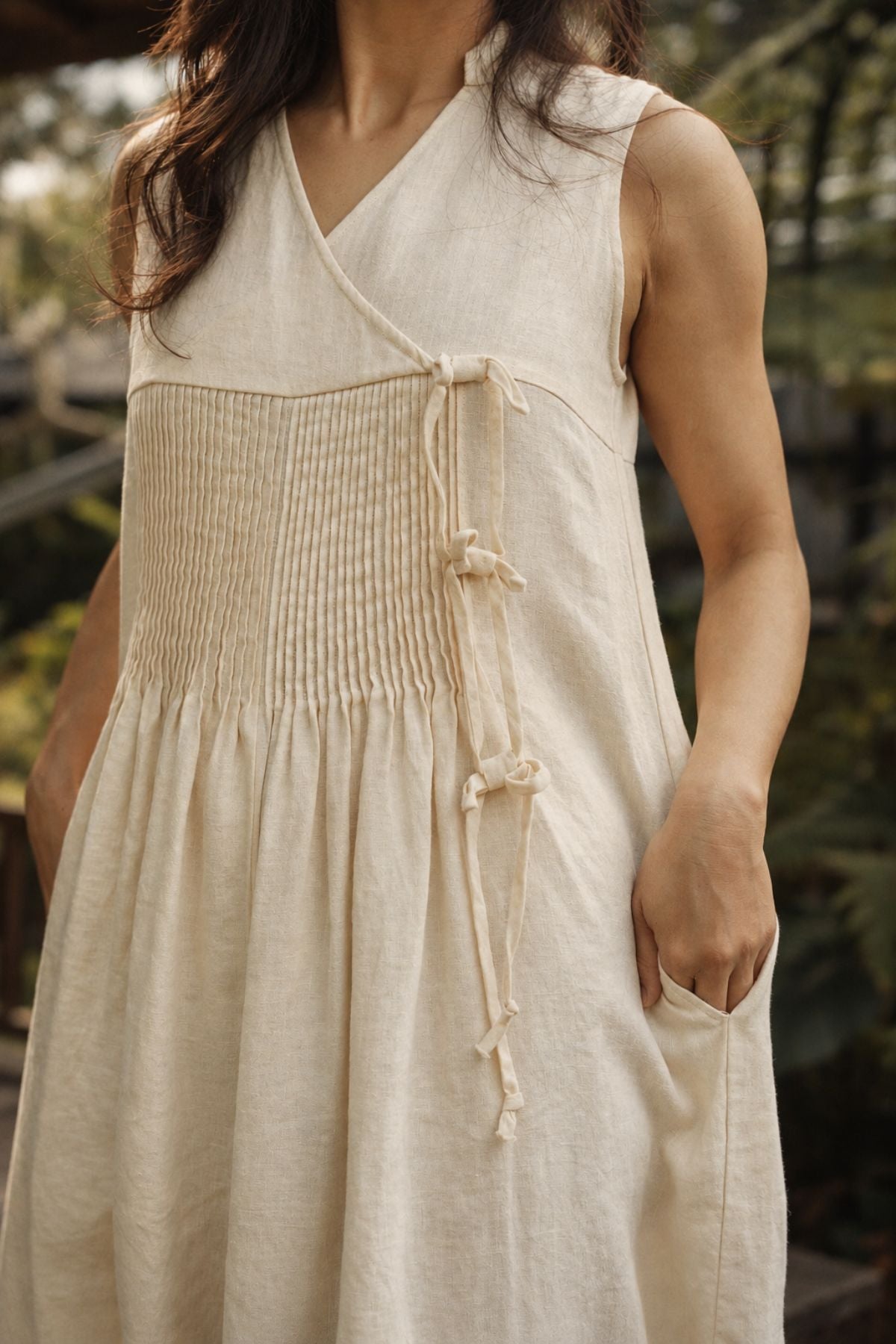
Wear loose, modest clothing in a natural fiber and a subdued colour. Cover your shoulders and knees, choose something you can kneel in comfortably, and bring clean white socks. A wide cut linen set, loose trousers with a simple top, or a long unstructured dress all work. Nobody expects a guest to own a kimono. They do expect care.
Can you wear jeans to a tea ceremony?
In a formal setting, no. Denim is stiff, it restricts kneeling, and rivets and hardware can mark the tatami or the utensils. For an informal tea at home it is not an offence, but softer trousers will make the hour considerably more comfortable.
Why do you remove jewelry at a tea ceremony?
To protect the utensils. Tea bowls are hand made and often very old, and rings, watches and bracelets scratch glaze. Removing them before you handle anything is standard practice and is considered part of the courtesy of being a guest.
What colours should you wear to a tea ceremony?
Quiet ones. Soft greens, warm whites, greys, browns, deep navy and black are all appropriate. The room is composed around a few understated objects and one flower, and your clothing should sit inside that composition rather than pull focus from it.
Do I need to bring socks to a tea ceremony?
If there is tatami, yes. Shoes come off at the entrance and bare feet are not the convention. Clean white socks are traditional, and carrying a fresh pair to change into once you arrive is the most considerate version of this.
With love from Bali,
Myrah
|
A Piece for This Threshold The Osmanthus Set. Shop the Osmanthus Set → |
|
The Muse-Letter Dress for the woman you're becoming. Join the Muse-LetterUnsubscribe any time. No spam, ever. |









Dejar un comentario
Este sitio está protegido por hCaptcha y se aplican la Política de privacidad de hCaptcha y los Términos del servicio.