A Guide to Conscious Fashion in Bali, Where to Shop and Why It Matters
Conscious fashion in Bali isn't a marketing category. It's a way of working that predates the phrase itself, built into an island where clothes have always been made by hand, dyed with plants, and passed between families long before "sustainable" became a label on a hangtag.
If you're shopping in Bali — or shopping Bali-made pieces from anywhere in the world — knowing what actually makes a brand conscious, versus what's simply dressed up to look that way, changes everything about where your money goes and what you bring into your closet. Here's a real guide, not a greenwashed one.
What Conscious Fashion Actually Means in Bali
The phrase gets used loosely, so it's worth being precise. Conscious fashion in Bali generally means three things working together: natural, traceable materials; garments made by hand in small studios or family workshops rather than mass-produced in factories; and a supply chain short enough that you could, in theory, meet the person who made your piece.
This isn't romantic exaggeration. In Bali's textile villages — Ubud's weaving studios, the batik houses of the north coast, the linen ateliers scattered through Canggu and Pererenan — many of the artisans sewing garments today learned from a parent or grandparent who did the same work. The techniques are inherited, not manufactured. That lineage is part of what you're paying for, and it's the opposite of fast fashion's anonymous, disposable supply chain.
Where to Shop for Conscious Fashion in Bali
A few markers separate genuinely conscious brands from ones borrowing the aesthetic:
Look for named materials, not vague ones. "Eco-friendly fabric" tells you nothing. "100% French linen, OEKO-TEX® Standard 100 certified" tells you exactly what's touching your skin and what's been tested out of it. Certifications like OEKO-TEX® and European Flax® exist precisely so you don't have to take a brand's word for it.
Look for visible process. Brands genuinely working in natural dye, hand-weaving, or small-batch production tend to talk openly about how long things take — because slowness is the whole point, not a flaw to hide. If a botanical dye process takes seven days, a conscious brand will tell you it takes seven days, and explain why that's a feature.
Look for variation, not uniformity. Hand-dyed and hand-woven pieces are never perfectly identical to one another. If every unit of a "natural dye" product looks exactly the same, machines were likely involved somewhere the marketing doesn't mention.
Shop the studios directly when you can. Canggu, Ubud, and Pererenan all have small ateliers open to visitors — the closest thing to meeting your garment's maker in person. When shopping online, look for brands that name their artisan partners and show the workshops, not just the finished product on a model.
The Materials That Matter: Natural Fibers, Traceability, Botanical Dye
Three material choices do most of the heavy lifting in genuinely conscious Balinese fashion:
Natural fiber first. Linen, ramie, and organic cotton are the backbone of Bali's conscious fashion scene, chosen because they're biodegradable, long-lasting, and comfortable in a tropical climate — a practical decision as much as an ethical one.
Traceable sourcing. European Flax® certification, for instance, confirms flax was grown without irrigation, GMOs, or waste, and can be traced from field to finished fabric. That traceability is the difference between a claim and a fact.
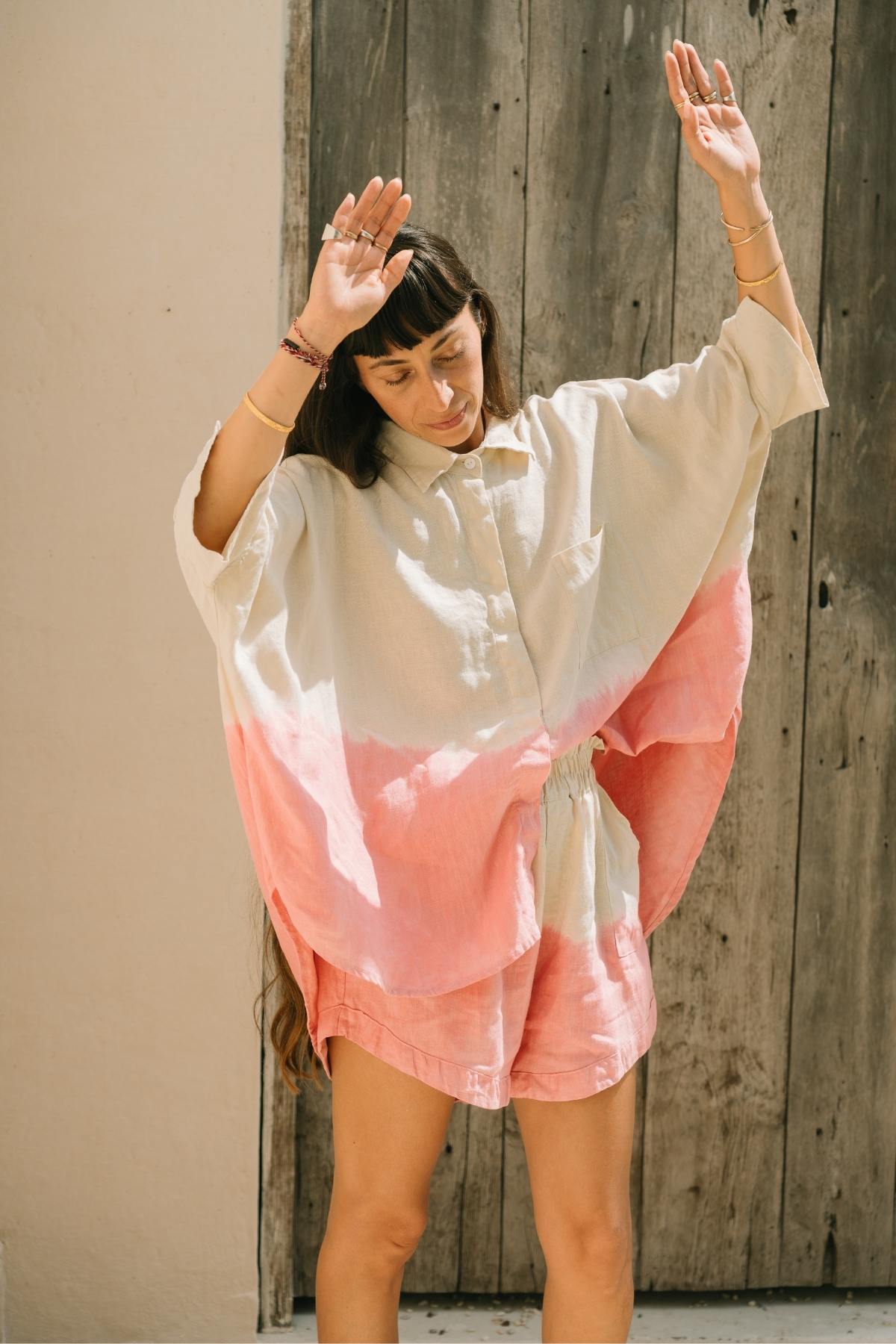
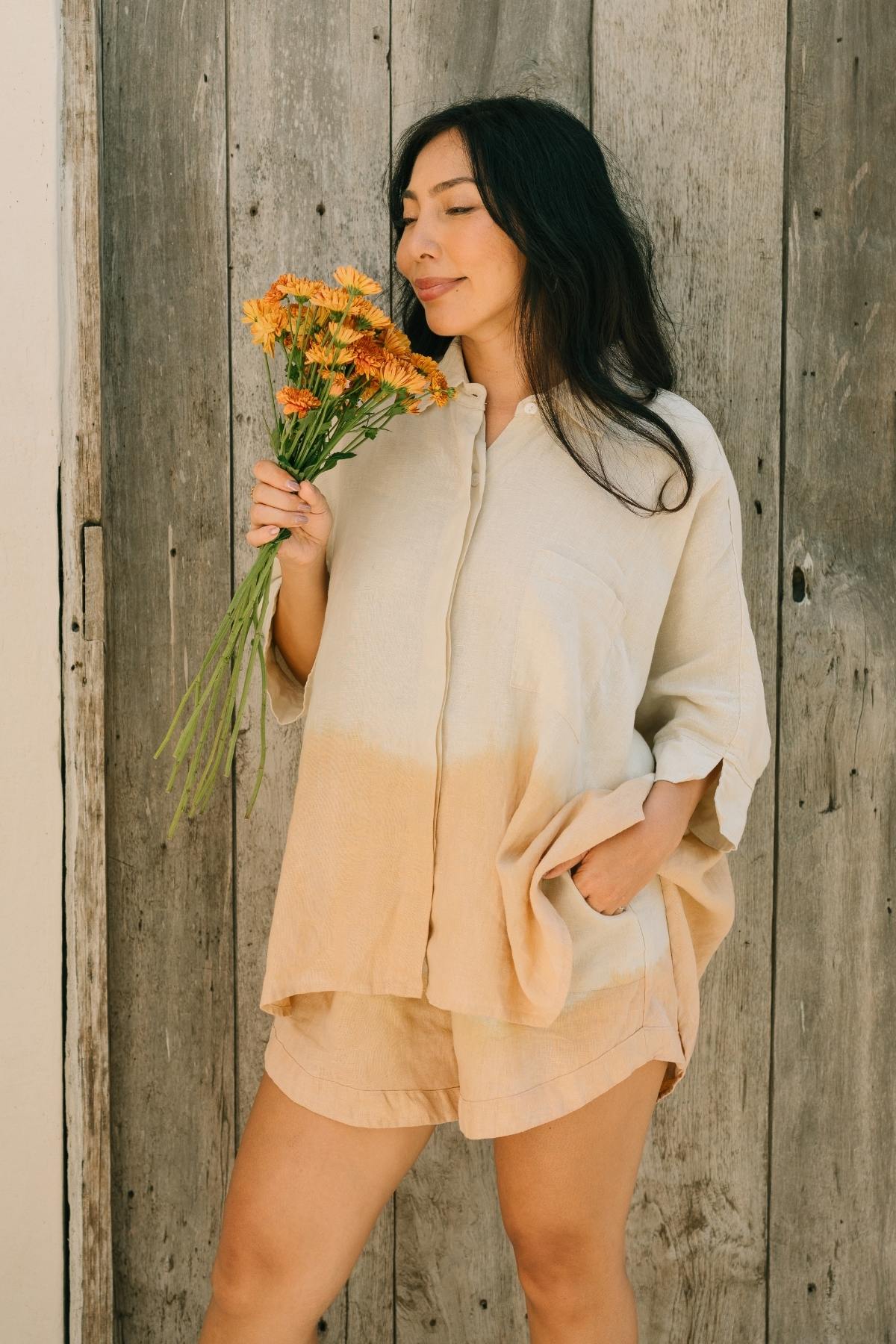
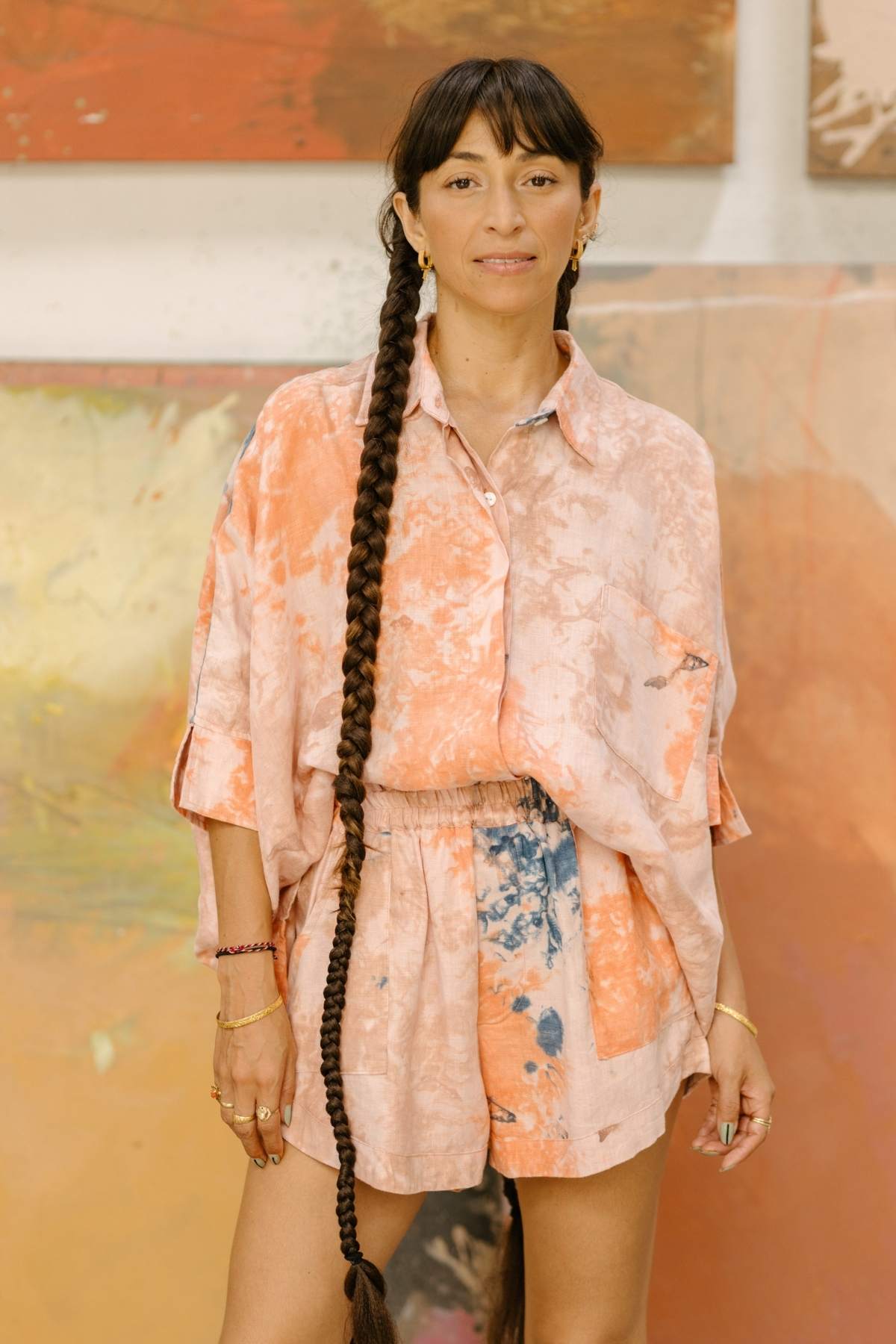
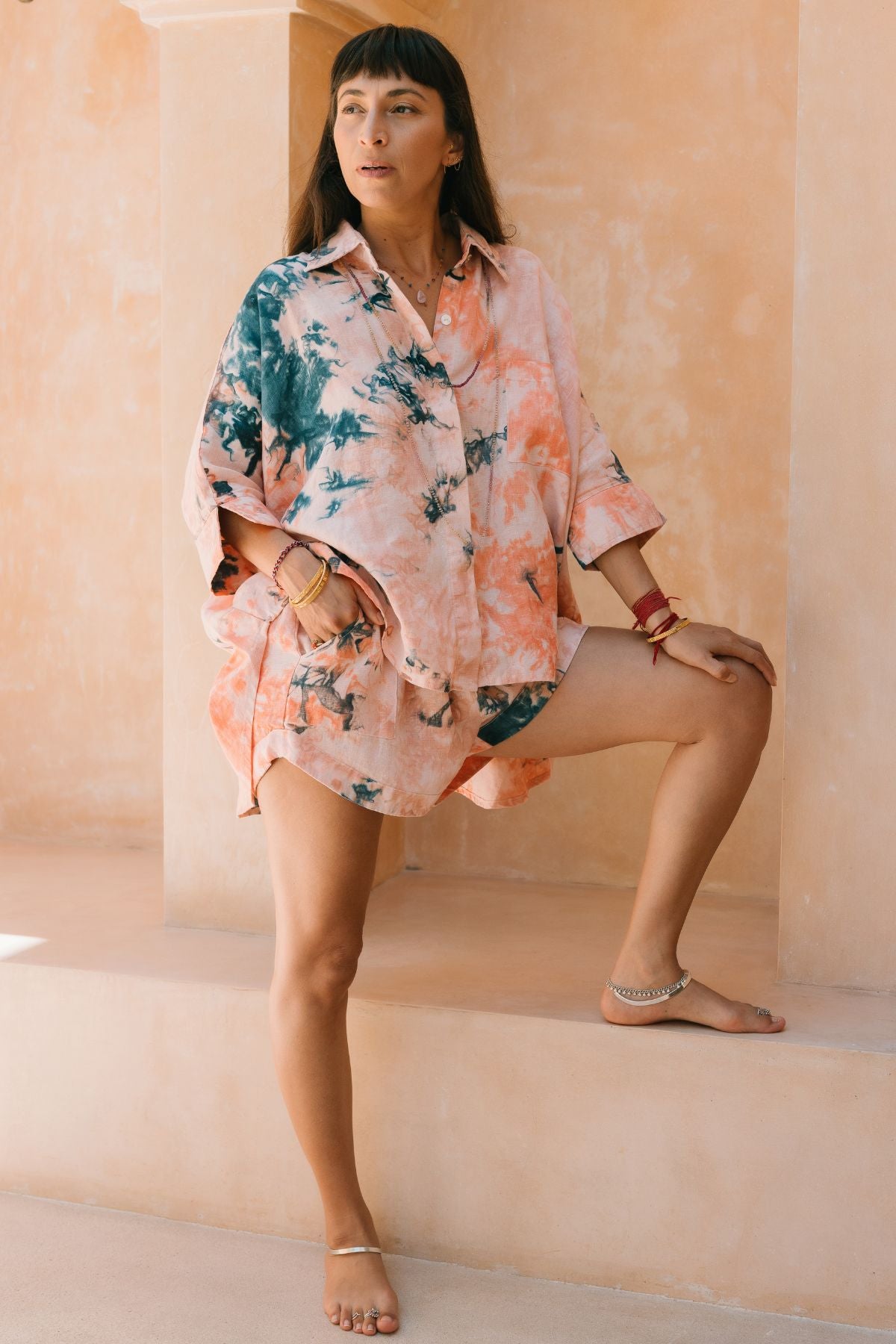
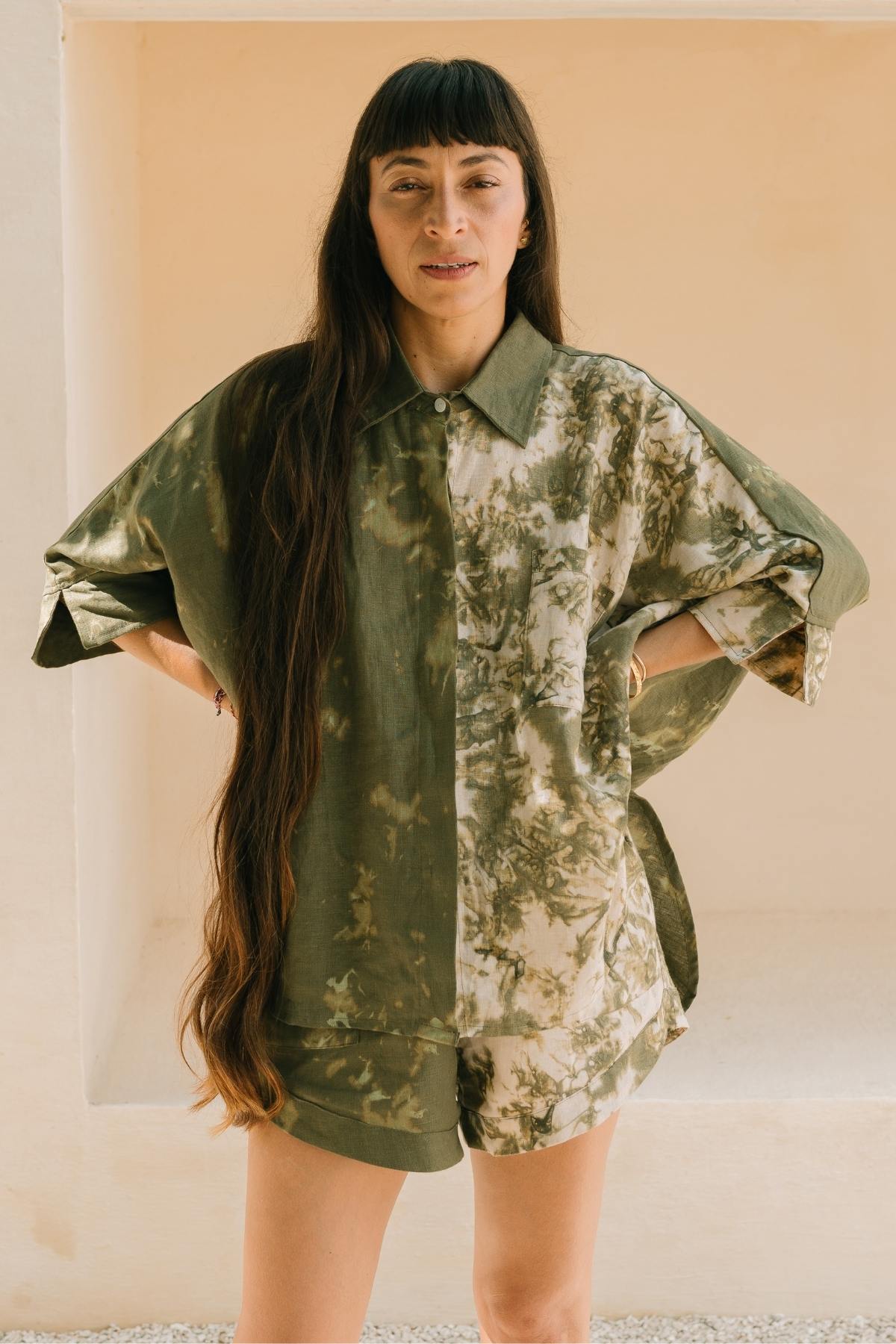
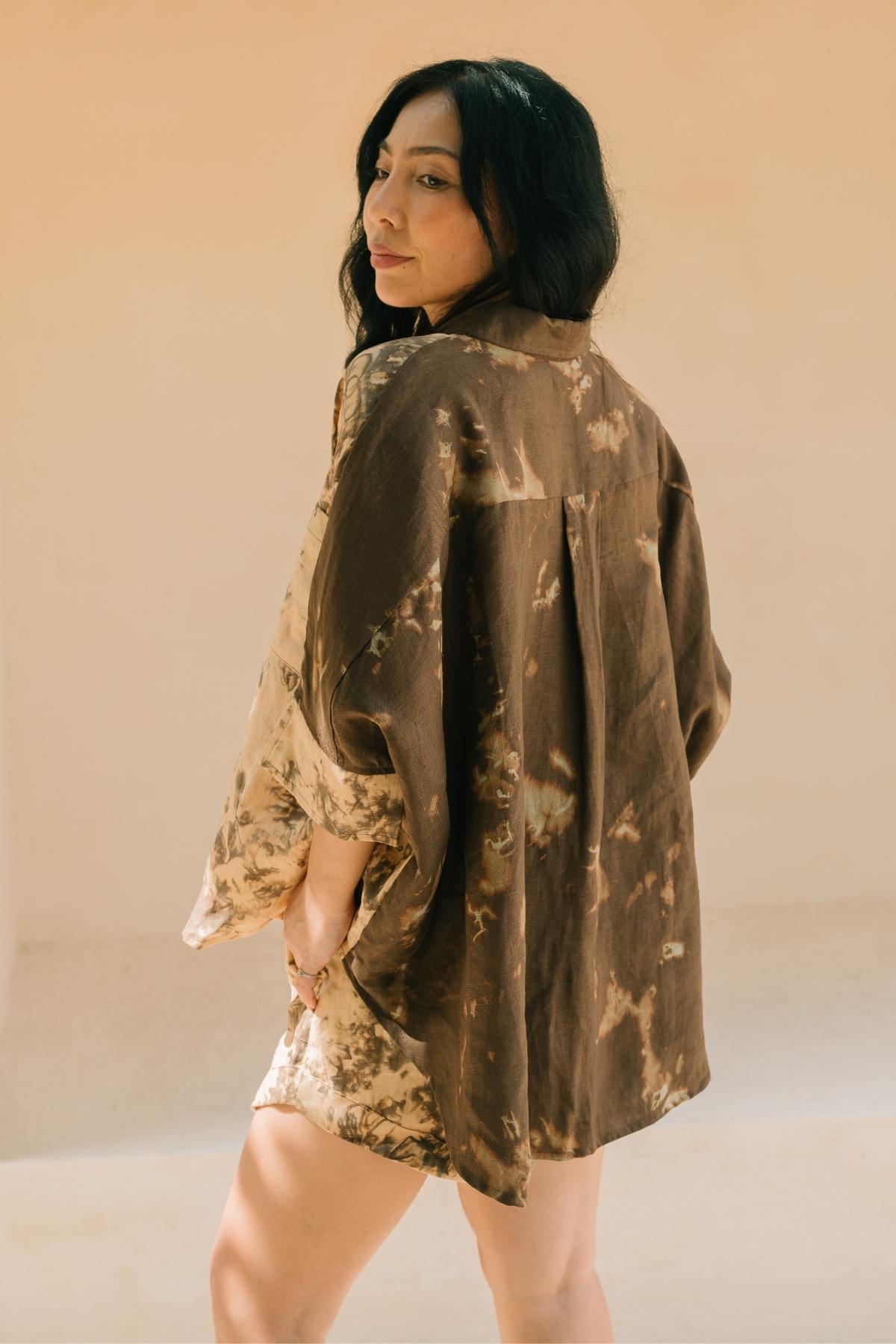
Botanical dye over synthetic. Plant-based dye processes — built from indigo, turmeric, and other native botanicals — take dramatically longer than synthetic dyeing, often five to seven days of layered color-building versus hours. The tradeoff is a colorway that can't be perfectly replicated and won't leach the chemical runoff associated with conventional textile dyeing.
How to Tell the Difference Between Greenwashing and the Real Thing
The fastest tell is specificity. A brand actually doing the work will tell you which flax field, which certification body, which artisan family, which dye plant. A brand borrowing the language will speak only in adjectives — "eco," "natural," "sustainable" — with nothing underneath to verify them. Ask where a piece was made, who made it, and how long it took. If a brand can answer all three without hesitation, you're likely looking at the real thing.
Price is a signal too, though not the one people expect. Conscious fashion is rarely the cheapest option in a category, and that's not a coincidence. Paying artisans fairly, sourcing certified natural fiber, and running a dye process that takes a week instead of an hour all cost more than the fast-fashion alternative. A price point that seems too low for the materials and process being claimed is usually a sign that something in the supply chain has been quietly cut.
Conscious Fashion Beyond the Purchase: How to Make It Last
Buying well is only half of conscious fashion. The other half is what happens after the piece arrives in your closet. Natural fiber garments — linen and ramie especially — are built to outlast synthetic fast fashion by years, but only with the right care. Hand washing in cold water, air drying flat rather than in a machine, and storing pieces folded rather than hung all extend the life of a hand-dyed or hand-woven garment significantly.
This matters more than it might seem. The most sustainable garment isn't necessarily the one made from the most virtuous materials — it's the one you keep wearing for a decade instead of replacing every season. A single well-made linen set, cared for properly, will outlive a dozen fast-fashion equivalents, which means the true environmental math of conscious fashion plays out over years, not at the moment of checkout.
It's also worth asking a brand directly how they want their pieces cared for. Conscious brands tend to be specific here too — hand wash cold, hang dry, avoid direct sun for hand-dyed colorways — because they've thought as carefully about a garment's tenth year as its first day.
Bringing It Home
Conscious fashion in Bali isn't a single storefront or a single certification — it's a way of asking better questions before you buy. Who made this, and were they paid fairly? What is it made of, and can that be verified? How long did it take, and does the brand seem proud of that instead of trying to hide it? Ask those three questions of any piece, whether you're shopping a small atelier in Pererenan or a brand's website from the other side of the world, and you'll find your way to the real thing more often than not.
Conscious fashion was never meant to be a trend that fades. In Bali, it's simply how clothes have always been made — we're just catching up to naming it.
With love from Bali,
Myrah.
|
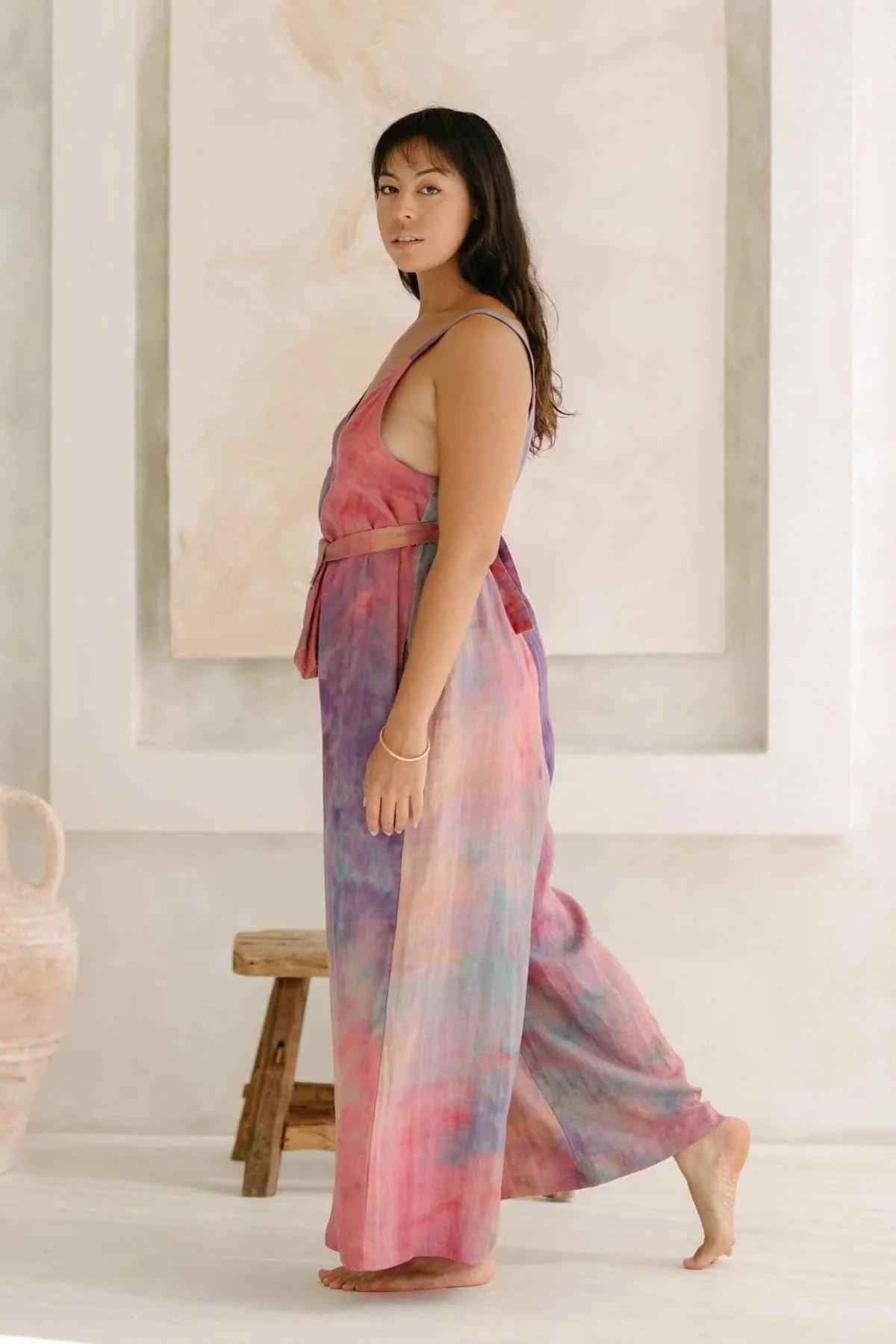
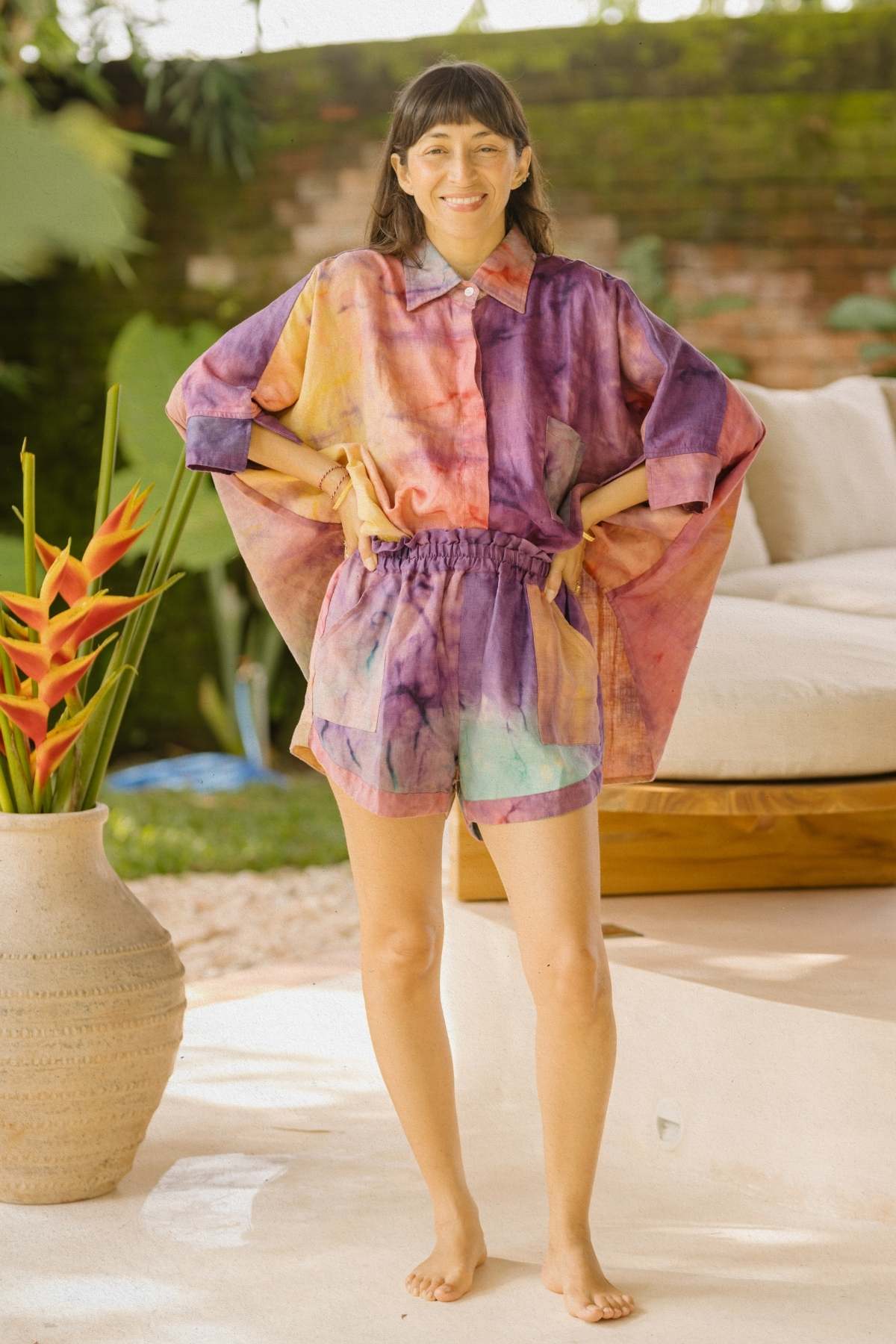
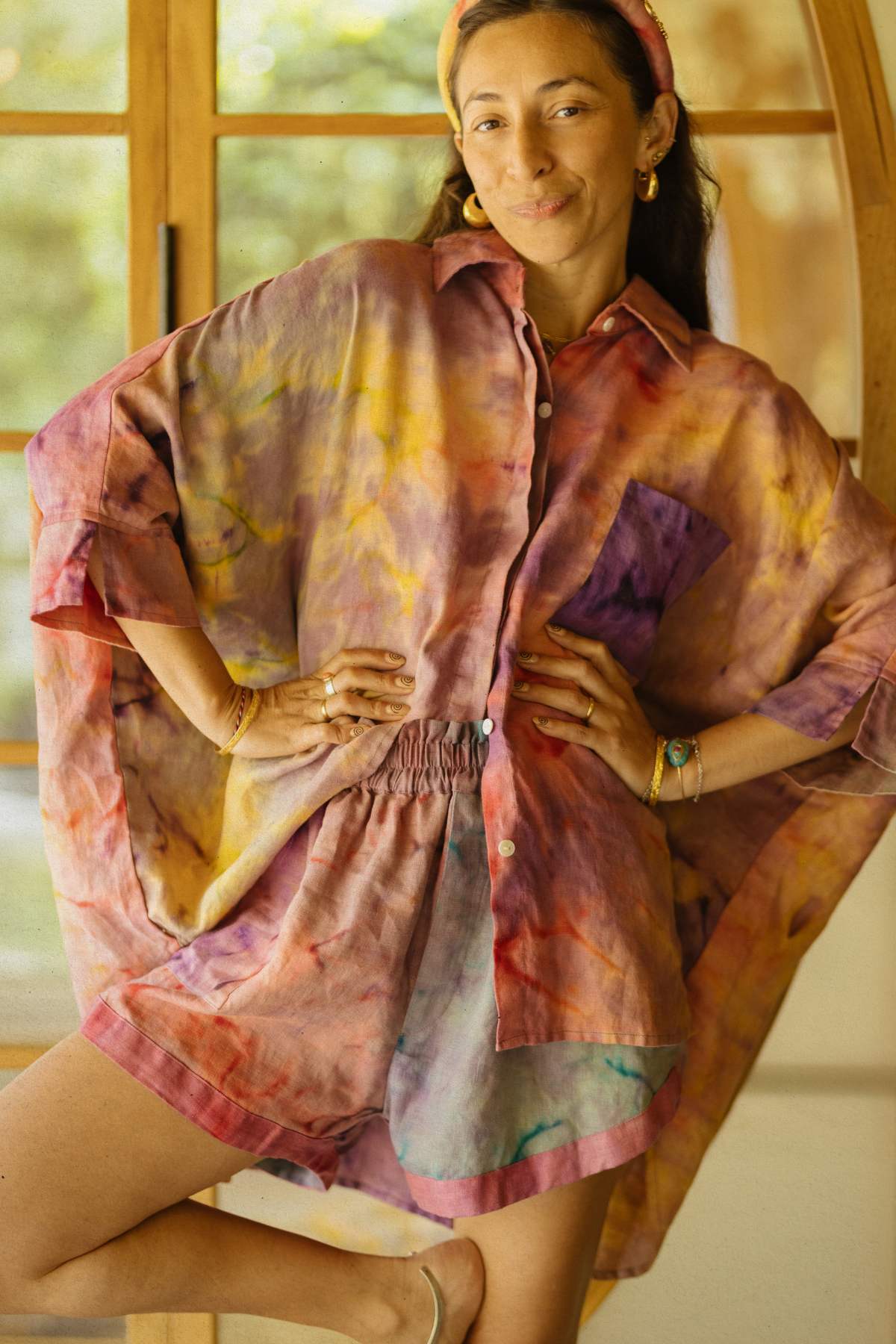
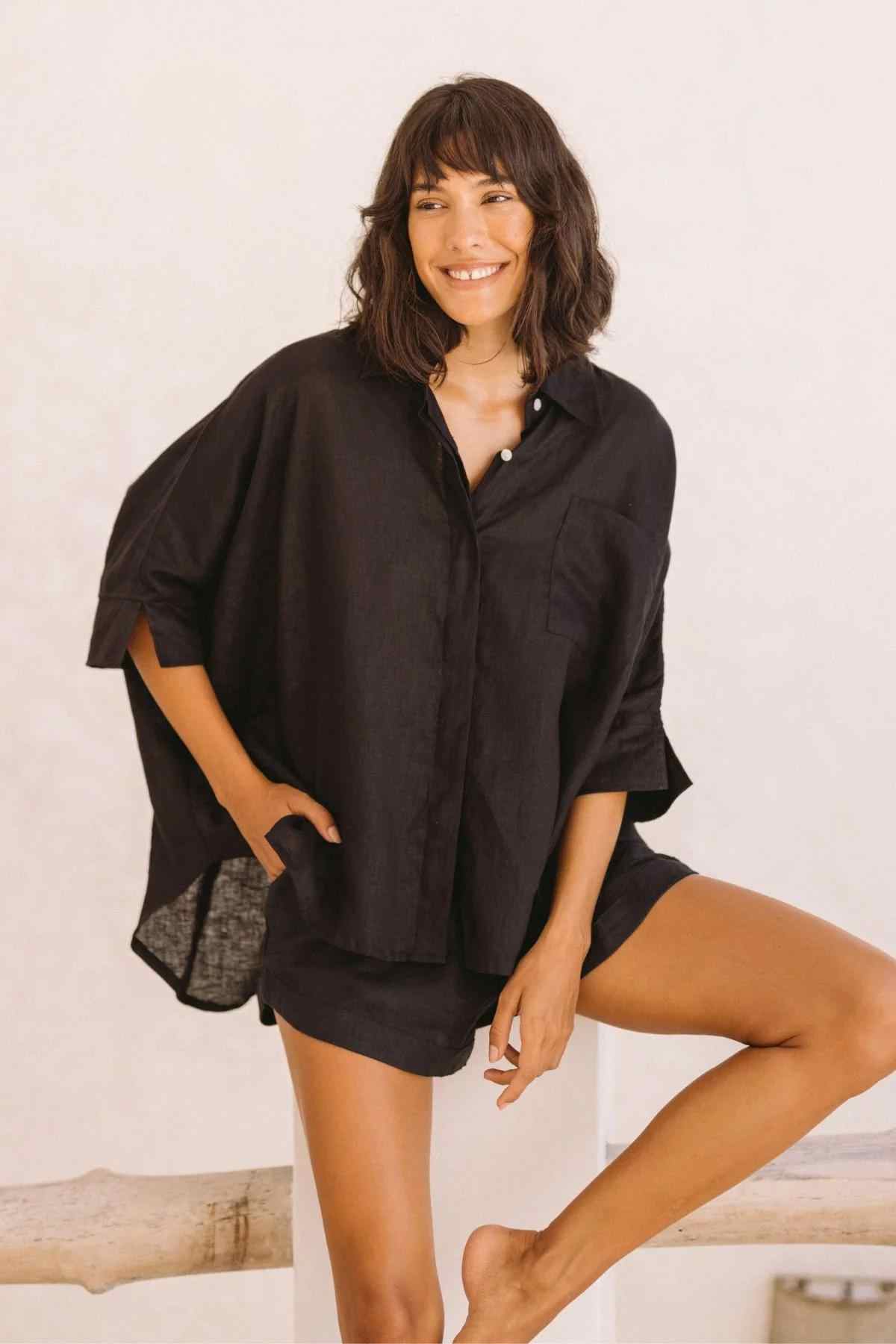
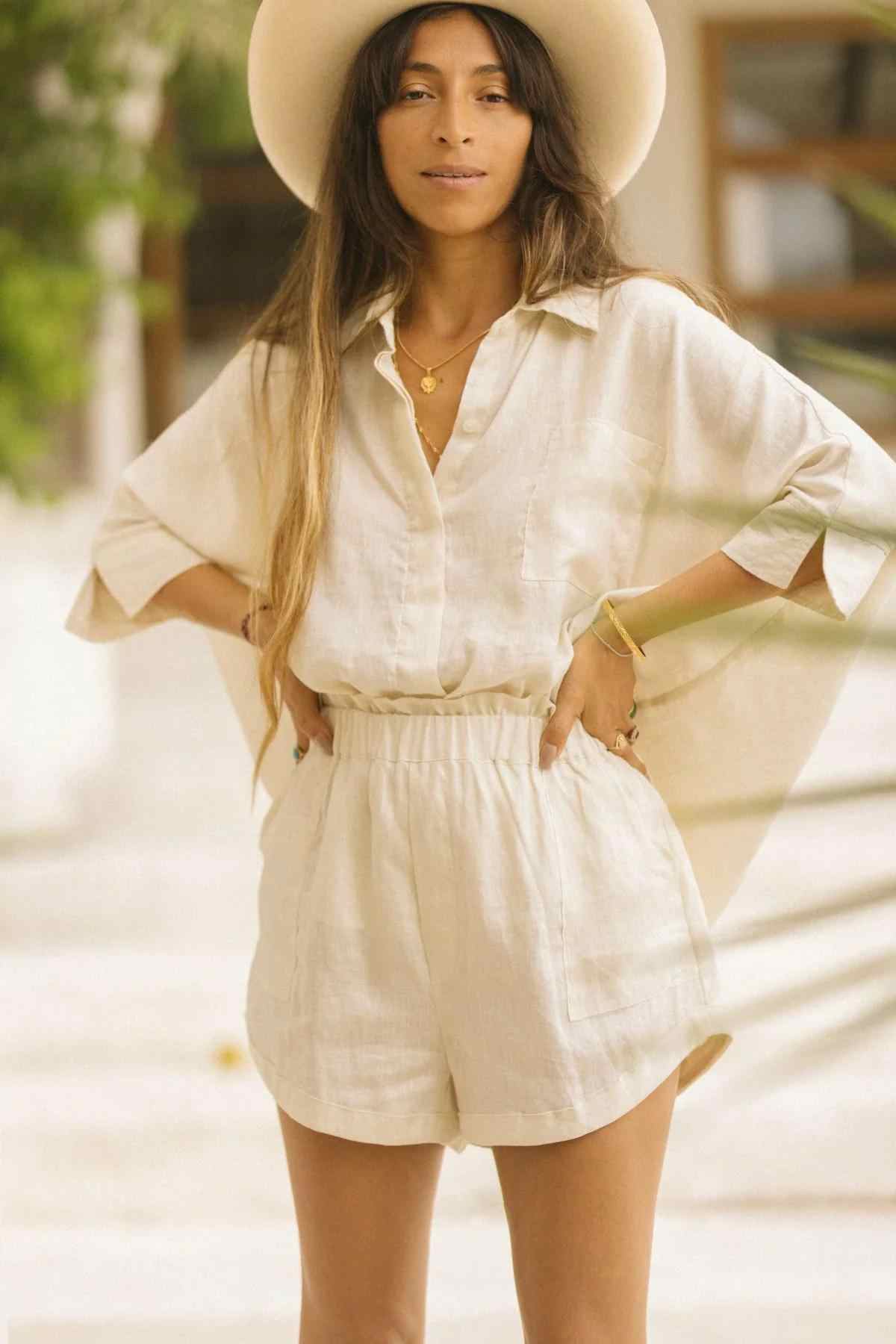
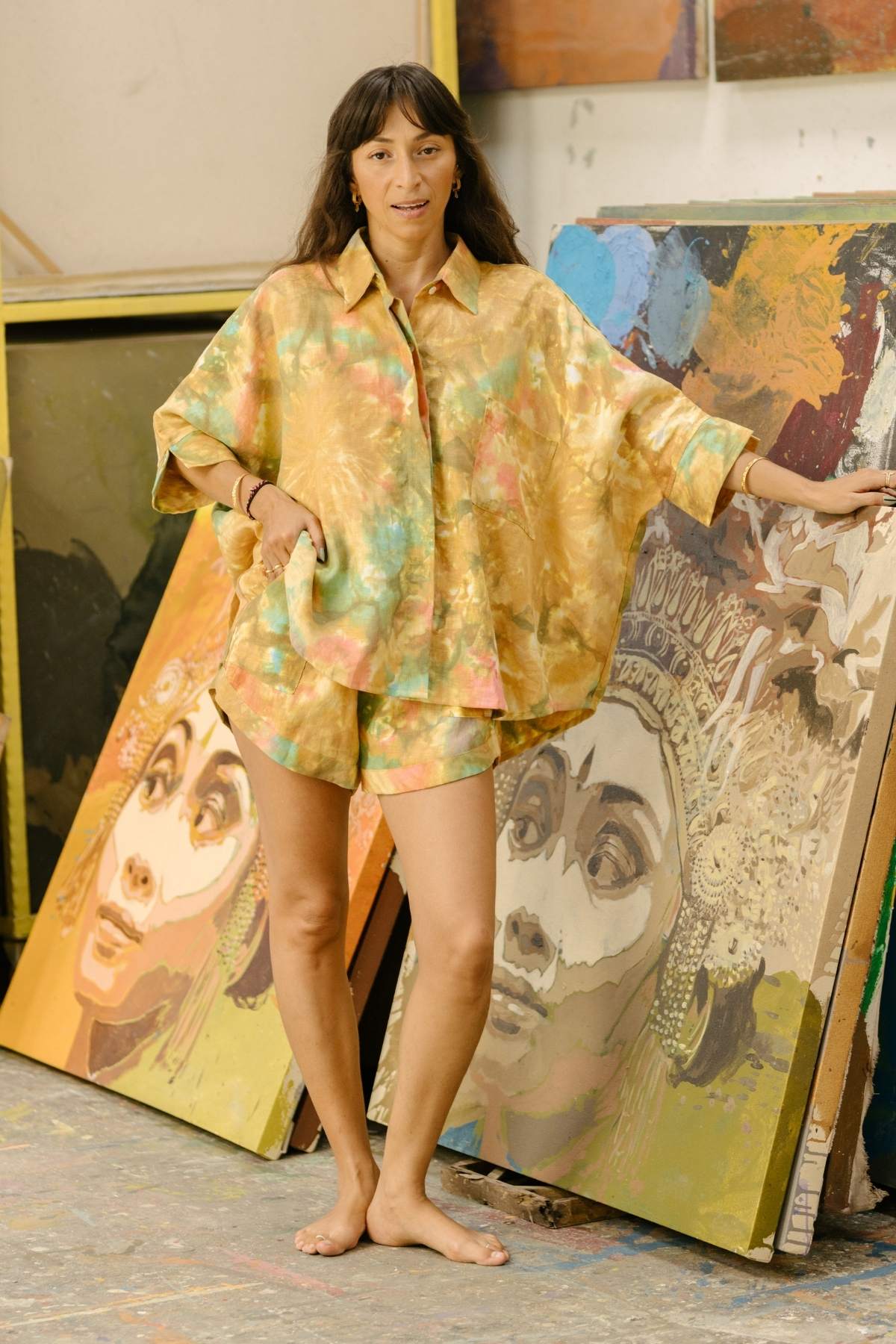
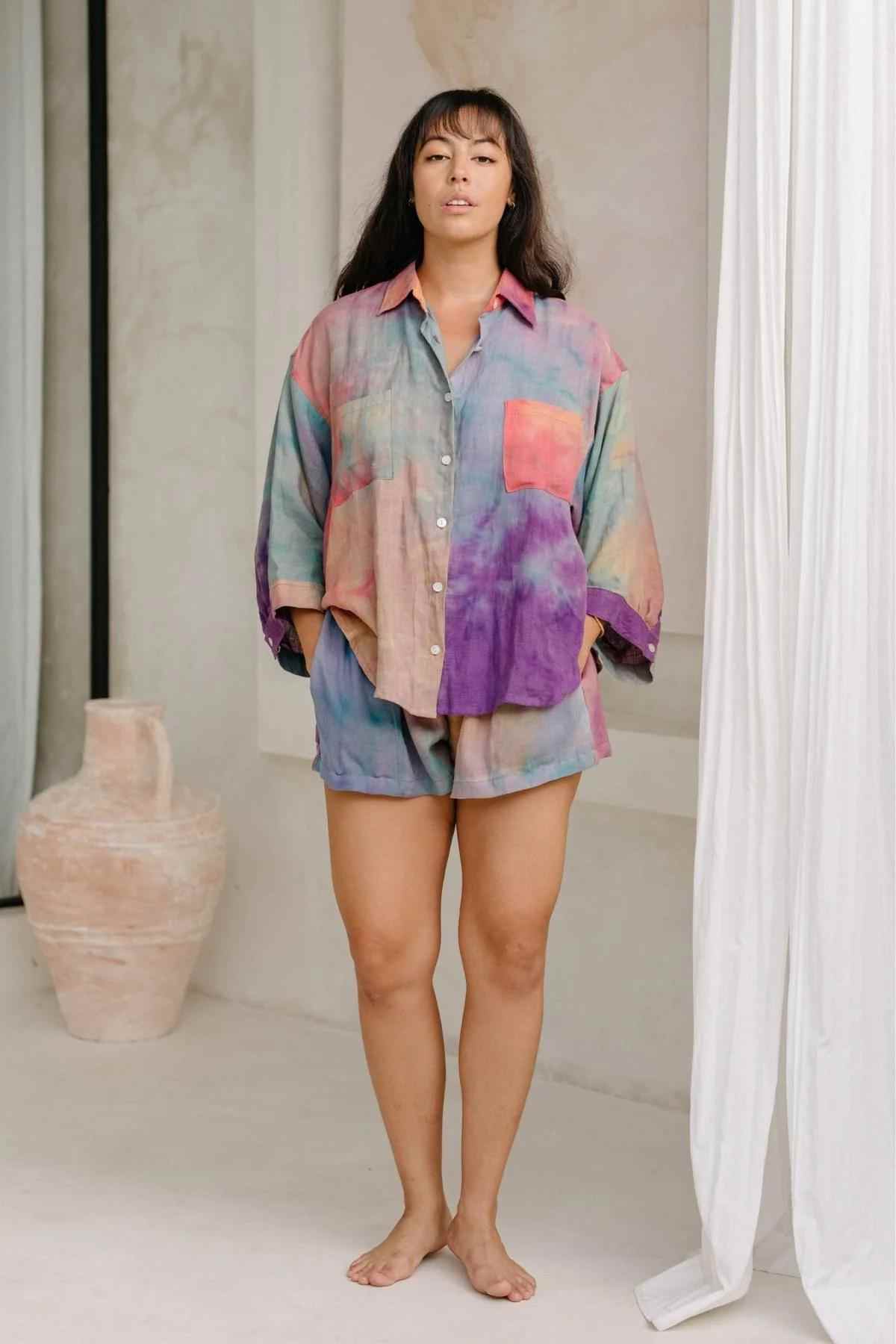
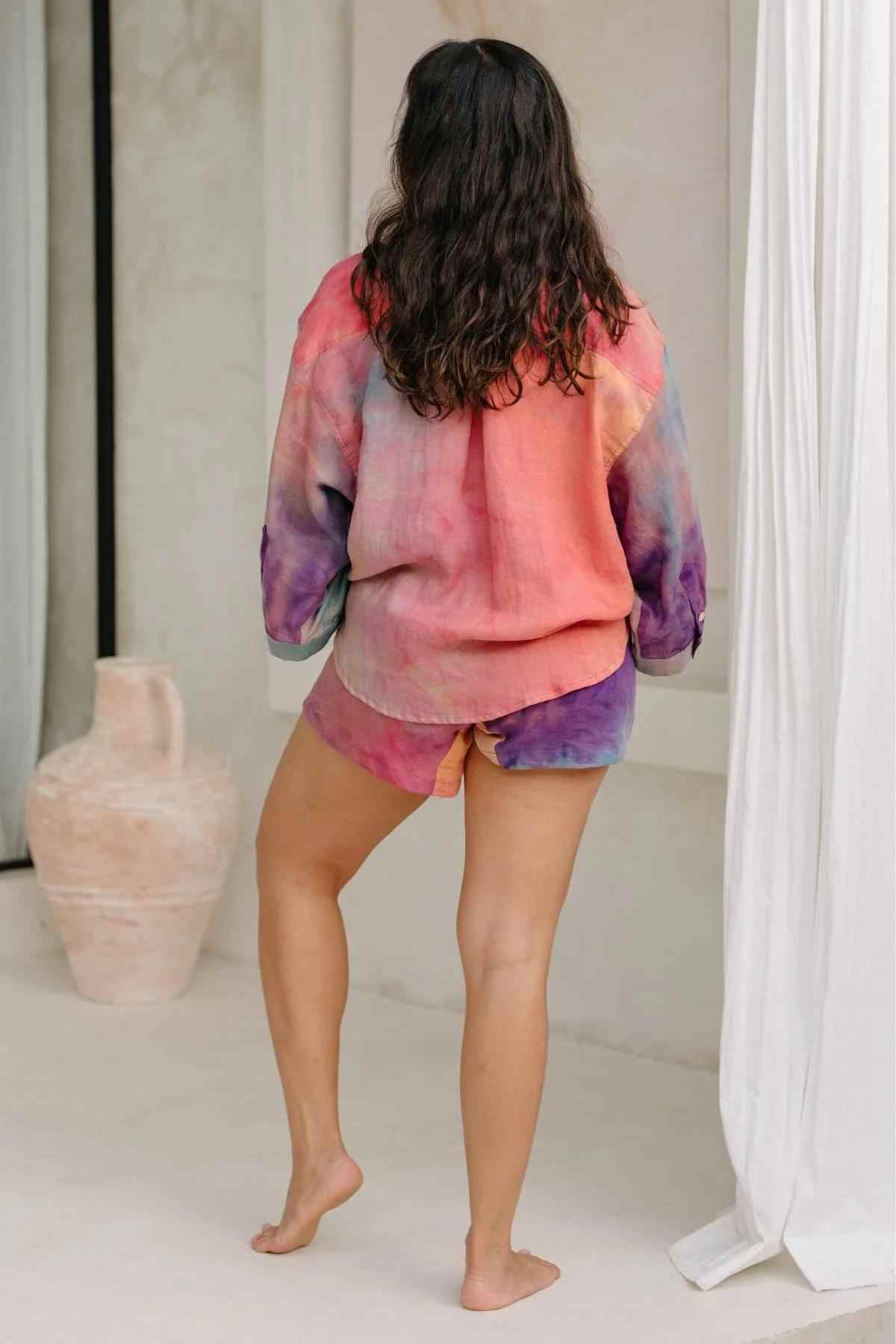
A Piece for This Threshold Rainbeau Linen Suka Set. Seven days of botanical dye, layer upon layer, using plants native to Bali. Every Rainbeau set moves through its own arrangement of purples, pinks, blues, and golds — no two identical, each one OEKO-TEX® certified 100% French linen. Conscious fashion, worn. |
|
The Muse-Letter Dress for the woman you're becoming. Every week from Bali. Astrology, slow living, sacred feminine, and the pieces we make by hand. A letter, not a sales pitch. Unsubscribe any time. No spam, ever. |



Dejar un comentario
Este sitio está protegido por hCaptcha y se aplican la Política de privacidad de hCaptcha y los Términos del servicio.